
The first post about my cousin Bob Cohn and his family discussed the lives of his grandparents—both Joseph and Rose (Kornfeld) Cohn, his paternal grandparents, and Minnie and Moses Kremenko, his maternal grandparents. It also discussed his parents, Harold and Teddi (Kremenko) Cohn and their untimely deaths, which left Bob and his brother Paul as orphans at a young age. Bob and Paul went to live with their aunt and uncle, Beatrice (Kremenko) and Sol Berman, after their mother’s death in 1945.
Despite these tragic losses, both Bob and Paul went on to enjoy successful careers and full family lives. Bob wrote:
Seven years later [in 1952] I joined the United States Air Force for four years and served in Texas, Alaska, and Montgomery [Alabama] editing base newspapers. When I was discharged from Maxwell Air Force Base in Montgomery I used the GI Bill to enroll at the University of Alabama where I met [my wife] June in 1959.
I asked Bob how he became interested in journalism, and he told me he was inspired by his role model and uncle, Barney Kremenko. Bob had told me that his Uncle Barney was a famous sportswriter, but I had no idea how famous until I read this entry about him at Baseball-Reference.com, one of the best resources for information about baseball.
Barney Kremenko was a sports writer with the New York Journal American; there, he covered Willie Mays’ first – and the Giants’ final – seven seasons and was, reputedly, the one responsible for Mays’ famous nickname, The Say-Hey Kid.
Upon joining the Journal some years before, Kremenko’s initial assignment had been Madison Square Garden, where he covered hockey, college hoops and track and field. In relatively short order, however, he would find his metier when chosen to succeed outgoing Giants’ beat writer, Pat Lynch.
When the Giants left New York in 1958, Kremenko led the campaign to restore National League baseball to New York. When that call was finally heeded in 1962, he was the logical choice to cover the fledgling Mets. Thus, the eulogy delivered many years later by UPI’s Carl Lundquist: “Barney was with the Giants, the Mets, and now he’s with the Angels.”
By 1966, however, the Journal was absorbed in a three-way merger. Kremenko continued with the short-lived World Journal Tribune, but when that paper went under in 1967, he went to work in a PR capacity for both the NHL’s New York Islanders and the NBA’s New Jersey Nets. At the time of his death in 1990, he was still listed as a communications consultant in the Islanders’ guide.
Throughout those final years, however, Kremenko maintained his membership in the Baseball Writers’ Association of America and continued to edit The Scorebook, the journal presented annually to those attending the BBWAA’s New York chapter dinner. As fate would have it, Kremenko’s death came exactly one day before 1990’s New York dinner.

Paul C. Barton, Barney Klemenko, and Bob Cohn
Photo courtesy of Bob Cohn
After reading this, it was no surprise to me that Bob was inspired to be a journalist. He was very close to his uncle, who often took him to sporting events as a child, and remained close to him as an adult. At the University of Alabama, Bob became the editor of the student newspaper and after graduating got a job at the Montgomery Adviser in Montgomery, Alabama, covering the civil rights movement during the 1960s. Bob wrote:
As a Jewish kid from Brooklyn, N.Y., I was improbably assigned to cover the Montgomery Police Department. I was such an underdog that two brothers who were officers “adopted” me and made certain I got all the breaks on news stories. Montgomery was the hotbed of racial violence and black protest. It was there that the Dr. Martin Luther King, Jr., lived and preached. It was in Montgomery that the “Freedom Riders” were beaten at the Greyhound Bus Station by the Ku Klux Klan while the police were deliberately absent from the scene. I was there reporting on the violence.
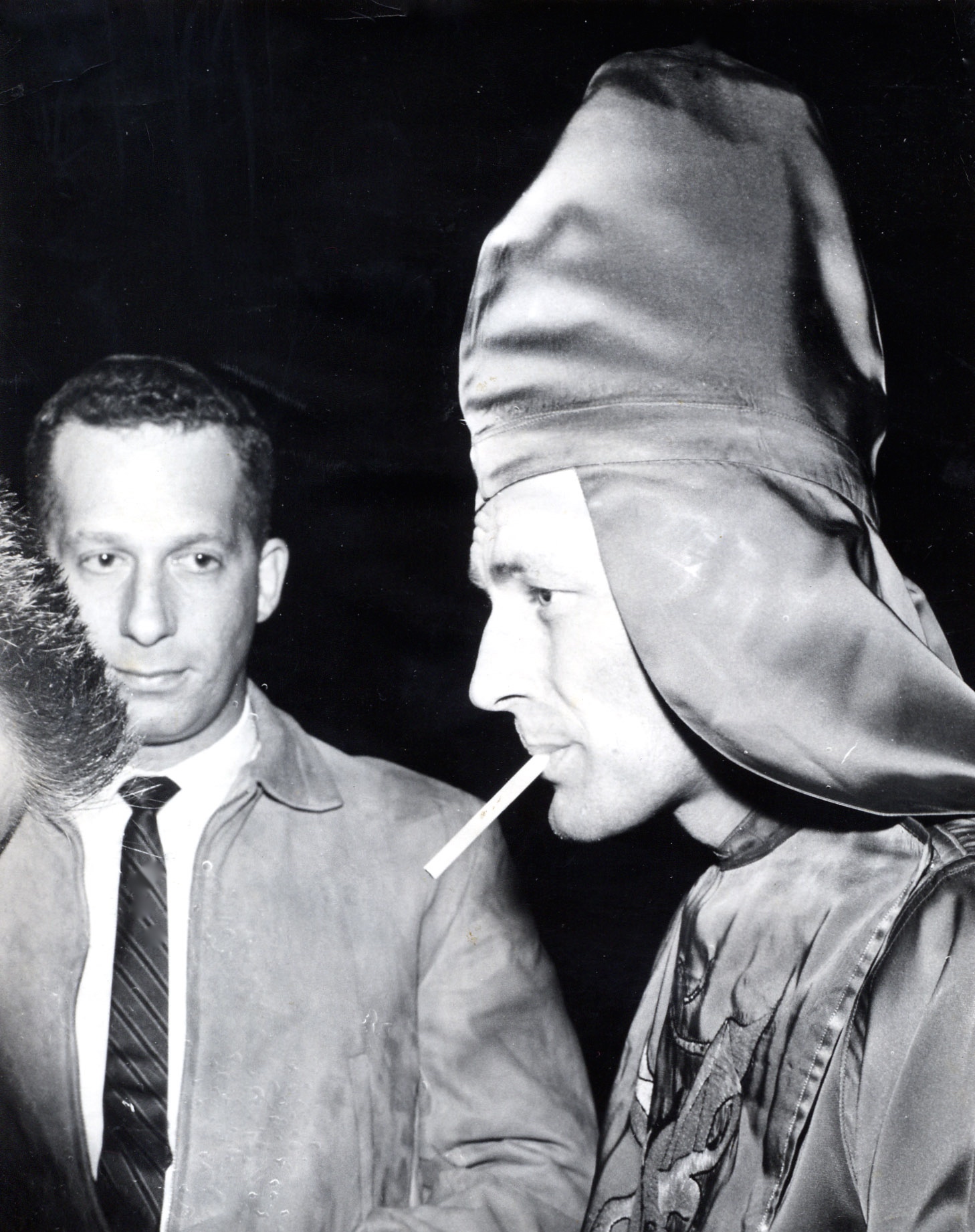
Bob Cohn and Bobby Shelton, Imperial Wizard of the KKK, Montgomery, Alabama
I would love to hear more about Bob’s experiences during that time.
Eventually, Bob became the bureau chief in Atlanta for Morris Publishing, which owned several daily newspapers in the region. His brother Paul had also settled in Atlanta after graduating from Emory University there. Paul had changed his name from Paul Barton Cohn to Paul C. Barton after the bombing of the Temple, a Reform synagogue, on October 12, 1958, by white supremacists angry with that synagogue for its support of the civil rights movement. Concerned about anti-Semitism, Paul decided to change his name to something less obviously Jewish.
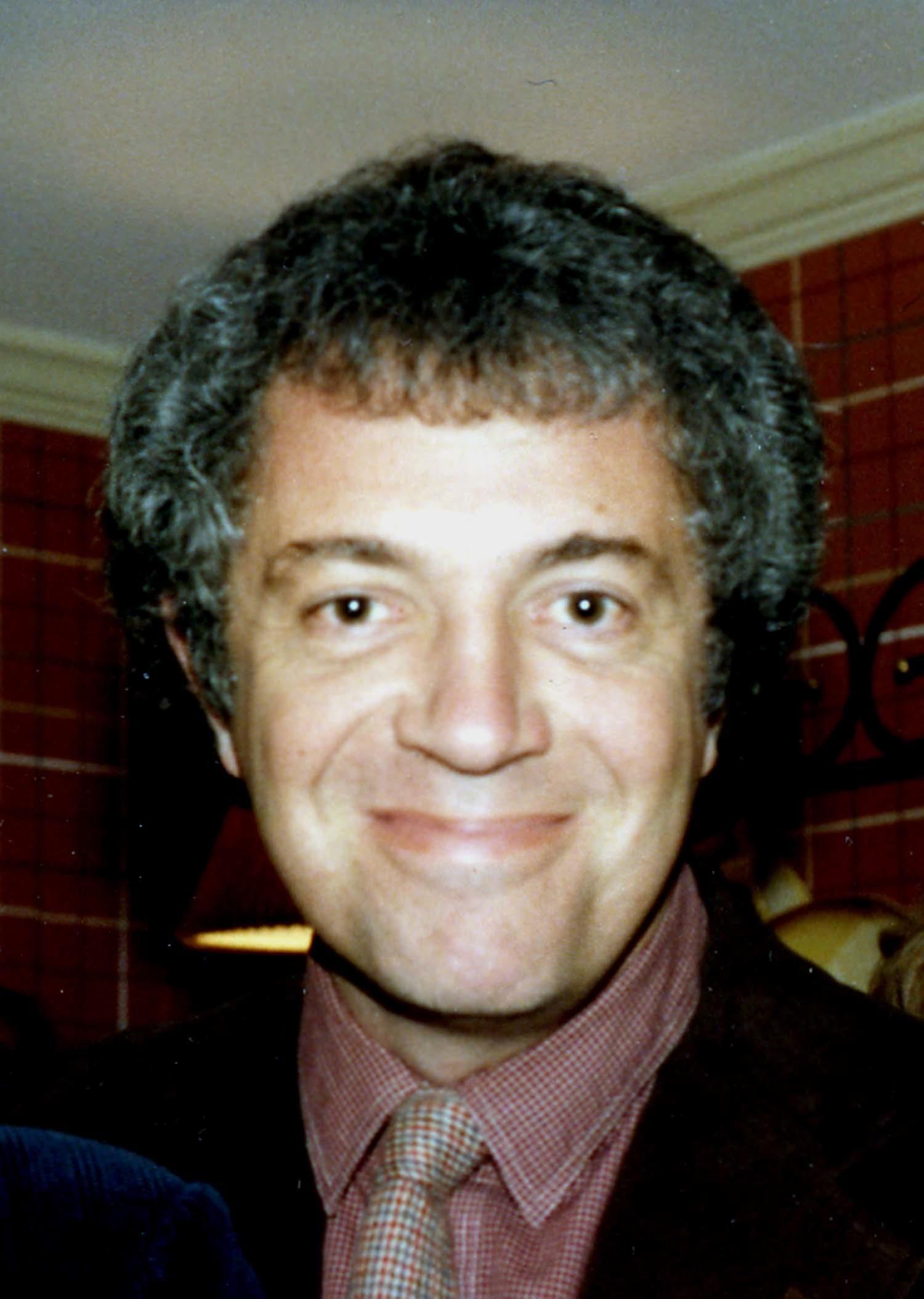
Bob’s brother Paul C. Barton Courtesy of Bob Cohn
Both Bob and Paul married women they met in college. Paul met his wife Joan Belger at Emory, and they had three children, Harris, Todd, and Jennifer.
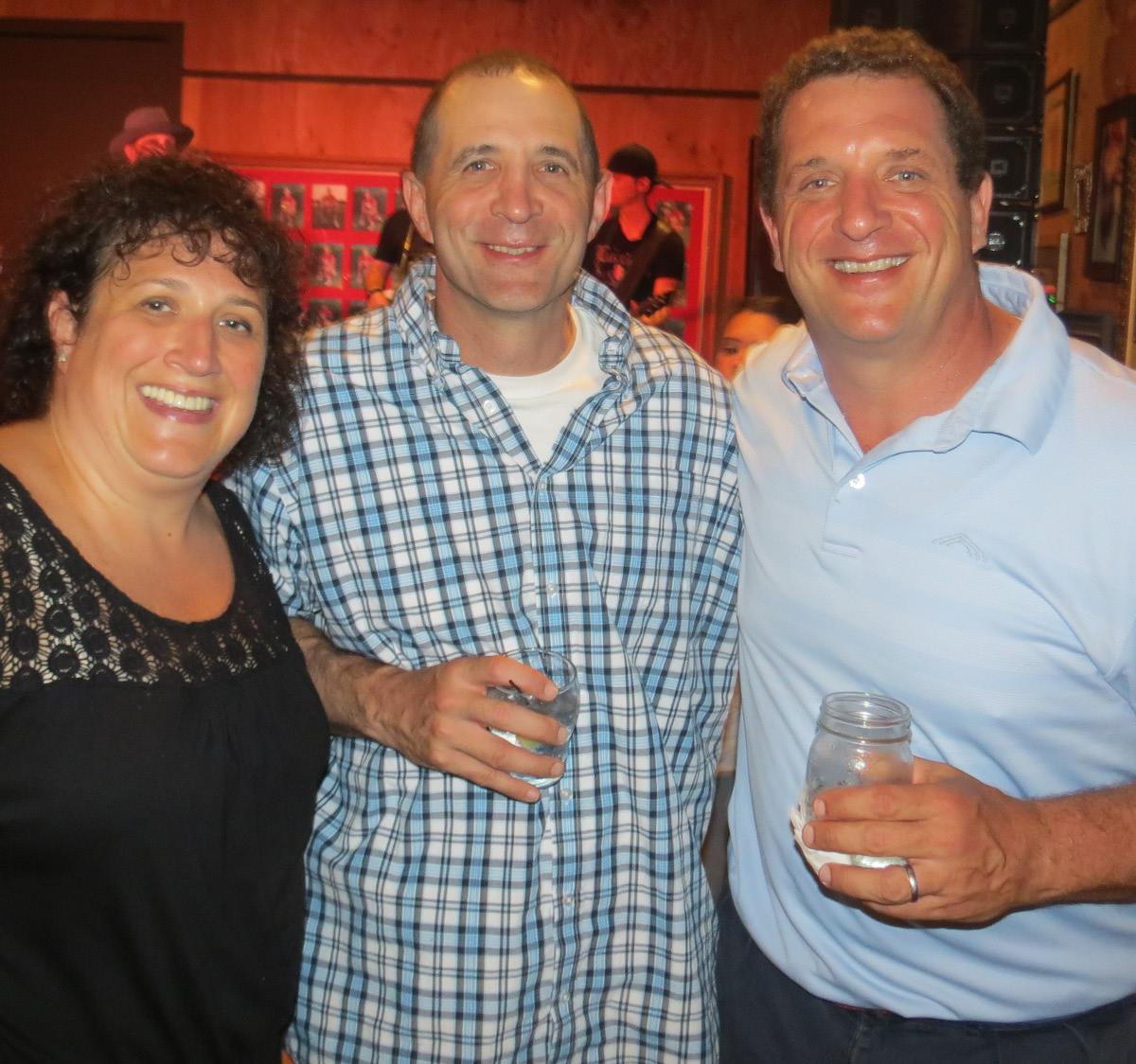
Jennifer, Todd and Harris Barton
Photo courtesy of Bob Cohn
Their son Harris Barton was a star player for the San Francisco 49ers, definitely the first cousin I’ve found who had a career as a professional athlete. Here is the entry from International Jewish Sports Hall of Fame website:
San Francisco 49ers offensive tackle Harris Barton was a Natiional Football League All-Pro selection four consecutive years: first team in 1991, 1992 and 1993, and 2nd team in 1990. He played in the 1993 Pro Bowl. Barton anchored the storied offensive line for superstar quarterbacks Joe Montana and Steve Young that provided the foundation for three 49er Super Bowl victories–1989, 1990, 1995. During his ten-year pro career, 1987-1996, Barton played 138 career NFL games, including 89 consecutive games. The 1986 University of North Carolina All-America was the 49er’s #1 draft choice in 1987. In his first season with the 49ers, Barton was named to the NFL’s All-Rookie team by the UPI, Pro Football Writers of America, and Pro Football Weekly.
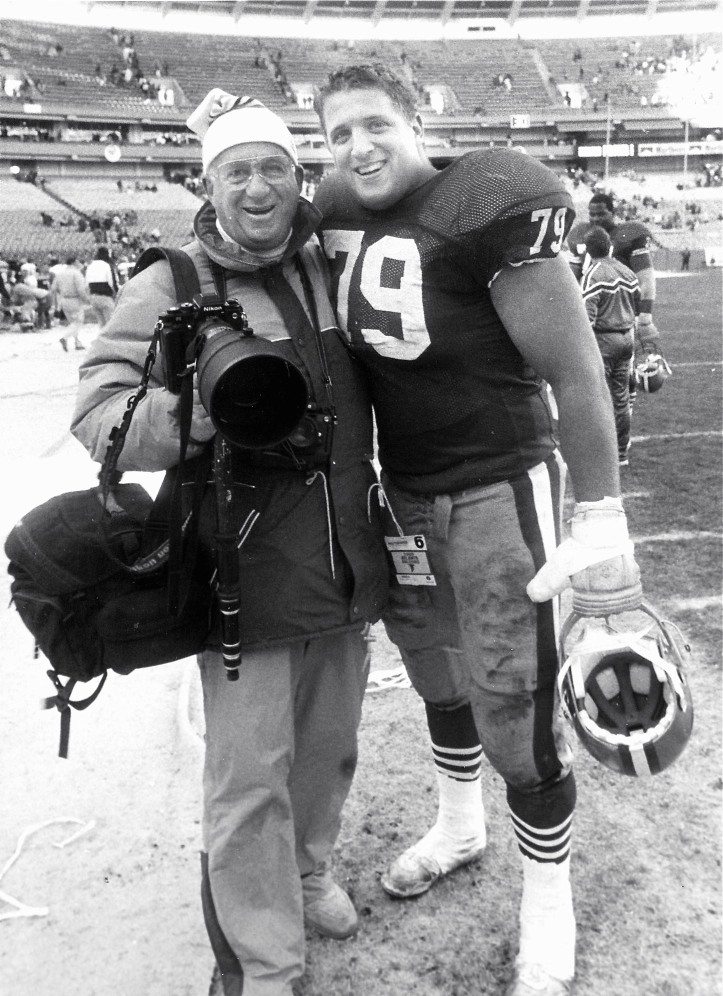
Bob Cohn and Harris Barton after the NFC Championship game in Chicago Photo courtesy of Bob Cohn
Wikipedia also has a detailed entry as does the Pro-Football Reference website. This article, from the Los Angeles Times and written in 1993 after Harris learned that his father was diagnosed with terminal brain cancer, reveals how important his father was to him. Titled “The Good Son : 49er Lineman Harris Barton Discovers What Really Matters Is His Father,” the article, dated December 7, 1993,and written by Bill Plaschke, describes how learning of his father’s illness affected Harris and his focus on football. Although Harris continued to play well, his priorities had shifted.
Barton also believes he is having a good year–as the right tackle, he has done well protecting left-handed Steve Young’s blind side. But suddenly, preventing sacks is not as important as making sure his father can live the rest of his life in peace and dignity.
“When it comes to my family, football is on the back burner,” Barton said. “If anything comes out of me talking about this, it is that people should appreciate their parents while they still have them. Appreciate them now.”
Paul C. Barton died on May 25, 1994, at the age of 56. Ten years later his wife Joan died from the same horrible disease, brain cancer. She was 62. They are survived today by their three children and seven grandchildren.
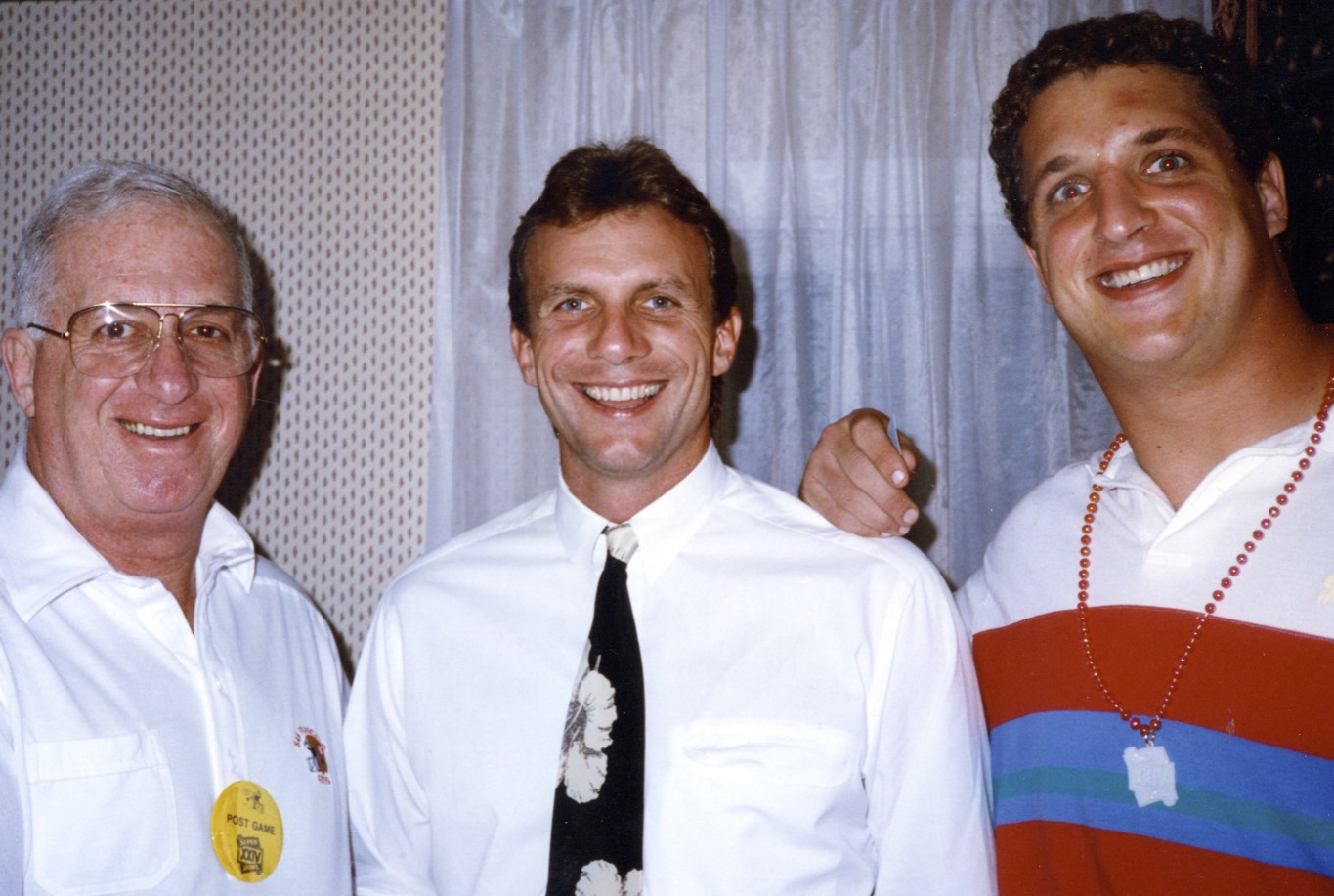
Bob Cohn with Joe Montana and Harris Barton
Photo courtesy of Bob Cohn

Bob and June’s wedding Photo courtesy of Bob Cohn

Bob and June Cohn in more recent days
Photo courtesy of Bob Cohn
They had three children. As Bob described it:
Our first child, Terri Paula, was born [in 1961] in Montgomery and delivered by Dr. Robert Lightfoot whom I had met at a train wreck. I was officially introduced to fatherhood when I held Terri in my lap and she peed on me. … Susan was born in Augusta and Greg in Atlanta. June noticed that every time we moved we had another child so she didn’t want to move again.
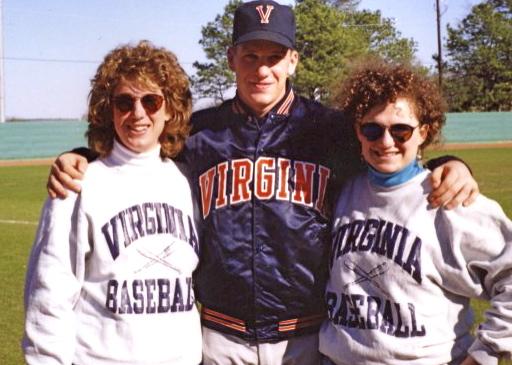
Terri, Greg, and Susan Cohn Photo courtesy of Bob Cohn
With three children to raise and a need to earn more money, Bob left journalism in 1970 and founded his own public relations firm, which later became a partnership named Cohn & Wolfe. It must have been difficult to leave his chosen field, especially after winning fourteen awards from the Associated Press and United Press. But Bob’s decision proved to be a wise one as he had incredible success with his new business. The firm was sold to Young & Rubicam in 1998 and now has 71 offices all over the world and still uses its original name despite the fame and reputation of its parent company.
Bob and June’s children were highly successful students and athletes, as are his grandchildren. He wrote:
Both of my daughters were captains of their tennis teams at Lakeside High School. Terri was a finalist in the state tennis tournament. My son Greg, a pitcher, went to the University of Virginia on a baseball scholarship. During his runup to that he played on teams that won so many championships… I can’t remember how many. His three children—Grace (high school volleyball), Samantha (soccer, basketball, volleyball and fast pitch softball) and Owen (football, basketball, an all-star baseball player and now playing lacrosse for the first time. Samantha’s team finished third this summer for the soccer national championships in Tulsa, OK. She and her team travel all over the country—San Fran, San Diego, Chicago, New York, Florida, etc. since she was 9 years old. Teams from Jacksonville and Orlando are in town this coming weekend to play Sam’s Tophat team, No. 1 in the state of Georgia. Samantha was tapped by the Olympic Development Program in soccer and is one of 60 girls in the South so honored, including Texas and Oklahoma.
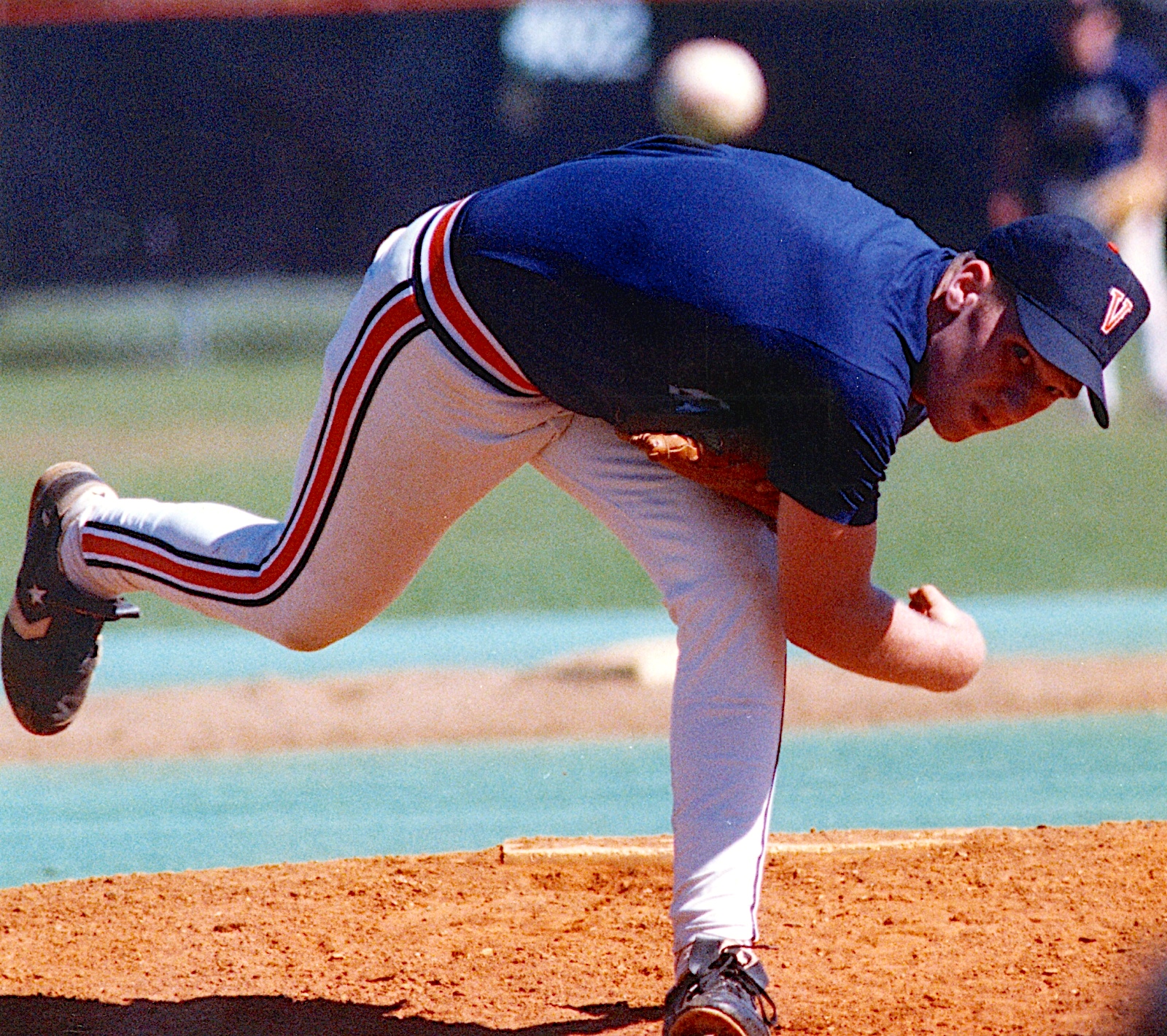
Greg pitching for UVa

Terri and her husband David skiing
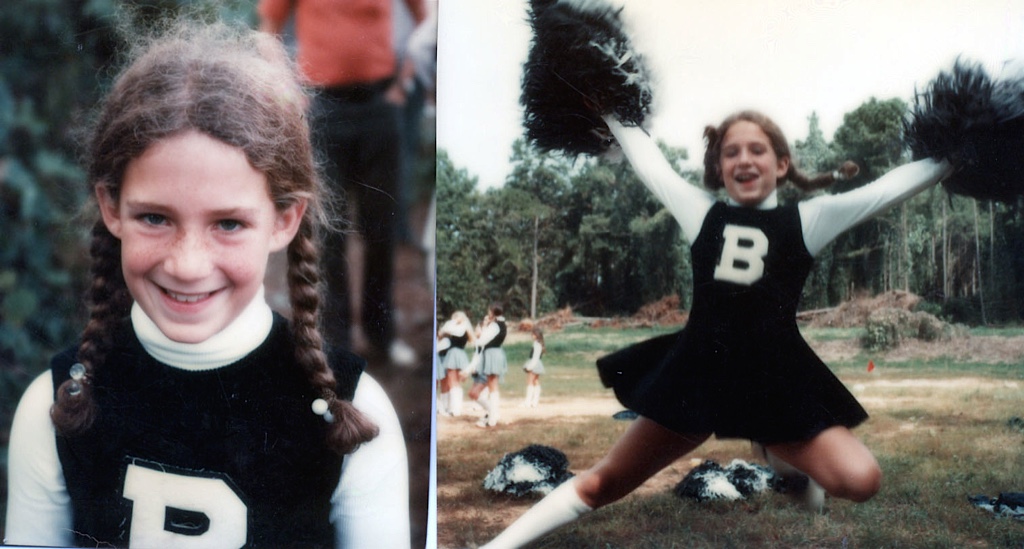
Susan cheerleading
The photos below are of Bob and June’s grandchildren engaged in various athletic endeavors.
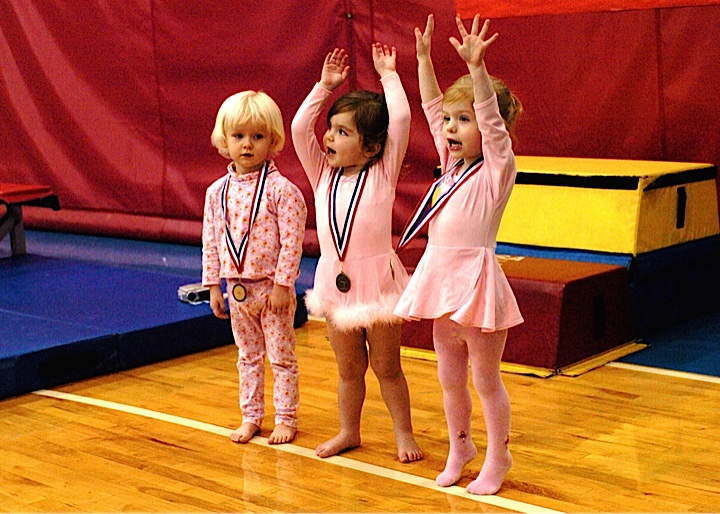




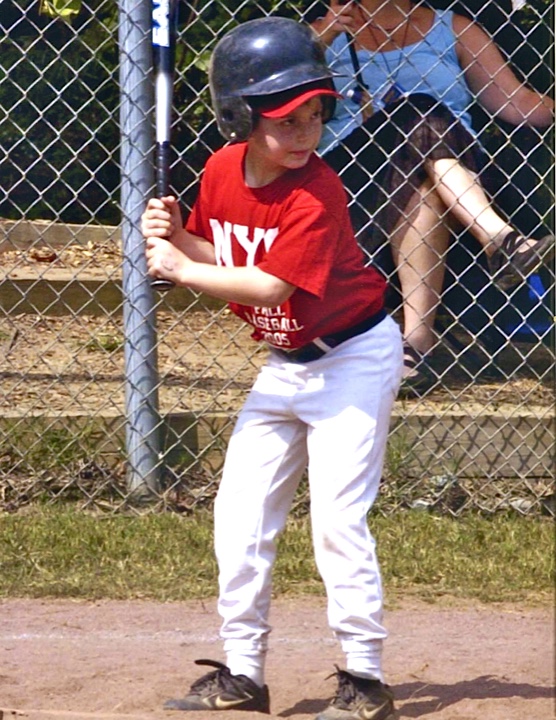
Tragically, Bob and June’s daughter Susan died at age 46 on May 11, 2011. She is survived by her husband Robert and their two sons, who continue to live in Atlanta. Bob and June also continue to live in Atlanta as do their two surviving children, Terri and Greg, their spouses, and their five grandchildren.
Despite losing his parents at such a young age and then losing his brother prematurely and his daughter as well, Bob is a man of incredibly positive energy. Listening to him talk about his family, his marriage, his children,and his nieces and nephews and all of his grandchildren, you can only hear a man who is filled with love and gratitude for what he has and no bitterness about what he lost.
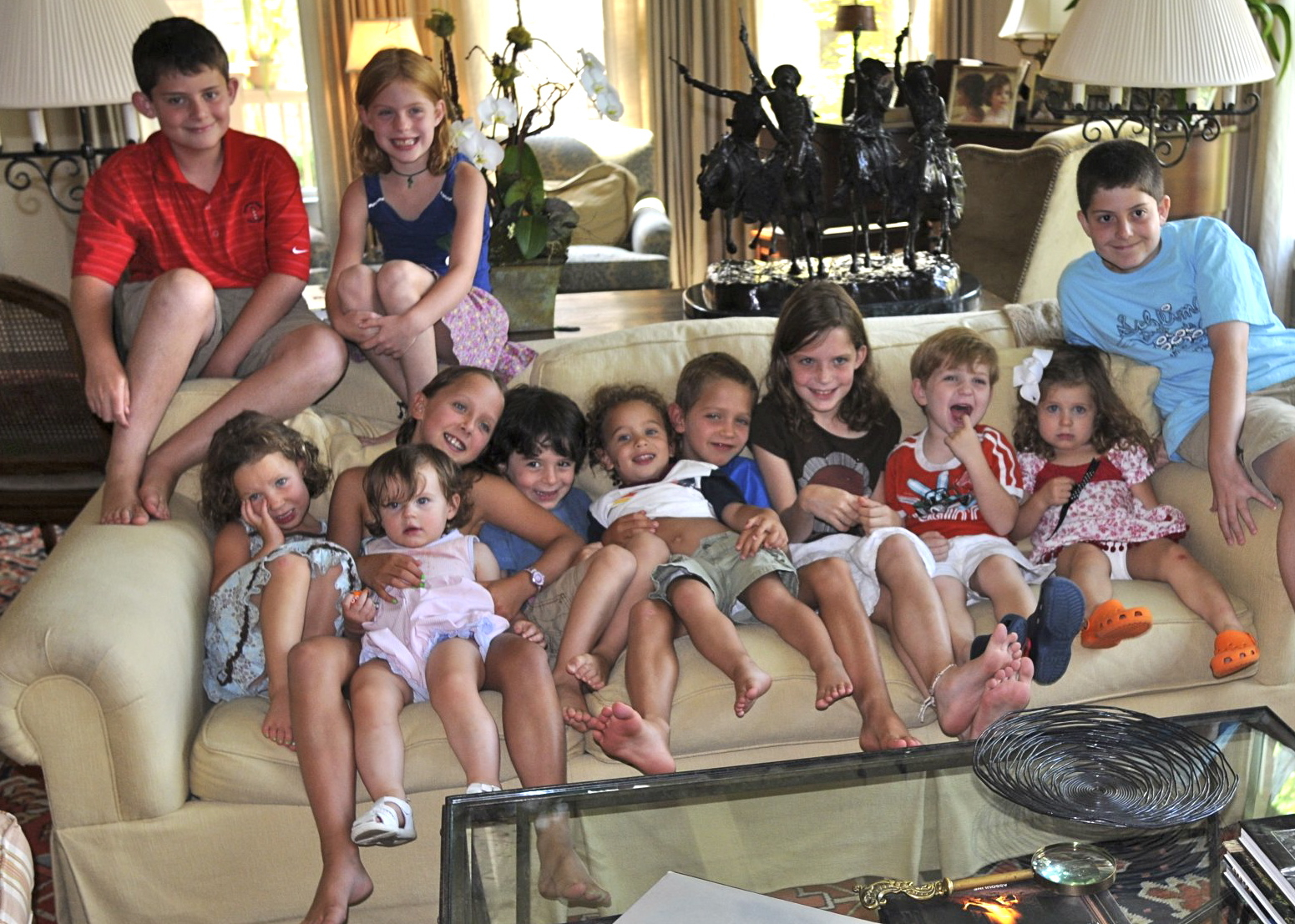
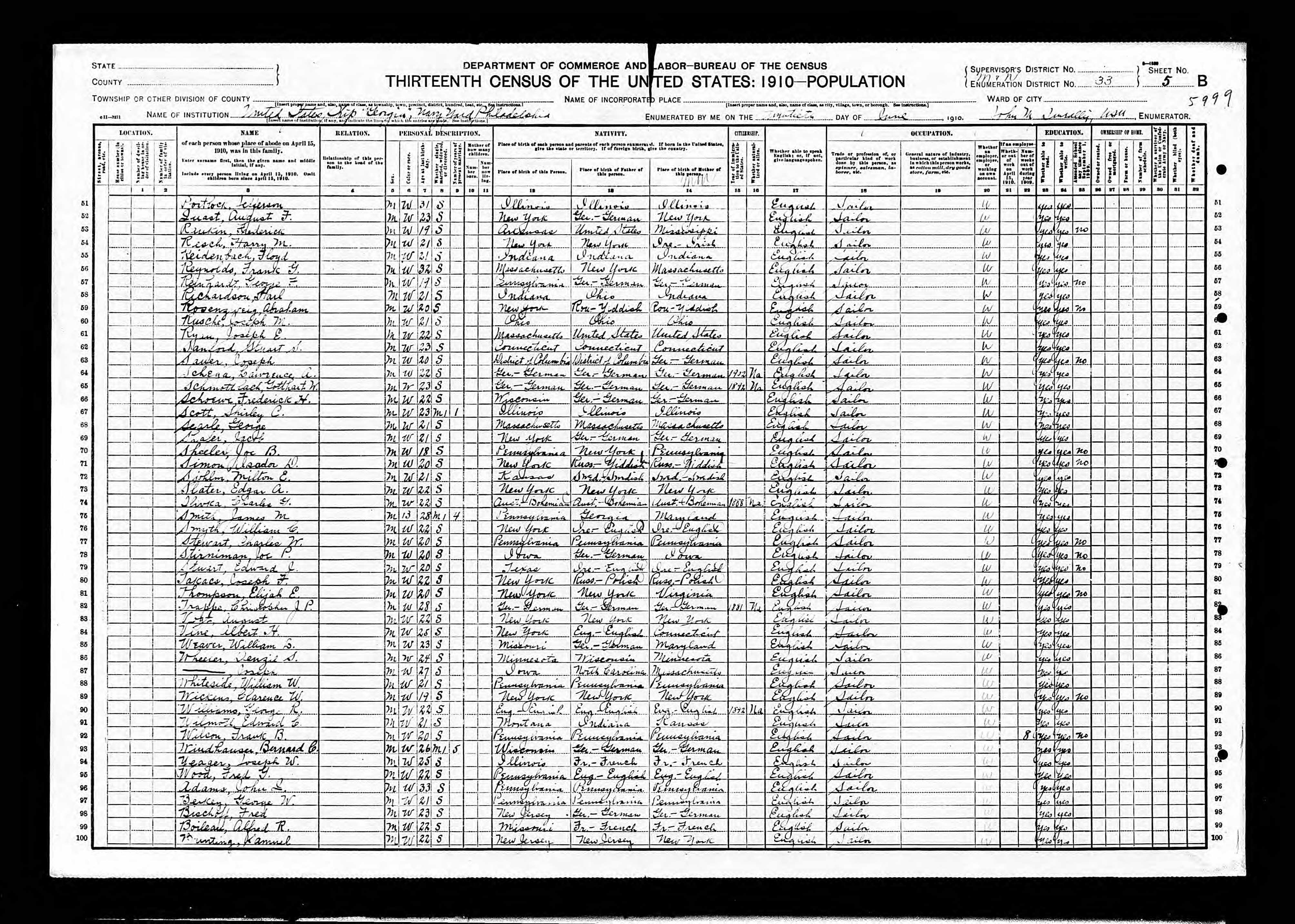
I will close this post with some photographs of the next generations in the line going backwards from Harold Cohn and Teddi Kremenko to Joseph Cohn and Rose Kornfeld to Mary Seligman and Oscar Kornfeld to Marx Seligmann and Sarah Koppel to Jacob Seligmann and Martha Mayer, my 4x great-grandparents from Gaulsheim, Germany.

Photos courtesy of Bob Cohn






 Brotmanblog: A Family Journey