Polski: Tarnobrzeg, Panorama nocna osiedla Serbinow (Photo credit: Wikipedia)
It’s time to take stock and figure out where I am and where I have been and, of course, where I am going next. I have “finished” my research on the Dreyfuss and Nusbaum families, and when I say “finished,” I know that as with all my family lines, I am never finished. I always have more to do—whether it is trying to go back further in time or trying to connect with descendants. There are a number of unanswered questions, as there always are and always will be. I will write up something to bring some closure to what I know about these two family lines within the next several days. But for today, I just want to think about where I am more generally.
I have now done many of my father’s paternal lines. Starting with the Cohens, I’ve also covered the Seligmans, the Schoenfelds, the Nusbaums, and the Dreyfusses (Dreyfi?), and, of course, all the other names that came with later generations: Sluizer, Weil, Selinger, Bacharach, Wiler, Simon, Meyers, Dinkelspiel, Hano, and so on. I’ve also missed a few lines. I haven’t yet focused on the line that starts with Hart Levy Cohen’s wife, Rachel Jacobs, or with Jacob Cohen’s wife, Sara Jacobs. I haven’t looked at all at the line that begins with Voegele Welsch, wife of Amson Nusbaum. And I am sure there are other maternal lines I need to explore. Of course, those are often the hardest because the names have disappeared from the family, and each of those ancestors dates back close to 200 years ago. But eventually I will get there.
And next I will explore my father’s maternal lines, the Schoenthals and Katzensteins: more German Jews who came to Pennsylvania in the 1840s or so. Who knows what stories, what adventures, what heartbreaks I will discover along the way.
But before I turn to the Schoenthal and Katzenstein families, I have several other questions to research and address. The Seligmann family tree continues to grow both backwards in time and horizontally, thanks to my cousin Wolfgang and all the research he has done. Their stories continue to fascinate and also horrify me. I am also in touch with the daughter of Fred and Ilse Michel, and she has shared stories and photographs with me.
There are also lingering questions regarding the Goldschlagers, now that I’ve found two other families with that name and roots in Romania. We are hoping to hire a Romanian researcher to help us learn more.
And finally, there are those ever elusive Brotmans. Although I am not putting any more hope (or much time) into using DNA as a tool to find my Brotman ancestors, I still have hope that something will turn up. Just this past week someone contacted me, asking about Chaye Fortgang, Joseph Brotman’s first wife and the mother of the first four Brotman children, Abraham, Sophie, David, and Max. He has Fortgang family from Grebow, a town less than ten miles from Tarnobrzeg and also the town that David and Abraham Brotman gave as their home on the ship manifest when immigrating to the US. Perhaps by researching the Fortgang family, I will also learn about Joseph Brotman and his family. In addition, I am focused on the Brotmanville Brotmans, hoping that that line will lead to more answers.
English: Gmina Grębów COA Polski: Herb gminy Grębów (Photo credit: Wikipedia)
In addition, I will be visiting Tarnobrzeg in person in just about a month. We will be hiring a guide who also does genealogy research, and we will be joined by my newly-found cousin Phyllis, the niece of Frieda, the woman who matched my mother as a close cousin through DNA testing. Phyllis and I have chosen to believe that our grandmothers were in fact first cousins, and we are hoping to find some evidence to corroborate it. So although I am not writing about it on the blog, much of my time right now is spent researching for this trip. Once I am there, I will share my experiences on the blog, so stay tuned.
Photograph of Tarnobrzeg Main Square. (Photo credit: Wikipedia)
I have finally reached the last twig on the last branch of the Nusbaum family tree. This final chapter concerns Fanny Nusbaum, who married Jacob L. Hano. Fanny was the daughter of Ernst Nusbaum and Clarissa Arnold, the granddaughter of Amson Nusbaum and Voegele Welsch, my four-times great-grandparents.
You might recall that my family tree is doubly connected to the Hano family tree. First, I learned that Jacob Weil had married Flora Cohen, the daughter of Louise Lydia Hano and Samuel Cohen. Jacob was the son of Rachel Cohen Weil, my great-grandfather’s sister. (Samuel Cohen was not related to Rachel Cohen or any of my Cohens, however.)
Jacob Hano and Fanny Nusbaum had married on February 28, 1877, and had moved to Youngstown, Ohio, where their first two children, Louis and Ernest, were born. They had returned to Philadelphia by 1884, when their third son Samuel was born. Samuel died just fourteen days later on August 21, 1884, from inflammation of his kidneys. He died in Atlantic City, and was buried at Mt. Sinai cemetery in Philadelphia.
“Pennsylvania, Philadelphia City Death Certificates, 1803-1915,” index and images, FamilySearch (https://familysearch.org/ark:/61903/1:1:J6S5-2N5 : accessed 14 April 2015), Samuel Hano, 21 Aug 1884; citing , Philadelphia City Archives and Historical Society of Pennsylvania, Philadelphia; FHL microfilm 2,069,818
“Pennsylvania, Philadelphia City Death Certificates, 1803-1915,” index and images, FamilySearch (https://familysearch.org/ark:/61903/1:1:J6S5-2N5 : accessed 14 April 2015), Samuel Hano, 21 Aug 1884; citing , Philadelphia City Archives and Historical Society of Pennsylvania, Philadelphia; FHL microfilm 2,069,818
A fourth son, Myer Arnold, was born in Boston in 1885, so the family must have relocated again after Samuel’s death. And then by 1890 the family had moved to New York City, where they would have two more sons, Alfred (1890) and Clarence (1891). Their second oldest son Ernest served in the US Army in the Spanish American War in 1898; according to his nephew Arnold, Ernest was gassed while serving in the war and as a result suffered heart damage that affected him for the remainder of his life.
Indexes to the Carded Records of Soldiers Who Served in Volunteer Organizations During the Spanish-American War, compiled 1899 – 1927, documenting the period 1898 – 1903
Jacob Hano had been in the printing business on his own, but in 1892 he joined with his younger brother Philip in the printing business instead of competing with him, as discussed in the ad below.
The American Stationer, Volume 31 p. 93
I love the comment here that this reduction in competition would not result in rising prices, just better service.
As of 1900 the Hano family was living at 205 West 134th Street in Manhattan. Louis, now 22, was working as a salesman, and the other four sons were at home. Unfortunately, the family was to lose another son early in the 20th century. On April 10, 1902, Myer Arnold Hano died at age seventeen from typhoid fever. This was the second son that Jacob and Fanny lost far too early.
In 1905, the family was still living at the same address on West 134th Street, and now Ernest (25) was also working as a salesman. Alfred (15) and Clarence (13) were still in school. Jacob was in the “manifold business,” as stated in the advertisement above. From what I can gather, a manifold book is a type of form book used by businesses.
Source Citation New York State Archives; Albany, New York; State Population Census Schedules, 1905; Election District: A.D. 23 E.D. 13; City: Manhattan; County: New York; Page: 44
Louis, the oldest son, was not listed with the family on the 1905 census, nor can I find him elsewhere. However, by 1910, he was back living in the household with his parents and brothers. The family was now living at 344 St. Nicholas Avenue, and both Jacob and his son Louis were in the business of manufacturing “cravats.” Clarence was a salesman for the company, and Alfred was not employed. Alfred must have been in school because by 1910, he was employed as a lawyer.
Year: 1910; Census Place: Manhattan Ward 12, New York, New York; Roll: T624_1022; Page: 10B; Enumeration District: 0560; FHL microfilm: 1375035
Ernest, the second oldest son, was not living with his family in 1910, but was living as a lodger in the household of Madeleine McGlone at 325 West 141st Street. There were two other lodgers living there as well. Ernest was a neckwear salesman, presumably those made by his father since his father and brothers were manufacturing and selling cravats. Madeleine McGlone, his landlady, was listed as married for 14 years, but there was no husband in the household. A little research revealed that Madeleine was born Madeleine Constance Barnard in Ontario, Canada, and had married George A. McGlone in 1896; however, in 1910, George McGlone was living in the Bronx and listing himself as a widower, so it would seem that the marriage between Madeleine and George had ended. At any rate, I mention this because, as we will see, Madeleine would end up being much more than Ernest’s landlady, and perhaps already was by 1910.
Year: 1910; Census Place: Manhattan Ward 12, New York, New York; Roll: T624_1027; Page: 11A; Enumeration District: 0706; FHL microfilm: 1375040
In 1915, Jacob and Fanny still had three of their sons at home, Louis, Alfred, and Clarence, and the family had relocated to Queens. Jacob, Louis (37), and Clarence (23) listed their occupations as salesmen, and Alfred (25) was a lawyer. Ernest, meanwhile, had moved to the Bronx, where he was still listed as a boarder living in Madeleine McGlone’s household along with her mother. Ernest, now 36, listed his occupation as a collector (bills? Stamps? Coins?).
The next five years brought lots of changes, in particular, the year 1917. On June 3, 1917, Clarence, the youngest of the brothers, became the first to marry. He married Mathilda Kutes, the daughter of a Russian immigrant and an Austrian immigrant. Mathilda was born in New York in April 1897, and although she was living with her parents in 1900 in New York, by 1910 when she was not yet 13 years old, she was living as a “relative” in a household of people named Hertz of Hungarian background. I cannot seem to locate Mathilda’s parents or her siblings on the 1910 census.
Just four and a half months after Clarence married, Alfred Hano married Clara Millhauser on October 25, 1917. Clara was the daughter of Isaac Millhauser, a police officer, and Bertha Silverberg, and was a native New Yorker. According to the 1915 New York census, Clara had been working as a typist before she married Alfred.
Unfortunately, 1917 ended on an unhappy note. Fanny Nusbaum Hano, my first cousin four times removed, died on December 25, 1917, from cancer. She was 61 years old. She was the second of the Nusbaum children to predecease her mother Clarissa.
The World War I draft registrations for the Hano sons give more information about where they were in 1917-1918. Louis, now 40 years old, was living with his father Jacob in Manhattan. He was a salesman for Anathan & Co. Ernest, now 38, was living in Brooklyn, and was self-employed as a kennel owner. Both Louis and Ernest were single. Alfred was a lawyer, living in Manhattan with his wife Clara. He claimed an exemption from service based on “dependents—physical disability.” He also indicated that he had previously served as a private in the infantry for a month. It appears that instead Alfred served in the NY Guard. Finally, Clarence was living in Manhattan with Matilda and was employed as a salesman for Berg Brothers.
Registration State: New York; Registration County: New York; Roll: 1786680; Draft Board: 145
Registration State: New York; Roll: 1754135; Draft Board: 23
Registration State: New York; Registration County: New York; Roll: 1786806; Draft Board: 147
New York State Archives; Albany, New York; Collection: New York, New York Guard Service Cards and Enlistment Records, 1906-1918, 1940-1948; Series: B2000; Film Number: 10
Registration State: New York; Registration County: New York; Roll: 1786806; Draft Board: 147
Both Alfred and Clarence had sons born in 1918, named Alfred and Richard, respectively.
In 1920, Jacob, now a widower and working again as a printer, was living with Clarence, Matilda, and their son Richard in Hempstead, Long Island. Clarence was a dry goods buyer. Louis was living alone at 168 West 74th Street and working as a ladies’ neckwear salesman. Alfred and his wife and son were living on Edgecomb Avenue in Manhattan, and Alfred was working as a lawyer. Ernest was continuing to live with Madeleine McGlone. Ernest was listed as Madeleine’s “cousin” on the census. Hmmm… Madeleine and Ernest both described their occupations as dog breeders. From my cousin Arnold, I now know that they were very successful breeders of Boston terriers.
Year: 1920; Census Place: Bronx Assembly District 8, Bronx, New York; Roll: T625_1143; Page: 2A; Enumeration District: 462; Image: 438
In the next two years, both Alfred and Clarence again had sons, named Arnold and Edwin, respectively. That made four grandsons after six sons for Jacob and Fanny Hano.
Jacob Hano died on September 5, 1922. He was 72 years old and died from kidney and heart disease.
In 1925, Louis was living alone on West 73rd Street, working as a salesman. Ernest was living on Pelham Parkway in the Bronx with Madeleine McGlone, now listed as her “partner” in the dog breeding business. Alfred was also living in the Bronx on Montgomery Avenue with his wife and two sons, and he was still practicing law. Clarence was living in Inwood on Long Island with his wife and two sons, and he was still a salesman.
New York State Archives; Albany, New York; State Population Census Schedules, 1925; Election District: 32; Assembly District: 06; City: New York; County: Bronx; Page: 14
Ernest finally married his former “landlady/cousin/partner” on December 28, 1927. He was 47, and she was 51, and they had been living with each other since at least 1910. Things did not change much for the other brothers between 1925 and 1930. According to the 1930 census, Louis was still living alone in Manhattan, now on West 86th Street, and selling sportswear. Alfred was still living in the Bronx, but had changed occupations; he was now in the printing business as his father Jacob had once been. According to his son Arnold, Alfred joined his uncle Philip Hano’s printing business after he closed his law practice. Clarence was still living on Long Island, now a sales manager for a millinery business.
Sometime between 1930 and 1940, Louis Hano married a woman named Blanche, who had a son named Lewis. Blanche is listed as his wife on the 1940 census, and Lewis, 22 years old, is listed as his son. Since Louis was single in 1920 and 1930, I was fairly certain that Lewis was not his biological child. After much research, I concluded that Blanche had previously been married to Maurice Tobias and that Lewis was his biological child. After Blanche married Louis, Lewis Bertram Tobias became Lewis Bertram Hano. Whether or not he was legally adopted I cannot determine. I am in touch with a descendant of Lewis, and we are trying to learn more. At any rate, Louis F. Hano (note the different spelling of Louis and Lewis) became a husband and father for the first time some time in his fifties. Louis was a salesman for a knit goods business, and Lewis was engaged in purchasing for a specialty shop. They were living in Queens.
Year: 1940; Census Place: New York, Queens, New York; Roll: T627_2729; Page: 62B; Enumeration District: 41-449
While Louis had moved out of Manhattan by 1940, two of his brothers had moved back to Manhattan. Alfred Hano was living at 41 West 83rd Street with his wife and sons in 1940, and he was working as a salesman for an industrial company, according to the census. His son Alfred, now 21, was working as a salesman for a tonsorial equipment company, i.e., barbershop supplies.
Occupations of Alfred Hano and his son Alfred on the 1940 census Year: 1940; Census Place: New York, New York, New York; Roll: T627_2642; Page: 17A; Enumeration District: 31-801
Clarence Hano also moved back to Manhattan by 1940. He and his family were living at 465 West 65th Street. Clarence was still selling millinery; his wife Mathilda was working as a manager for a publishing company. Their sons Richard and Edwin were both working as stock clerks, one for a thread company and the other for a button company.
I cannot locate Ernest and his wife Madeleine on the 1940 census, but he and Madeleine are listed in the 1938 directory for Claremont, New Hampshire, described as “retired” and living at “Blink Cottage” on Lake Avenue. There is an identical listing in the 1942 Claremont directory, so I assume that that is where they were in 1940 as well. On the other hand, Ernest’s 1942 draft registration lists his residence as 1422 Pelham Parkway in the Bronx, so perhaps they had both a city home and a country home during this period. The draft registration confirmed that he was retired and married to Madeleine Hano.
The National Archives at St. Louis; St. Louis, Missouri; State Headquarters: New York
Louis’ World War II draft registration showed him living with Blanche in Elmhurst, Queens, and employed by the Elgin Knit Sportswear Company. He was now 64 years old. His adopted son Lewis Bertram Hano married Marion Fitz on September 20, 1942, and Lewis served in the US Navy for much of World War II.
The National Archives at St. Louis; St. Louis, Missouri; State Headquarters: New York
According to his World War II draft registration, Clarence Hano was living at 25 West 68th Street and employed by the American Straw Goods Company. He was 50 years old. His son Richard enlisted in the US Army on May 14, 1941, before the US had entered World War II. Edwin Hano also served in the US Army during the war.
The National Archives at St. Louis; St. Louis, Missouri; State Headquarters: New York
Alfred Hano was living at 41 West 83rd Street at the time of his draft registration in 1942. He was employed by the United Autographic Register Company at that time. He was 52 years old. Both of his sons also served in World War II. His younger son Arnold enlisted in the US Army on October 16, 1942, and served in the Pacific Theater during the war.
The National Archives at St. Louis; St. Louis, Missouri; State Headquarters: New York
Alfred’s older son, Alfred, had enlisted six months before his younger brother on April 10, 1942. He served in the Army Air Corps in Europe. Tragically, Alfred was killed when his plane was shot down over Germany in March, 1944. He was only 25 years old.
Publication Title: Missing Air Crew Reports (MACRs) of the U.S. Army Air Forces, 1942-1947 Publisher: NARA National Archives Catalog ID: 305256 National Archives Catalog Title: Missing Air Crew Reports (MACRs), compiled 1942 – 1947
The 1940s must have been very painful, heart-breaking years for the extended Hano family. Not only did they lose Alfred in the war and see four other young men put their lives on the line, they also lost two of the Hano brothers within just months of each other. On August 8, 1847, Ernest Nusbaum Hano died in Sunapee, New Hampshire; he was 67 years old. His wife Madeleine survived him by sixteen years, dying March 6, 1963, in Greenwich, Connecticut, where she had relocated after Ernest’s death. Then on November 30, 1947, Louis F. Hano died in Queens; he was seventy years old. His wife Blanche lived until April 2, 1965.
As for the other two brothers, Clarence died in April, 1960. He was 69 years old. His wife Mathilda died in 1976 when she was 79 years old. Both of their sons died before they were sixty years old, Edwin in 1970 and Richard in 1977.
Alfred Hano was the last surviving Hano brother. His wife Clara had died in 1953, and Alfred lived until May, 1967. He was 76 when he died. He was survived by his son Arnold, who is a very well-known and well-regarded sportswriter. His book about one game of the 1954 World Series,A Day in the Bleachers, is considered a baseball classic and innovative in the way he described in detail the play by play of the entire game. It was in that game that Willie Mays made his historic catch, captured in this video:
He has also written a number of biographies as well as a number of novels. I recently had the great pleasure of speaking with Arnold, who is now 93 years old. It was an absolutely delightful conversation in which we discussed everything from the Bronx, baseball, war, children, careers, and family. I have already added his books to my reading list for the summer. There is a documentary currently being made about my cousin Arnold, and although Arnold himself questions why anyone would be interested in his life, I know that I will be very excited to see this film when it is completed.
And so that brings me to the end of the story of not only the Hano family, and not only to the end of story of the descendants of Ernst Nusbaum, but to the end of the story of all the children and grandchildren of Amson Nusbaum and Voegele Welsch,[1] my four-times great-grandparents from Schopfloch, Germany.
[1] Voegele was most likely the person for whom all those girls named Fanny, Flora, Florence, and Frances were named for in the Nusbaum/Dreyfuss/Dinkelspiel family. I still need to find out more about the Welsch line of my family.
In 1900 Edgar Nusbaum, the fourth child of Ernst Nusbaum and Clarissa Arnold, was living with his wife Viola Barritt, their daughter Celina[1], Viola’s sister, and a boarder at 1520 North 12th Street in Philadelphia. Edgar was working as a clerk, and Celina was a dressmaker. Celina was nineteen years old.
On November 30, 1904, Celina married Hamilton Hall Treager Glessner in New York City. He was the son of Oliver Glessner and Anna Leidigh of Philadelphia. His father was a printer. In 1900, Hamilton was nineteen and still in school. On the 1910 census, Hamilton’s occupation was reported to be an electrical engineer. On March 10, 1906, Celina and Hamilton had a daughter, Marian La Rue Glessner.
Unfortunately, the marriage did not last. By 1910, Celina and her daughter Marian were living with Celina’s parents, Edgar and Viola, at 707 Electric Avenue. Edgar was working as a clerk for the “steam” railroad, and Celina was working as a dress designer.
Although Celina gave her marital status as married, Hamilton (“Hall”) was now living with his parents in Denver, Colorado, and listed his marital status as single.
By 1915, Celina had married again, this time to Inglis Edward Daniel Cameron. In 1900, Inglis had been living in Philadelphia with his mother Mary and his two older siblings; Inglis was sixteen years old. He is listed as a student in the 1908 Philadelphia directory. In 1909, he received his law degree from the University of Pennsylvania. In 1910, Inglis was working as a lawyer and living with his mother, sister, and niece. I don’t have a marriage record for Celina and Inglis, but their son Edward James Cameron was born on June 29, 1915.
Eighteen months later, on December 19, 1916, Celina’s mother and Edgar’s wife Viola Barritt Nusbaum died at age 55 from chronic myocarditis. She was buried at West Laurel Hill cemetery.
Two years later at age 60, Edgar remarried. His second wife was Caroline Saeltzer. She had been married before and was divorced. She was 52 years old when she married Edgar on October 24, 1918. In 1920, Edgar, Caroline, and Caroline’s mother Josephine were living at 3847 North 16th Street, and Edgar was now the head clerk for the railroad’s auditing department.
In 1920, Celina and Inglis were living with her daughter Marian, their son Edward James (listed as James), a niece named Ella (presumably Inglis’ niece since Celina was an only child), and a nurse at 7433 Devon Street in Philadephia. Inglis was practicing law. As listed in the 1921 Philadelphia directory, he was working for the Cameo Dress Company.
Year: 1920; Census Place: Philadelphia Ward 22, Philadelphia, Pennsylvania; Roll: T625_1624; Page: 7A; Enumeration District: 617; Image: 269
In 1925 I found Inglis E.D. Cameron listed in the New York City directory with an office address at 100 East 42nd Street, but with an indication that his residence was still in Philadelphia.
After that, things get really, really fuzzy for Celina, Inglis, and their children. I have not been able to find Inglis on any record after that 1925 directory—not on a census or in a directory or in a death record or obituary. Nothing. For such an unusual name, you would think something would appear. Nothing. I will keep digging, but at the moment I don’t know what happened to Inglis.
Edgar Nusbaum died on May 14, 1924, from arteriosclerosis and bronchitis. He was 65 years old and was buried at Hillside Cemetery. His second wife, Carolyn, died at age 93 on November 10, 1959. She is buried with Edgar at Hillside Cemetery.
As for Celina, well, she seems to have married a third time after her marriage to Inglis Cameron ended either with his death or by divorce. I was quite surprised when I found this death certificate:
This is obviously the right person—her parents are Edgar Nusbaum and Viola Barritt. She obviously had changed her name to Sally. And who was Carnes? And how did she end up in Houston, Texas? The informant was Marian L. Pattison, which gave me a clue about Celina’s daughter Marian La Rue Glessner.
I was able to find a Sally Carnes married to a Donald Carnes in the 1948 Houston, Texas, city directory. I also found a Texas death certificate for a Donald Carnes dated November 6, 1948. He was killed in a car accident in Houston. There is no mention of a wife’s name, although he was married. And the informant was his son E.J. Carnes of Pasadens, Texas. Donald Carnes had been a partner in Carnes Construction Company.
Could E.J. Carnes, his son, be the same person as Edward James Cameron, the son of Celina Nusbaum and Inglis Cameron? Had Inglis died and had Donald Carnes adopted Edward James? In the 1942 Houston directory there is a listing for an Edward J Carnes, married to Margaret, working as a manager of the Carnes Service Station. Right above him in the directory is a Donald S. Carnes, a shipyard worker, but with a wife named Kath.
Ancestry.com. U.S. City Directories, 1821-1989 [database on-line]. Provo, UT, USA: Ancestry.com Operations, Inc., 2011.
The 1951 Houston directory lists an Edward J. Carnes, husband of Margaret, as affiliated with Carnes Construction Company and Carnes Neon Service. There is no listing for a Celina or Selena or Sally Carnes or for Donald Carnes. I think it’s pretty clear that Edward J. Carnes was the relative of Donald Carnes, given the death certificate and the similar business line. But was this Donald Carnes the husband of Celina/Sally Carnes who died in 1966? And was this Edward J. Carnes born Edward James Cameron, son of Celina and Inglis? I don’t know for sure. What do you think? I am still searching for more clues.
Since I knew from Celina’s death certificate that her daughter Marian had taken the married name Pattison, it was not that difficult to find her marriage record. According to that record, Marian Glessner married Carl T. Pattison in 1927 in Philadelphia. In 1930 they were living at 350 East Mt. Airy Avenue in Philadelphia. Carl was a civil engineer. His father was an English-born machinist in Philadelphia, and his mother was born in Germany. Carl, who is sometimes listed as Thomas C., sometimes as Thomas K., sometimes as Karl, and sometimes as Carl T. Pattison, was their youngest child. Strangely enough, Carl’s mother was also named Selina.
Carl and Marian had two children born in the 1930s who I am trying to locate so that I can learn more. By 1940, Carl, Marian, and the children were living at 229 Sedgewick Avenue in Philadelphia, and Carl was now trading bonds. In the 1950 Philadelphia phone directory, he is listed as T. Carl Pattison at the same address on Sedgewick Avenue. I have no certain records for any of them after that. I have some possibilities, but nothing about which I have enough certainty to feel confident. I have found nothing for either of their children.
Thus, the daughter and grandchildren of Edgar Nusbaum and Viola Barritt have proven to be quite elusive. Of all the descendants of Ernst and Clarissa Nusbaum, these have proven to the most difficult to find.
That leaves me with one more child of Ernst and Clarissa Nusbaum to write about—their daughter Fanny.
[1] Sometimes spelled Selena, sometimes Lena, later Sally.
Myer Nusbaum, my first cousin, four times removed, committed suicide after suffering from influenza from an extended period of time, a not all that rare a consequence of severe cases of the flu, as I’ve learned. He died in the arms of his fifteen year old son, Jacob Aub Nusbaum. His wife Rosalie Aub and daughter Corinne also came to identify his body. What impact could such an experience have on these survivors?
Of course, I cannot know for sure what they felt or how this affected them. I can only report the facts as recorded in documents and let them stand for themselves. His daughter Corinne became a successful student. She attended the Philadelphia Normal School, described by the Philadelphia Times as “Philadelphia’s great training school for teachers,” and graduated in 1897 when she was nineteen years old. (The Philadelphia Times, June 30, 1897, p. 4) She was certified to teach kindergarten. (The Philadelphia Times, July 1, 1897, p. 5) On Class Day in June, 1897, she was one of the authors of the class skit entitled “The Utopian Normal School.” The paper even included a portrait of her as one of the “active participants” in the Class Day exercises.
The Philadelphia Times, June 30, 1897, p. 4
In 1900, six years after Myer’s death, Rosalie and the two children, now 22 and 21, were living together on Cedar Avenue in Philadelphia with a boarder and a servant, and Jacob (now called Jack) was working as a salesman. Despite her training to become a teacher, Corinne did not have any occupation listed on the 1900 census.
Within a year or so of the census, Corinne married Albert E. Wood. Albert was born in Boston, the son of Samuel Wood and Emma Shaw, both born in England. Samuel was a salesman, according to the 1880 US census. Albert was the youngest child, and by 1880, the family had relocated to Camden, New Jersey. In 1900 Albert was living in Philadelphia with his older brother James and James’ wife Laura. Albert Wood and Corinne Nusbaum must have married soon thereafter as on December 9, 1901, their son Albert E. Wood, Jr., was born in Philadelphia. (I cannot locate a marriage record for Corinne and Albert in Philadelphia, so perhaps they were married in New Jersey.)
Albert continued to work as a salesman, and according to the 1901 Philadelphia directory, they were living at 5020 Hazel Avenue. The 1901 directory also has Corinne’s brother Jacob listed at that address, working as a salesman, so I assume that Corinne’s mother may also have been living with Corinne and Albert and Jacob.
According to the 1910 census, Albert and Corinne and their son were still living at 5020 Hazel Avenue along with Corinne’s mother Rosalie (listed as Rose A. Nusbaum on the census report) and a domestic servant. Albert’s occupation was reported as a traveling salesman of dyes. Jacob is not included on that census record.
Year: 1910; Census Place: Philadelphia Ward 46, Philadelphia, Pennsylvania; Roll: T624_1413; Page: 7A; Enumeration District: 1185; FHL microfilm: 1375426
I cannot seem to locate Jacob Nusbaum on the 1910 census at all, whether I search for him as Jacob, Jack, or John, a name he seemed to adopt as an adult. I found one Jacob Nusbaum living in Bradford, Pennsylvania, but he was an oil producer with a wife, and given what I know about Jacob after 1910, that does not seem likely to be the right Jacob Nusbaum.
By 1917, however, Jacob, now using John, was living in Pittsburgh, according to his World War I draft registration. How can I be certain that this is the right person? The next of kin listed on his registration is “Roslie A. Nusbaum” of 5020 Hazel Avenue in Philadelphia. Jacob/John was working as a traveling electric salesman for the Incandescent Supply Company.
Meanwhile, back in Philadelphia, Albert Wood and his family (as well as Rosalie, apparently) were all still living at 5020 Hazel Avenue, and Albert was a salesman for a chemical company, according to his draft registration. Since in 1920, his occupation is reported as a dye salesman, I assume that that is what he was also selling in 1917. The family was still living at 5020 Hazel Avenue in 1920, including Rosalie.
There are several errors; it says his parents were born in Ohio, when in fact both were born in Pennsylvania. It says he was married, but there is no record of that. So why do I believe this is the right person? The name (albeit badly misspelled), the age (he was actually 40, not 38), and the occupation (traveling salesman). More importantly, he was a roomer at 3401 Fifth Avenue in Pittsburgh; on his 1917 draft registration his address had been 3401 Forbes Avenue. Forbes Street also appears on the same page as the listings on Fifth Avenue on the census report and is very close by.
Was the census taker confused? Was Jacob/John confused in 1917? Or did he just happen to move to a new location with the same house number a few blocks away? It just seems like too much similarity in the address to be coincidental. So given that the information might have been given by the head of household where Jacob was a roomer, someone who might not have known where his parents were born or exactly how old he was, I am reasonably certain that this is the right John Nusbaum.
Back in Philadelphia, Jacob/John’s sister and her family and his mother continued to live at 5020 Hazel Avenue. On February 5, 1929, Rosalie Aub Nusbaum died at age 74 from a cerebral hemorrhage. She had lived 35 years since her husband’s sad death in 1894. She was buried beside him at Mt. Sinai cemetery.
Description Certificate Number Range : 024001-027000 Source Information Ancestry.com. Pennsylvania, Death Certificates, 1906-1963 [database on-line]. Provo, UT, USA: Ancestry.com Operations, Inc., 2014. Original data: Pennsylvania (State). Death certificates, 1906–1963. Series 11.90 (1,905 cartons). Records of the Pennsylvania Department of Health, Record Group 11. Pennsylvania Historical and Museum Commission, Harrisburg, Pennsylvania.
Her son Jacob/John died a year later on March 3, 1930, from what was ruled an accidental poisoning after drinking a bichloride solution. There was no coroner’s inquest on this death, but given the family history, I had some questions. How does one accidentally drink a poisonous solution? According to this article from the New England Journal of Medicine published in 1951, mercuric bicholoride was “widely available to the public” in tablet form for use as a disinfectant. It was ranked sixth on a list of the most common toxic materials ingested at Boston City Hospital between 1934 and 1943, which the authors of the article interpreted as “an indication of its popularity as means of attempting suicide.”
Ancestry.com. Pennsylvania, Death Certificates, 1906-1963 [database on-line]. Provo, UT, USA: Ancestry.com Operations, Inc., 2014. Original data: Pennsylvania (State). Death certificates, 1906–1963. Series 11.90 (1,905 cartons). Records of the Pennsylvania Department of Health, Record Group 11. Pennsylvania Historical and Museum Commission, Harrisburg, Pennsylvania.
The death certificate indicates that the place of death was 5427 Kentucky Avenue in Pittsburgh. I looked up that address on the 1930 census and found that Hyman and Charlotte Grinberg were living there. They were a foreign-born retired couple in their sixties; Hyman was Russian, Charlotte was Romanian. In 1920 they’d been living at the same address with their daughter Pauline, and Hyman had been working as a merchant. What was Jacob/John Nusbaum doing at their home, and why was he drinking a bicholoride solution? Or had he ingested it days before? I was surprised not to find any news report or coroner’s inquest about this unfortunate accident.
The residence listed for Jacob/John Nusbaum on the death certificate is Montefiore Hospital in Pittsburgh. At first I wondered whether he was a residential patient at the hospital. If so, what was he doing at the home of the Grinbergs when he died? But then I looked at the 1929 Pittsburgh city directory and found a J. A. Nusbaum listed as a salesman for the Incandescent Lighting Company, living at 5427 Kentucky Avenue, the address where he died and where the Grinbergs were listed on the 1930 census. John/Jacob must have been a boarder in the home of the Grinbergs after their daughter Pauline left home. So he died at home. I don’t know why the certificate indicates his home was at the hospital. Maybe the informant didn’t know where John lived?
Title : Pittsburgh, Pennsylvania, City Directory, 1929
The informant on the death certificate was not a family member, but someone named M. Newland residing at 922 Penn Avenue in Pittsburgh. It was clear that it was not someone who knew him well as neither parent’s name was included on the certificate nor did he know Jacob’s birth date. He did know that Jacob worked as a salesman and that he was born in Philadelphia. My initial guess was that Mr. Newland was either a lawyer or perhaps a friend who did not know Jacob very well. But then I looked for him in the 1929 directory and found that he was the president of the Incandescent Lighting Company, Jacob’s employer.
Jacob “John” Nusbaum was buried at Mt. Sinai cemetery in Philadelphia with his parents; he was 51 when died (not “about 45,” as indicated on the death certificate).
His sister Corinne Nusbaum Wood was the only surviving member of the family. In 1930, she, her husband Albert, and their son Albert, Jr., (now 28) were living at Rittenhouse Plaza on Walnut Street, paying $335 in rent. Albert, Sr., was still selling dye; Albert, Jr., was working in sales for an oil refinery.
In 1934, Albert, Jr., married Rachel Crownover. They were both 33 years old. Rachel was a Pennsylvania native and lived in Huntingdon as a child; her father Edgar Holmes Crownover was a hotelkeeper there. He died at age 43 in 1907 when Rachel was six; her mother Charlotte stayed in Huntingdon with the children for a number of years, but by 1920 they had relocated to Philadelphia where Rachel was working as a stenographer. In 1930 Rachel was living with her brother Charles, her mother having died the year before. Rachel was now working as an auditor for a furnace company. Four years later she married Albert E. Wood, Jr.
On April 19, 1938, Albert E. Wood, Sr., died from arteriosclerosis. He was 63 years old. He was cremated.
Ancestry.com. Pennsylvania, Death Certificates, 1906-1963 [database on-line]. Provo, UT, USA: Ancestry.com Operations, Inc., 2014. Original data: Pennsylvania (State). Death certificates, 1906–1963. Series 11.90 (1,905 cartons). Records of the Pennsylvania Department of Health, Record Group 11. Pennsylvania Historical and Museum Commission, Harrisburg, Pennsylvania.
Two years later his widow Corinne was still living where they’d been living at the Fairfax Apartments, according to the 1940 census. Albert, Jr., and Rachel were living at the Embassy Apartments on Walnut Street. Albert was working as an air conditioning engineer, and Rachel was working as secretary. They had not had any children.
Corinne Nusbaum Wood died on March 15, 1953, from heart disease; she was 74. Like her husband, she was cremated.
Ancestry.com. Pennsylvania, Death Certificates, 1906-1963 [database on-line]. Provo, UT, USA: Ancestry.com Operations, Inc., 2014. Original data: Pennsylvania (State). Death certificates, 1906–1963. Series 11.90 (1,905 cartons). Records of the Pennsylvania Department of Health, Record Group 11. Pennsylvania Historical and Museum Commission, Harrisburg, Pennsylvania.
Her son Albert, Jr., died two years later on April 1, 1955, of a heart attack. He was 54 years old. He also was cremated.
Ancestry.com. Pennsylvania, Death Certificates, 1906-1963 [database on-line]. Provo, UT, USA: Ancestry.com Operations, Inc., 2014. Original data: Pennsylvania (State). Death certificates, 1906–1963. Series 11.90 (1,905 cartons). Records of the Pennsylvania Department of Health, Record Group 11. Pennsylvania Historical and Museum Commission, Harrisburg, Pennsylvania.
His wife Rachel survived him, and since there is no death certificate for her in the Pennsylvania database that runs through 1963, she must have lived at least until 1964 (or moved out of Pennsylvania). I have yet to find a death record or an obituary for her.
Thus ended another line in the Nusbaum family. There are no living descendants of Myer and Rosalie Nusbaum and their children.
As I look over the notes and research and documents I have for the other children of Ernst Nusbaum and Clarissa Arnold, I admit that I am not eager to write about the rest of the family. The post about their oldest son Arthur and his family really brought me down. And the post prior to that about Myer Nusbaum’s suicide also was very disturbing. I ended the last post saying that the lives of the other children were not as sad, but on reviewing them again, I am not so sure about that assessment. But their lives, whatever the sadness, are not to be forgotten simply because it is hard to write and read about them. They deserve to be remembered just as much as those who succeeded and lived wonderful, happy lives.
Having said that, for now I am going to skip ahead from the oldest child, Arthur, to the two youngest children, Henrietta and Frank, because I need a break from all the heaviness of Arthur. Not that either Henrietta’s story or Frank’s story is light and airy, but they are a little bit less depressing. I will, of course, return to the other three siblings and their stories. Not that they are all bad, but some are pretty tangled, and I still have work to do before I can post.
Before I turn to Henrietta Nusbaum Newhouse and her brother Frank Nusbaum, however, it’s important to return to Clarissa, Ernst’s widow and their mother. Clarissa survived the death of her son Myer and the death of her husband Ernst in 1894, the death of her son Arthur in 1909 and her grandson Arthur in 1910, the death of her grandson Sidney in 1923, and the death of her granddaughter Stella in 1929. She also survived the deaths of two other children, one daughter-in-law, and two other grandchildren, all of whom I will write about in later posts. In 1910 she was living at 2035 Mt. Vernon Street in Philadelphia, and her daughter Henrietta and son-in-law Frank Newhouse were living with her as they had been since 1890. Clarissa was eighty years old. She died nine years later on October 2, 1919, of uremia at 89. She had had a long life with many sad times, but also many years of happiness, I would hope.
Ancestry.com. Pennsylvania, Death Certificates, 1906-1963 [database on-line]. Provo, UT, USA: Ancestry.com Operations, Inc., 2014. Original data: Pennsylvania (State). Death certificates, 1906–1963. Series 11.90 (1,905 cartons). Records of the Pennsylvania Department of Health, Record Group 11. Pennsylvania Historical and Museum Commission, Harrisburg, Pennsylvania.
Philadelphia Inquirer October 5, 1919 p 18
Henrietta and Frank Newhouse continued to live at 2035 Mt. Vernon Street for many years after Clarissa died. Frank, who had been a traveling salesman in 1900, was selling woolen goods in 1910 and in 1920. By 1930, Frank and Henrietta had relocated to 3601 Powelton Avenue, and Frank was now doing sales for a “picture house.” I am not sure whether that refers to a movie theater or a photography studio. Frank was now 76, and Henrietta was 70.
Frank Newhouse died five years later on February 23, 1935; he was eighty years old. Henrietta died five years later on January 4, 1940; she also was eighty when she died. They are both buried at Mt. Sinai cemetery in Philadelphia. They never had children, so there are no descendants. Like her mother Clarissa, Henrietta had endured many losses in her life, but she and her husband Frank had had a long marriage and long lives together.
Ancestry.com. Pennsylvania, Death Certificates, 1906-1963 [database on-line]. Provo, UT, USA: Ancestry.com Operations, Inc., 2014. Original data: Pennsylvania (State). Death certificates, 1906–1963. Series 11.90 (1,905 cartons). Records of the Pennsylvania Department of Health, Record Group 11. Pennsylvania Historical and Museum Commission, Harrisburg, Pennsylvania.
Henrietta’s brother Frank, the youngest of the siblings, also lived a long life and had a long marriage. In 1900, he and his wife Dolly Hills were living with their daughter Loraine in Philadelphia, and Frank was working as an insurance salesman. In 1901, he was listed as a director of the agency in the city directory, and he was residing at 3206 Mantua Avenue. In 1920, Frank was still in the insurance business, and the family had relocated to 811 63rd Street; Loraine was now 21 years old. They also had a boarder and a servant living with them.
In 1905, Frank and Dolly Nusbaum were the victims of a burglary at their home; this short excerpt from an article about the burglary gives a sense of their lifestyle and what they lost:
Philadelphia Inquirer, September 9, 1905, p. 6
Loraine married Bertrand [Bertram on some documents] L. Weil in 1921. Bertrand was also a Philadelphian, and his father was in the shirt waist manufacturing business. Bertrand had been working as a shirt waist salesman in 1910, presumably for his father’s business. Loraine and Bertrand had one son, Burton L. Weil, born on December 7, 1916, in Pennsylvania. Sometime thereafter, the family relocated to Atlantic City, New Jersey, where they were residing at the time of Bertrand’s draft registration in 1917. Bertrand was still engaged in the shirt waist industry, now listing his occupation as a manufacturer. (His father Abe Weil listed himself as retired on the 1920 census, so perhaps Bertrand had taken over the business.) In 1920, the family was still living in Atlantic City, and Bertrand was still a shirt waist manufacturer.
In 1930, Frank and Dolly Nusbaum were living at 4840 Pine Street in the Pine Manor Apartments. Frank, now 68, was still working as the manager of a life insurance business.
It’s not clear what the status was of their daughter Loraine’s marriage in 1930. Loraine and her son Burton, now 13, were living back in Philadelphia at 241 South 49th Street. Although Loraine still gave her marital status as married, she is listed as the head of the household. Bertrand, meanwhile, is listed in the 1930 census as living in New York City, also giving his status as married. He was living as a lodger in the Hotel New Yorker on Eighth Avenue and working as a “traveler” in the ready-to-wear business. Had his shirt waist business failed? Was he simply in New York on business when the census was taken? I do not know.
But six years later, Bertrand died in New York City. On October 20, 1936, he was found dead in his room at the Hotel McAlpin in New York, and after an autopsy, the cause of death was given as “congestion of viscera; fatty infiltration of liver; contusion of head.” I am not sure what the first refers to exactly, though I found one source online saying that it was not uncommon at one time in New York to use “congestion of the viscera” as a temporary catch-all on death certificates when the cause of death wasn’t yet clear.
The second page of the certificate has a handwritten entry dated February 22, 1937, four months after his death, that says “acute chronic alcoholism.”
That might explain both the separation from Loraine and the contusion on his head. I also noted that it was his sister, not his wife, who made the arrangements with the undertaker. Bertrand was buried at Mt. Sinai in Philadelphia; the plot arrangements were made as well by his sister, not his wife.
Loraine remarried a year later in 1937. She married Robert Cooke Clarkson, Jr., a mechanical engineer also born in Philadelphia and a 1915 graduate of the University of Pennsylvania.
Robert had married Anna Armstrong in Philadelphia in 1918, and he was still married and living with her as of the 1930 census. Since I cannot find a death certificate for Anna, I assume that Robert and Anna divorced, and in 1937, he married Loraine Nusbaum Weil. Loraine and Robert are listed together on a passenger manifest for a cruise to Bermuda on May 15, 1937, a trip that might very well have been their honeymoon trip.
Year: 1937; Arrival: New York, New York; Microfilm Serial: T715, 1897-1957; Microfilm Roll: Roll 5978; Line: 1; Page Number: 15
In 1940, Loraine, Robert, her son Burton Weil, and his mother Hannah Weil were all living at 1006 Edmunds Street in Philadelphia. Robert was working as the mechanical inspector for the Board of Education, and Burton, now 23, was working as a clerk for Campbell Soup Company. Loraine’s parents, Frank and Dolly Nusbaum, were still living on Pine Street; Frank was retired and 78 years old; Dolly was 76.
The 1940s were a decade of loss for the family. First, on January 23, 1943, Dolly died at 79 from cachexia or wasting syndrome due to arterial deterioration and senility. Almost two years later on December 21, 1944, Frank died at age 83 from myocardial deterioration. They are buried at West Laurel Hill cemetery in Philadelphia.
Ancestry.com. Pennsylvania, Death Certificates, 1906-1963 [database on-line]. Provo, UT, USA: Ancestry.com Operations, Inc., 2014. Original data: Pennsylvania (State). Death certificates, 1906–1963. Series 11.90 (1,905 cartons). Records of the Pennsylvania Department of Health, Record Group 11. Pennsylvania Historical and Museum Commission, Harrisburg, Pennsylvania.
Their grandson Burton Weil had enlisted with the Army Air Corps on October 14, 1940, after two years at the University of Tennessee. He had fought in World War II as a pilot; he had shot down a German plane before he himself had been shot down over North Africa and captured in Tripoli on January 18, 1943. He was sent to a German prisoner of war camp and was liberated in May, 1945. For his service, he was awarded the Distinguished Flying Cross and the Air Medal with three Oak Clusters.
Just a year after his liberation while continuing to serve in the Air Corps in California, on September 20, 1946, he was killed when his plane crashed in Kentucky while he was en route to his home in Philadelphia.
Ancestry.com. Kentucky, Death Records, 1852-1953 [database on-line]. Provo, UT, USA: Ancestry.com Operations Inc, 2007. Original data: Kentucky. Kentucky Birth, Marriage and Death Records – Microfilm (1852-1910). Microfilm rolls #994027-994058. Kentucky Department for Libraries and Archives, Frankfort, Kentucky.Kentucky. Birth and Death Records: Covington, Lexington, Louisville, and Newport – Microfilm (before 1911). Microfilm rolls #7007125-7007131, 7011804-7011813, 7012974-7013570, 7015456-7015462. Kentucky Department for Libraries and Archives, Frankfort, Kentucky.Kentucky. Vital Statistics Original Death Certificates – Microfilm (1911-1955). Microfilm rolls #7016130-7041803. Kentucky Department for Libraries and Archives, Frankfort, Kentucky.
Loraine, who lost her mother, then her father, and then her son in such a quick period of time, lost her husband Robert ten years later on October 9, 1956, when he died of a pulmonary embolism. He was 64 years old.
Ancestry.com. Pennsylvania, Death Certificates, 1906-1963 [database on-line]. Provo, UT, USA: Ancestry.com Operations, Inc., 2014. Original data: Pennsylvania (State). Death certificates, 1906–1963. Series 11.90 (1,905 cartons). Records of the Pennsylvania Department of Health, Record Group 11. Pennsylvania Historical and Museum Commission, Harrisburg, Pennsylvania.
Despite all that heartbreak, Loraine lived another 35 years, dying on February 13, 1991, when she was almost 103 years old. I wish I knew more about what her life was like after 1956, but sadly I cannot find an obituary. Loraine is buried with her second husband Robert and her son Burton at Drexel Hill Cemetery.
courtesy of Penny at FindAGrave
Neither Henrietta Nusbaum Newhouse nor Frank Nusbaum has any living descendants.
In my last post about the family of Ernst Nusbaum, I brought his family up to 1900 and the beginning of the 20th century. The family had lost both Ernst and his son Myer in 1894, but the family had survived these tragedies and continued their lives. The early years of the 20th century also had their challenges. For the family of Ernst and Clarissa’s oldest child, Arthur Nusbaum and his wife Henrietta Hilbronner, the first three decades of the 20th century brought far too many premature deaths. Arthur was my first cousin, four times removed, the nephew of my three-times great-grandfather, John Nusbaum.
Arthur was the second of Ernst and Clarissa’s children to die, fourteen years after his brother Myer took his own life. Arthur died on August 15, 1909, of phthisis pulmonalis, a form of tuberculosis that causes wasting of the body. He was only 52 years old when he died and was buried at Mt. Sinai cemetery. Tuberculosis had taken another member of the extended Nusbaum family.
Ancestry.com. Pennsylvania, Death Certificates, 1906-1963 [database on-line]. Provo, UT, USA: Ancestry.com Operations, Inc., 2014. Original data: Pennsylvania (State). Death certificates, 1906–1963. Series 11.90 (1,905 cartons). Records of the Pennsylvania Department of Health, Record Group 11. Pennsylvania Historical and Museum Commission, Harrisburg, Pennsylvania.
Just two months later, Arthur and Henrietta’s daughter Florence married Lewis Pierce Hoopes in New York City on October 19, 1909. It is interesting that Florence and Lewis were married in New York, as both were Pennsylvania natives. Lewis was born in Chester, Pennsylvania, a town about 20 miles south of Philadelphia, and the couple in fact resided in Chester with Lewis’ mother after the wedding and for many years afterwards. Lewis was the son of B. Tevis and Sara P. Hoopes, and in 1880, his father had owned a “furnishings” store, i.e., most likely a clothing store, in Chester. B. Tevis Hoopes died in 1894.
In 1900 Lewis’ mother, Sara P. Hoopes owned the “furnishings” store in Chester, and Lewis was working as a clerk in a bank. In 1910, Lewis is listed on the census as clerk in a notions store. In 1920 he and Florence were still living with Sara Hoopes, and Sara was listed as the owner of a dry goods store with her son Lewis listed as a clerk. On September 7, 1928, Lewis died from cerebral apoloxy; he was 56 years old. Four years later Florence died from cancer; she was 54. Florence and Lewis did not have any children. Thus, there are no direct descendants.
Ancestry.com. Pennsylvania, Death Certificates, 1906-1963 [database on-line]. Provo, UT, USA: Ancestry.com Operations, Inc., 2014. Original data: Pennsylvania (State). Death certificates, 1906–1963. Series 11.90 (1,905 cartons). Records of the Pennsylvania Department of Health, Record Group 11. Pennsylvania Historical and Museum Commission, Harrisburg, Pennsylvania.
The second oldest of the children of Arthur and Henrietta, their son Sidney, married Emma Kleinsmith in 1903. Emma was also a Philadelphia native, born June 28, 1869. Emma and Sidney had a son Sidney, Jr., born March 31, 1904. The family was living at 3851 North Park Avenue in 1905, and Sidney was a salesman. In 1910, he listed his occupation as the manager of a department store, but later records including his World War I draft registration and the 1920 census list his occupation as a clothing salesman. In 1920, Sidney, Emma, and their son were living on Erie Avenue in Philadelphia.
Sidney, Sr., died three years later on January 16, 1923, from a self-inflicted gunshot wound to the head while “temporarily deranged,” according to his death certificate. Yet another family member had succumbed to suicide. Sidney was 42 years old.
Ancestry.com. Pennsylvania, Death Certificates, 1906-1963 [database on-line]. Provo, UT, USA: Ancestry.com Operations, Inc., 2014. Original data: Pennsylvania (State). Death certificates, 1906–1963. Series 11.90 (1,905 cartons). Records of the Pennsylvania Department of Health, Record Group 11. Pennsylvania Historical and Museum Commission, Harrisburg, Pennsylvania.
His son, Sidney, Jr., was only nineteen years old at the time of his father’s death. He and his mother continued to live in the same residence on Erie Avenue in Philadelphia, and Sidney, Jr., was working as an electrician in 1930. Sidney, Jr., also died young; on August 12, 1932, he accidentally drowned while swimming near a dam in Greene, Pennsylvania; he was 28 years old.
Ancestry.com. Pennsylvania, Death Certificates, 1906-1963 [database on-line]. Provo, UT, USA: Ancestry.com Operations, Inc., 2014. Original data: Pennsylvania (State). Death certificates, 1906–1963. Series 11.90 (1,905 cartons). Records of the Pennsylvania Department of Health, Record Group 11. Pennsylvania Historical and Museum Commission, Harrisburg, Pennsylvania.
How did his mother Emma cope? She had lost both her husband and her son to terrible deaths. Somehow she pulled herself together, and in 1940 she was still living on Erie Avenue, now the owner of a dress shop. Emma died on December 5, 1951, when she was 82 years old from a “ruptured heart.” How her heart held up for as long as it did after all she endured is a mystery to me. Emma, her husband Sidney, and her son Sidney, are all buried at East Cedar Hill cemetery in Philadelphia.
Ancestry.com. Pennsylvania, Death Certificates, 1906-1963 [database on-line]. Provo, UT, USA: Ancestry.com Operations, Inc., 2014. Original data: Pennsylvania (State). Death certificates, 1906–1963. Series 11.90 (1,905 cartons). Records of the Pennsylvania Department of Health, Record Group 11. Pennsylvania Historical and Museum Commission, Harrisburg, Pennsylvania.
In 1909, not only did Florence Nusbaum marry Lewis Hoopes, Arthur and Henrietta’s third child Horace Nusbaum married Florence Crawford, the daughter of Jonathan Crawford, a widower from Scranton, Pennsylvania, where he was employed as a watchman. On April 5, 1910, Horace and Florence had a son, Arthur, obviously named in memory of Horace’s recently deceased father. Tragically, little Arthur died just three months later on July 5, 1910, from acute gastroenteritis and malnutrition. He was buried at Mt. Peace cemetery in Philadelphia.
Ancestry.com. Pennsylvania, Death Certificates, 1906-1963 [database on-line]. Provo, UT, USA: Ancestry.com Operations, Inc., 2014. Original data: Pennsylvania (State). Death certificates, 1906–1963. Series 11.90 (1,905 cartons). Records of the Pennsylvania Department of Health, Record Group 11. Pennsylvania Historical and Museum Commission, Harrisburg, Pennsylvania.
Although Horace and his family (including the infant Arthur) were listed in the 1900 census as living in Philadelphia, sometime thereafter Horace and Florence relocated to Chester, where his sister Florence and her husband Lewis Hoopes were also living. On the 1910 census, Horace had listed his occupation as a solicitor for the electric company, and I had not known what that meant, but this article from the Delaware County Times from Chester, dated April 25, 1913, provided a clear picture:
Horace M. Nusbaum, a special representative of the Beacon Light Company, has been in the borough several days securing contracts for the change in rates of the company. He reports meeting with great success, the plan being approved by nearly all the light consumers in the town, and as there are but a few left to sign the new contract he will soon complete his labors here.
(Delaware County Times, April 25, 1913, p. 9)
In addition, Horace took on a role as spokesperson, educator, and salesperson for the company, as this article reveals. I also found it interesting for what it reveals about the role that electricity was beginning to play in the homes of ordinary citizens by 1914:
Delaware County Times, February 28, 1914, p. 7
Although the first report seemed to indicate Horace was not yet living in the Chester area, there were a number of later news reports revealing that he and Florence had relocated to that area. A 1916 news item about their vacation described them as residents of Norwood, Pennsylvania, a town about five miles from Chester. (Delaware County Times, July 31, 1916, p. 3) A 1917 issue reports their attendance at a masquerade ball in Norwood. (Delaware County Times, November 6, 1917, p. 2)
On his World War I draft registration dated September 12, 1918, Horace listed his occupation as the commercial representative for the Delaware County Electric Company, and he and Florence were residing in Norwood.
Just a few weeks later, his wife Florence would die during the Spanish flu epidemic on October 5, 1918, when she was only thirty years old. The number of death notices listing pneumonia or influenza as the cause of death in the week Florence died was staggering.
Ancestry.com. Pennsylvania, Death Certificates, 1906-1963 [database on-line]. Provo, UT, USA: Ancestry.com Operations, Inc., 2014. Original data: Pennsylvania (State). Death certificates, 1906–1963. Series 11.90 (1,905 cartons). Records of the Pennsylvania Department of Health, Record Group 11. Pennsylvania Historical and Museum Commission, Harrisburg, Pennsylvania.
Horace had lost his infant son and then his wife in the space of eight years. But like his sister-in-law Emma, Horace survived, and a year later he married again, marrying Edna M. Ephlin in 1919. Edna was the daughter of Oscar and Julia Ephlin of Philadelphia; her father was a shipping clerk for a paper company. After they married, in 1920 Horace and Edna lived at 1935 Park Avenue in Philadelphia with Horace’s mother Henrietta and his sister Clair as well as his youngest sister Helen and her husband William Stroup. Horace continued to work as a salesman for the electric company. He and Edna did not have any children.
Year: 1920; Census Place: Philadelphia Ward 32, Philadelphia, Pennsylvania; Roll: T625_1633; Page: 3A; Enumeration District: 1058; Image: 839
As for the remaining three children of Arthur and Henrietta Nusbaum, Stella (20) and Clair (17) were both living at home and working at a department store in 1910. The youngest child, Helen, now 15, was not employed. In 1914, Stella married Roy Service, born in Bucks County, Pennsylvania, to James and Ella Service. In 1920 Stella and Roy were living at 1229 Broad Street in Philadelphia, and Roy was a clerk. (In earlier and later city directories, Roy’s occupation was listed as a printer.) Stella and Roy never had children, and Stella died on January 27, 1929, from chronic myocarditis and multiple sclerosis. She was 39 years old.
Ancestry.com. Pennsylvania, Death Certificates, 1906-1963 [database on-line]. Provo, UT, USA: Ancestry.com Operations, Inc., 2014. Original data: Pennsylvania (State). Death certificates, 1906–1963. Series 11.90 (1,905 cartons). Records of the Pennsylvania Department of Health, Record Group 11. Pennsylvania Historical and Museum Commission, Harrisburg, Pennsylvania.
In 1920, Stella’s younger sister Clair was living with her mother Henrietta as well as her brother Horace and his wife Edna and her sister Helen and her husband William Stroup. Clair, her mother, and her sisters had no occupations. Only the two men were working outside the home, Horace as a salesman for the electric company and William as an advertising salesman for a newspaper. (See the snip from the 1920 census above.)
In 1930, Clair, her widowed sister Florence Hoopes, and her mother Henrietta were all living together at 774 Spruce Street; only Clair was employed, working as a hairdresser.
[Notice how Clair’s surname is spelled—would you think that says Nusbaum? It’s a miracle that I found this census report.]
Helen, the youngest of Arthur and Henrietta’s children, had only been fourteen when her father died in 1909. Helen married William Valentine Stroup, Jr., in 1919. William was a native Philadelphian and an advertising salesman. In 1920, as noted above Helen and William were living with her mother Henrietta, her sister Clair, her brother Horace, and Horace’s second wife Edna. In 1930, Helen and William were living at 4741 13th Street; Helen’s mother Henrietta is also listed with them, though she was also listed in 1930 as living with her other two daughters Clair and Florence on Spruce Street.
Thus, as of 1932, Arthur Nusbaum’s wife Henrietta had lost her husband and three of her six children: Florence, Sidney, and Stella. She had also lost her only two grandchildren: Arthur H. Nusbaum, Horace’s son, and Sidney Nusbaum, Jr., Sidney’s son. Florence and Stella had not had any children, nor did Clair or Helen, so there are no possible living descendants of Arthur Nusbaum and Henrietta Hilbronner.
Henrietta died on August 24, 1935. She was seventy years old and died of heart disease and kidney disease. She was buried with her husband Arthur at Mt. Sinai cemetery.
Ancestry.com. Pennsylvania, Death Certificates, 1906-1963 [database on-line]. Provo, UT, USA: Ancestry.com Operations, Inc., 2014. Original data: Pennsylvania (State). Death certificates, 1906–1963. Series 11.90 (1,905 cartons). Records of the Pennsylvania Department of Health, Record Group 11. Pennsylvania Historical and Museum Commission, Harrisburg, Pennsylvania.
Her surviving children were Horace, Clair, and Helen. In 1940, Horace and his second wife Edna were living in Upper Darby, where Horace worked as an insecticide salesman. Edna sold women’s clothing. Edna died six years later from heart failure. She was only fifty-five years old. Horace lived until January 23, 1962 (I have not yet located a death record for him, but found his burial entry on FindAGrave) and is buried with Edna at Arlington Cemetery in Drexel Hill, Pennsylvania.
The two youngest sisters, Clair and Helen, were living together in 1940. Helen was divorced from William Stroup and working in lingerie sales (if I am reading the census correctly), and Clair was single and continuing to work as a hairdresser.
The last record I have for either of them is a listing for Clair in the 1950 Philadelphia telephone directory. I cannot find a death record or obituary or burial record for them, but I assume that they both survived past 1963, the last year of death certificates now publicly available. I am continuing to see if I can find some other record for Clair and Helen as well as their brother Horace.
Thus, the history of the family of Arthur Nusbaum is a rather heart-breaking one, filled with premature deaths and no descendants to carry on the family name. Fortunately, some of the other children of Ernst and Clarissa have happier stories and more enduring family lines, though not all.
If the 1880s were years of general growth and prosperity for Ernst Nusbaum and his family, the 1890s were years of loss. Once again, the Nusbaum/Dreyfuss family lost a young member of the family to suicide.
On January 18, 1894, Myer Nusbaum, 41 years old and the father of two young teenagers, took his own life.
Here was a man of a steady and upstanding reputation, a bookkeeper for a clothing company who had been employed in one place for over twenty years, a man who was well-liked and active in his community, a man with a wife and two teenaged children. What was this “grip” that caused him so much pain that he felt he had no alternative but to end his life?
From what I can gather from various sources on line, the grip was a term for what we would today call influenza or the flu. I’ve had the flu. Probably all of you have had the flu at some time or another. It’s awful. You feel terrible. Your head hurts, your body aches, you have respiratory symptoms, sometimes stomach symptoms. It can last for many days. But most people don’t become suicidal.
Although the headline on the Philadelphia Times story about Myer says, “Another Grip Tragedy,” I would imagine that even back in the 1890s, most people did not intentionally end their lives while suffering from the flu. Somehow I have to believe that Myer’s illness was something more than influenza, but it just was not diagnosed. The Inquirer story says he had been suffering for seven weeks; I have never heard of the flu lasting that long, but maybe it did back then. He must have been suffering terribly to have been driven to such an extreme. Imagine his poor fifteen year old son Jacob, watching his father die in his arms, and his wife Rosalie and sixteen year old daughter Corinne having to identify his body at the hospital.
UPDATE: My cousin Jessica, an expert in disease and disaster control, sent me a link to an article about the flu pandemic of the 1890s, the so-called Russian flu. It included this quote: “Influenza was also considered to be a major cause of nervous and psychological disorders by acting as a “devitalizing agent.” Descriptions of influenza sequelae included “depression,” “shattered nerves,” “neurasthenia,” and “despondency.” During 1890, for example, an unprecedented 140 melancholics afflicted with influenza “poison” were admitted to Scotland’s Royal Edinburgh Asylum. Coroners also cited influenza as a reason for “temporary insanity” in cases of suicide. Across Europe, rates of suicide (mostly male) and attempted suicide (mostly female) rose during the 1890s. In England and Wales, there was a 25 percent increase in suicides between 1889 and 1893. Paris witnessed a 23 percent rise during 1889–1890 compared with the average, and there were also increased rates in Germany and Switzerland.” Thus, Myer Nusbaum was not alone in suffering severe depression as a result of the flu. You can read more about the Russian flu here.
“Pennsylvania, Philadelphia City Death Certificates, 1803-1915,” index and images, FamilySearch (https://familysearch.org/pal:/MM9.1.1/JK96-L2H : accessed 11 March 2015), Myer Nusbaum, 18 Jan 1894; citing 15562, Philadelphia City Archives and Historical Society of Pennsylvania, Philadelphia; FHL microfilm 1,871,367.
1894 ended as tragically as it began. Almost eleven months to the day after Myer died, on December 16, 1894, his father Ernst died from injuries sustained in a fall. Ernst was 78 years old; the last of the Nusbaum siblings in America was gone. And not from disease or old age, but from an accidental fall. Somehow that just seems unfair; he had been able to adjust to life in America, had been a successful businessperson, had bounced back from bankruptcy and the Depression of the 1870s, and had raised six children with his wife Clarissa, and his life had ended because of a fall.
Pennsylvania, Philadelphia City Death Certificates, 1803-1915,” index and images, FamilySearch (https://familysearch.org/pal:/MM9.1.1/VKDH-3ZJ : accessed 11 March 2015), Ernst Nusbaum, 16 Dec 1894; citing page 284 certificate # 11892, Philadelphia City Archives and Historical Society of Pennsylvania, Philadelphia; FHL microfilm 1,011,822.
As for the rest of the family, Arthur Nusbaum and his wife Henrietta had two more children in the 1890s: Clare, born in 1894, and Helen, born in 1895. There were now six children in the family, and they were living at 2559 North 16th Street. Arthur was involved in clothing sales in the 1890s and as reported on the 1900 census. Their son Sidney, now 21, was also a clothing salesman, and Horace, who was 15, was working as an upholsterer.
Fanny Nusbaum and her husband Jacob Hano continued to live in New York City in the 1890s. Fanny and Jacob had five sons (Samuel having died in 1884), all still at home during that decade and in 1900. In 1891, they were living at 119 East 111th Street in East Harlem, and Jacob was a printer and book manufacturer. In 1892 they were living at 948 Fleetwood Avenue, which I cannot locate in New York City today, but by 1898 they were living at 803 Edgecombe Avenue, even further uptown, near 171st Street on what is now Amsterdam Avenue. On the 1900 census, the family is living at 203 West 134th Street, and the oldest son, Louis, now 22, was employed as a salesman. The other four were still at home. There was also a servant living in the home.
Edgar Nusbaum and his wife Viola continued to live 2029 North 11th Street in Philadelphia in the early 1890s, and Edgar was working as a clerk. By 1897, however, the family had moved to 1520 North 12th Street, and Edgar was working as a publisher like his brother-in-law Jacob Hano. On the 1900 census, however, Edgar listed his occupation as clerk once again. Their daughter Selena, now 19, was working as a dressmaker. Viola’s sister and a boarder were also living with them.
Henrietta Nusbaum and her husband Frank Newhouse had been living with Ernst and Clarissa, her parents, in 1890 at 2028 Mt. Vernon Street, and Frank was working as a tailor. They were still living at that address as of the 1900 census with Clarissa, now a widow, and Frank’s occupation was a traveling salesman. Neither Clarissa nor Henrietta were working outside the home, and there were two domestic servants living with them.
Frank Nusbaum and his wife Dolly and their daughter Loraine were living at 811 Windsor Square in 1891. By 1896, Frank was selling insurance, and they were living at 637 North 33rd Street; a year later they were living at 3223 Wallace Street. In 1900, the family was living at yet another location, 3206 Manton Avenue, and Frank was still an insurance broker.
As for the widow of Myer Nusbaum, Rosalie Aub Nusbaum, she and their children Corinne and Jacob (called Jack on the 1900 census) were living at 5020 Cedar Street in 1900. Jack was working as a salesman, now almost 21 years old, and his mother and sister were at home. There was also a boarder living with them as well as one domestic servant.
Thus, somehow the family survived the two tragedies of 1894 and entered the 20th century, all but Fanny still living in Philadelphia, all still working and living their lives.
There is one more line of the Nusbaum clan to complete, that of John’s younger brother Ernst. Since it’s been two months since I last wrote about Ernst and his family, I thought I would first summarize what he and his family were doing in 1880 and where they had been before then. Then we can bring Ernst and his family up to the 20th century. Today I will discuss the 1880s. I’ve included a series of Google Maps to show how much this family moved around in the 1880s.
Ernst is the Nusbaum sibling who may have lived in Philadelphia first and never lived anywhere else after settling there by 1851 when his first child Arthur was born. Ernst was married to Clarissa Arnold, and in the 1850s he was a clothing merchant in Philadelphia with his firm, Nusbaum, Arnold, and Nirdlinger. Between 1851 and 1861, he and Clarissa had six children: Arthur, Myer, Fanny, Edgar, Henrietta, and Frank. During the 1860s, Ernst continued to work in the clothing business with Nusbaum, Arnold, and Nirdlinger, and his children continued to grow.
The next decade presented serious financial challenges for Ernst and his family. His company declared bankruptcy in 1870, and for much of the decade I could not find a listing that showed what Ernst was doing for a living. Meanwhile, his oldest children were entering the workforce and getting married. Between 1876 and 1879, Arthur married Henrietta Hilbronner, Fannie married Jacob Hano, Myer married Rosalie Aub, and Edgar married Viola Barritt. Several grandchildren were born as well. By 1880, only Henrietta and Frank, the two youngest children, were still living at home.
In 1880, Ernst was 64 and working as a cloak manufacturer, according to the 1880 census. Until 1884, he and Clarissa continued to live in the same home where they had lived for many years and raised their children at 2105 Green Street. In 1884 they were now listed as living at 2028 Mt. Vernon Street where they would remain throughout the decade. Ernst was also continuing to work in the cloaks business throughout these years.
After his brother John died in 1889, Ernst was the only Nusbaum sibling left in the United States. He and Clarissa continued to live in the same home, and he continued to work in the cloaks business into the 1890s when he was in his seventies.
As for the children of Ernst and Clarissa in the 1880s, their oldest child Arthur and his wife Henrietta had four children between 1877 and 1895: Florence (1877), Sidney (1879), Horace (1885), and Stella (1889). In 1880 Arthur, Clarissa, and the two oldest children were living with Henrietta’s parents at 938 North 7th Street, and Arthur was working as a clothing cutter, presumably for his father-in-law, who was a clothing manufacturer. In 1883 and 1884, Arthur is listed as a tailor, still living at his in-laws residence at 938 North 7th Street. In 1885, he is listed at 1338 Franklin Avenue as he is in 1887, working as a salesman, and in 1888 he is living at 1814 Franklin with no occupation specified. In 1890 they had moved again, now living at 1732 Gratz Street, and Arthur was working as a cutter.
Myer, the second child of Ernst and Clarissa, and his wife Rosalie Aub had two children, Corinne (1878) and Jacob (1879). In 1880 Myer was working as a bookkeeper for a clothing company. The family was living at 979 North 7th Street. In 1885 his residence as listed as 1825 North 8th Street; Myer continued to work as a bookkeeper. But in the 1889 and 1890 directories his residence is again 979 North 7th Street, as it was also in 1891. In each, his occupation is bookkeeping.
Fanny, the third child, and her husband Jacob Hano had six children between 1877 and 1891: Louis (1877), Ernest (1880), Samuel (1883), Myer (1885), Alfred (1890), and Clarence (1891). Six boys. Wow. Although I am no longer surprised to see a Jewish child named for someone living, the fact that Fanny gave a son not only the same name as her father while he was still alive (his middle name was even Nusbaum), but also gave another son the same name as her brother did surprise me.
Fanny and Jacob had been living in Youngstown, Ohio, in 1880, where Jacob had declared bankruptcy in 1878, but Jacob was working once again as a clothier in 1880 in Youngstown. By 1884, however, Fanny and Jacob and their children had moved back to Philadelphia to 1823 Poplar Street, and Jacob was working as a salesman. By 1889, however, the Hano family had relocated again, this time to New York City, where Jacob was a book dealer. The family was living at 967 Park Avenue in Manhattan in 1889. Fanny and Jacob never again returned to live in the Philadelphia area, but stayed in greater New York.
Although Edgar Nusbaum and his wife Viola Barritt had not been living together according to the 1880 census, they had a daughter named Selena, born in 1881. On the 1881 Philadelphia directory, Edgar is still listed at his parents’ residence at 2105 Green Street, working as a salesman, but by 1882 he had moved out to 1331 Girard Avenue and was working as a clerk. A year later he is listed as a bookkeeper living at 1922 Van Pelt, in 1884 as a clerk living at 1318 South Broad Street, and he is missing from the 1885 and 1887 directories. Edgar reappears in 1888, living at yet another address (2029 North 11th Street), where they finally seemed to settle down for a number of years.
(I cannot imagine moving as often as these people seemed to move. I’ve lived in only two places in the last 30 years and in only five places total my whole adult life (and only three places as a child). These people seemed to move every year or so. I guess they had less “stuff” so moving was easier.)
Henrietta, the fifth of the children of Ernst and Clarissa, married Frank Newhouse in 1883 in Philadelphia. Frank was from Philadelphia, one of eleven children, and in 1860 when he was six years old, his household included a governess and three domestic servants as well as the nine children then alive and two adults. His father Joseph Newhouse, a German native, gave his occupation as “gentleman” on the 1860 census. He had real estate worth $40,000 as well as personal property also worth $40,000.
Frank and Henrietta (Nusbaum) Newhouse were living at 2028 Mt. Vernon Street in 1884, the same address where Henrietta’s parents were living at that time. Frank and Henrietta would live with Ernst and Clarissa at that address for many years. Although Frank’s occupation was given as salesman in some of the directories and as late as 1889, in 1890 he is listed as part of the firm of Rice and Newhouse, tailors. Since all the other entries said he was a salesman, I thought the 1890 listing seems anomalous and perhaps wrong. But I checked the 1892 directory, and it still has Frank working at Rice and Newhouse and still identifies the business as tailoring. Frank and Henrietta did not have any children.
Finally, the youngest of Ernst and Clarissa’s children was Frank Nusbaum, born in 1861. He’d been living at home in 1880, working as a clerk, and was still living with his parents in 1884 and 1885. By 1885 his occupation had changed to bookkeeper. He married Dolly Hills in Philadelphia in 1887 when he was 26. Unfortunately, I have not been able to find out anything about Dolly’s background. The closest match was a Dollie Hill living on a farm in Pennsvylania with her family in 1870, but I could not find that Dollie on a later record. Frank and Dolly had one child, Loraine, born in 1889. Frank and Dolly lived at 2017 Vine Street in 1888 and 1889. Frank was at first working as a clerk and then as a salesman.
Here is one last map showing where each member of the family was living in the late 1880s (other than Fanny, who was in New York):
Thus, the 1880s were a fruitful time for the family of Ernst and Clarissa (Arnold) Nusbaum. Their children were all married, and there were a number of grandchildren born. All but one of their children were living in Philadelphia, and most of the men were involved in the clothing trade, either as manufacturers, tailors, or salesmen. After the hardships of the 1870s, life must have seemed pretty good for Ernst, Clarissa, and their children. Unfortunately, the 1890s would not be as easy a decade.
Over the last few weeks I have received a number of death certificates, most for people about whom I have written, so I will also post them as updates to the relevant posts. But I also wanted to post about them separately for those who might never go back to those original posts.
Three of these were for relatively young men whose deaths puzzled me. Why had they died so young? E.g., Simon L.B. Cohen. He was only 36 when he died on October 24, 1934, after serving valiantly in World War I. He was my first cousin, twice removed, the first cousin of my grandfather John Nusbaum Cohen. Simon had faced the horrors of war, been awarded a Distinguished Service Cross by General Pershing for his service, and had been reported killed in action when he was in fact still alive. He came home and married, but then died only five years after he married. I had wondered what might have caused such a young man to die after surviving everything he did during the war.
His death certificate reported that his cause of death was glomerulonephritis, chronic myocarditis, and arterial hypertension. Glomerulonephritis is a form of kidney disease, sometimes triggered by an infection like strep or some other underlying disease. Overall, it would appear that Simon was just not a healthy 36 year old. But that’s not the whole story. The death certificate also described Simon as an “unemployed disabled veteran.” Although I do not know in what way he was disabled, obviously Simon paid a huge price for what he endured while serving in the military.
The second young man whose death puzzled me was Louis Loux. Louis was the husband of Nellie Simon, daughter of Eliza Wiler and Leman Simon. Louis was thirteen years younger than Nellie. They had a daughter Florrie, born in 1910, who died from burns caused by matches. She was only eight years old when she died in September, 1918. Then her father Louis died just three months later on December 15, 1918. He was only 36 years old. I had wondered whether there was some connection between these two terrible deaths. I knew from the 1920 census that Nellie and Louis had divorced, but I did not and still do not know whether that was before or after their daughter died. From the death certificate for Louis, I learned that he died from broncho pneumonia. So it would seem that it was perhaps just a terrible sequence of events and that Louis’ death was not in any directly related to the death of his daughter.
The next death I had wondered about was that of Mervin Simon, the great-grandson of Mathilde Nusbaum and Isaac Dinkelspiel. He was only 42 years old when he died on August 27, 1942. He was the son of Leon Simon, who was the son of Moses Simon and Paulina Dinkelspiel. Mervin died almost a year to do the day after his father Leon. According to his death certificate, he also died from broncho pneumonia. Like Simon Cohen, he had no occupation listed on his death certificate. Even on the 1940 census, neither Mervin nor his brother William had an occupation listed.
The last death certificate I received in the last few weeks was for Dorothy Gattman Rosenstein. Dorothy was the daughter of Cora Frank from her first marriage to Jacques Gattman. Cora was the daughter of Francis Nusbaum and Henry Frank and the granddaughter of Leopold Nusbaum. Cora’s husband Jacques had died when Dorothy was just a young child, and Cora had remarried and moved to Dayton, Ohio, with her new husband Joseph Lehman and her daughter Dorothy. I had had a very hard time tracking down what happened to both Cora and Dorothy, and only with the help from a number of kind people had I learned that Dorothy had married Albert Rosenstein from Lancaster, Pennsylvania. But I wanted the death certificate to corroborate all the other less official evidence I had that this was in fact the same Dorothy Gattman, daughter of Jacques Gattman and Cora Frank. Her death certificate confirmed that.
Thus, all of these certificates helped put closure on some lingering questions that had bothered me.
In my post about the descendants of Leopold Nusbaum, one of the unanswered questions was what happened to Cora Frank Lehman and her daughter Dorothy Gattman after Cora’s second husband Joseph Lehman died in 1959. I could not find any answers—until I looked to Dayton, Ohio, for help.
First, some background: Cora Frank was the third child of Francis Nusbaum Frank, the only child of Leopold Nusbaum to survive to adulthood. Cora had married Jacques Gattman in Philadelphia in 1903 and had had one child, Dorothy, in 1905. Then in 1906, Jacques died at age 31 from a stroke. Cora had married her second husband, Joseph Lehman of Dayton, Ohio, in 1913, and then moved with him to Dayton. Dorothy grew up and went to high school in Dayton, but I had no luck finding any record for her after 1925, when she was listed in the Dayton, Ohio, directory as a student.
Cora and Joseph were still living in Dayton at the time of the 1930 census and the 1940 census and were listed in Dayton directories in the 1950s.
I was able to find Joseph Lehman’s death in 1959 on the Ohio Deaths database on ancestry.com, but I could not find his burial place. I was also unable to find any record for Cora after the 1959 Dayton directory. I thought she must have left Dayton after Joseph died, but I had no idea where she went. She was not in the Pennsylvania database for death certificates, which runs through 1963, nor was she in the Ohio Deaths database, which runs until 2007. I thus thought she had left Ohio and either lived past 1963 in Pennsylvania, where she’d been born and raised, or gone wherever her daughter Dorothy had gone.
But where had Dorothy gone? Since I had no marriage record for her, I had no surname. I tried searching every way I could to find her, but had no luck.
That’s when I decided to look for assistance in Dayton. I contacted the Jewish Genealogical Society of Dayton for some information, and two women there, Marcia and Molly, co-presidents of the society, helped me locate where Joseph and Cora were buried—in the cemetery for Temple Israel in Dayton, one of three Jewish cemeteries in Dayton. Molly also found in the cemetery records Cora’s date of death—April 14, 1967. But unfortunately they were not able to find an obituary or any other document that revealed where Cora died or what happened to her daughter Dorothy.
But Molly gave me one other piece of invaluable advice. She suggested I contact Ellen at Temple Israel. I emailed Ellen, and she emailed me back first with information about where Joseph and Cora were buried in the cemetery and, most importantly, Cora’s address when she died in 1967: the Beaux Arts Hotel in New York City. I was so excited and immediately tried locating Cora and Dorothy in New York City. But I had no luck since I still didn’t know Dorothy’s surname.
But while I was having no luck, Ellen had continued to search, and forty minutes after her first email, I received an email saying that she had found Cora Lehman’s obituary:
Cora Frank Gattman Lehman obituary
And there it was: Mrs. Albert Rosenstein! That had to be Dorothy. And now I knew that at least in 1967, she was living in New York City at the Beaux Art Hotel at 310 East 44th Street.
Now that I had Dorothy’s married name, I was able to find Dorothy and Albert Rosenstein on the 1930 census. This was clearly the right Dorothy—right age (27), right birthplace (Pennsylvania), and right birthplaces for her parents (Pennsylvania and Mississippi). Dorothy and Albert were living in Lancaster, Pennsylvania, and further research revealed that Albert was born and raised in Lancaster, had graduated from the US Naval Academy at Annapolis, and was in the art wares business.
Ellen at Temple Israel in Dayton was also able to find this photograph of Dorothy’s confirmation class. We could not figure out from the list of names on the back which one is Dorothy. If anyone has any clue as to whether this list is in any order that would help identify Dorothy, please let me know.
1919 Confirmation Class of Temple Israel, Dayton, Ohio, courtesy of Temple Israel
But I was not yet done. I didn’t know whether Albert and Dorothy had had any children. I had to find them on the 1940 census. Once again I hit a roadblock. I could not find them. Although I found entries for them in the Lancaster directories up through 1939, there was no 1940 directory on line, and they did not appear in the 1941 directory. Where had they gone?
Using the address listed in both the 1930 US census and the 1939 Lancaster directory, 71 Spencer Street, Lancaster, Pennsylvania, I searched for that address on the 1940 census. There were Rosensteins living at that address, but not Albert and Dorothy. Instead, Albert’s parents Morris and Sara Rosenstein were living at 71 Spencer Street. Where were Albert and Dorothy? Why were his parents living in the house that Albert and Dorothy had owned in 1930 and lived in just a year earlier? Morris and Sara had lived at a different address in 1930.
Although I found an Albert Rosenstein living at 162 West 56th Street in the 1940 New York City telephone book, there was no Albert Rosenstein living at that address in the 1940 US census report. I did find one Albert Rosenstein in New York City on the 1940 census, but he was single, born in New York, about four years younger than my Albert would have been in 1940, and a dress salesman. On the other hand, he was living at 162 West 55th Street, just one digit off from the address where an Albert Rosenstein was listed in the 1940 telephone book. So…was this a different Albert Rosenstein from my Albert Rosenstein? I think so, but then where were my Albert and Dorothy Rosenstein in 1940? I still am not 100% sure.
I was, however, able to find death records for both Dorothy and Albert. Dorothy died on January 12, 1975, and Albert died on June 25, 1979. They are buried at Forest Lawn Gardens Memorial Park in Pompano Beach, Florida. I was able to locate a photograph of their headstone on FindAGrave:
I had no idea who Phyllis Rosenstein was. She was eleven years younger than Albert, five years younger than Dorothy, so clearly not their child. There was no sister named Phyllis living with Albert’s parents in 1920 or 1930, so I did not think she was his sister. His only brother, Louis, was married to a woman named Blanche. So who could Phyllis have been?
With the help of the Tracing the Tribe group on Facebook, I learned that Phyllis was Albert’s second wife. He married her on February 10, 1976, when he was 77 years old. I have to say that I am not sure Dorothy would be so thrilled having Albert’s second wife buried with them under the same headstone, but maybe I am just old fashioned.
I called the cemetery to see if perhaps they had any obituaries or other relevant records, but they did not. Thus, there were still some loose ends here. Where were Dorothy and Albert between 1939 and 1975? Did they have any children?
The Tracing the Tribe group on Facebook again provided me with some great assistance. One of the TTT members found a 2014 bulletin from Congregation Shaarei Shomayim in Lancaster which listed Dorothy G. Rosenstein and Albert Rosenstein on its January yahrzeit list. (A yahrzeit is the anniversary of a death on the Jewish calendar when relatives light a candle and say kaddish in memory of the deceased.) I checked a Jewish calendar, and while Dorothy’s yahrzeit could fall in January, Albert’s would not. I emailed the synagogue, and another helpful person, Martha, responded telling me that both Albert and Dorothy had yarhzeit plaques there (though the January yahrzeit was for Albert’s uncle with the same name, there was a separate one of my Albert). Martha, however, had no record indicating who had paid for those plaques or whether there were any children or other descendants of Albert and Dorothy.
I still did not know if Albert and Dorothy had had children, though it now seemed unlikely. Then the TTT group helped me again. Since Albert was a 1922 graduate of the Naval Academy, I had thought perhaps he’d been sent overseas in 1940. Although the US had not entered World War II as of 1940, I did find a military record indicating that Albert had been activated in 1932 and was discharged in 1959. At the suggestion of a TTT member, I wrote to the US Naval Academy Alumni Association to see if they had any records. Last night I received an email from the US Naval Academy Alumni Association, Memorial Affairs representative which included two items: the obituary for Captain Albert Rosenstein and his photograph and biography from the yearbook from 1922, the year he graduated from the Academy.
US Naval Academy alumni magazine Shipmate, October 1979
It does seem that my hunch was correct—that Albert was serving in the Navy during World War II and thereafter for many years. I am now searching for more information about his military record. And the obituary also answered one more question. It does not appear that he and Dorothy had any children, or at least none who survived him.
It’s amazing to me how much I was eventually able to learn about Dorothy and Albert when just a week ago I thought I never would find out anything about her. I would never have gotten this far without the generous assistance of those three women in Dayton, Ohio: Ellen, Molly, and Marcia. Thank you all very much! And thank you as well to Timothy from the USNA Alumni Association, Martha from Congregation Shaarei Shomayim, and to my many wonderful colleagues at the Tracing the Tribe Facebook group. Once again—it took a village.
Ellen from Temple Israel in Dayton also sent me these photos of the headstones of Joseph and Cora Frank Lehman.
UPDATE: Here are the death certificates for Dorothy and Albert. Dorothy’s confirms that she was in fact the daughter of Cora Frank.



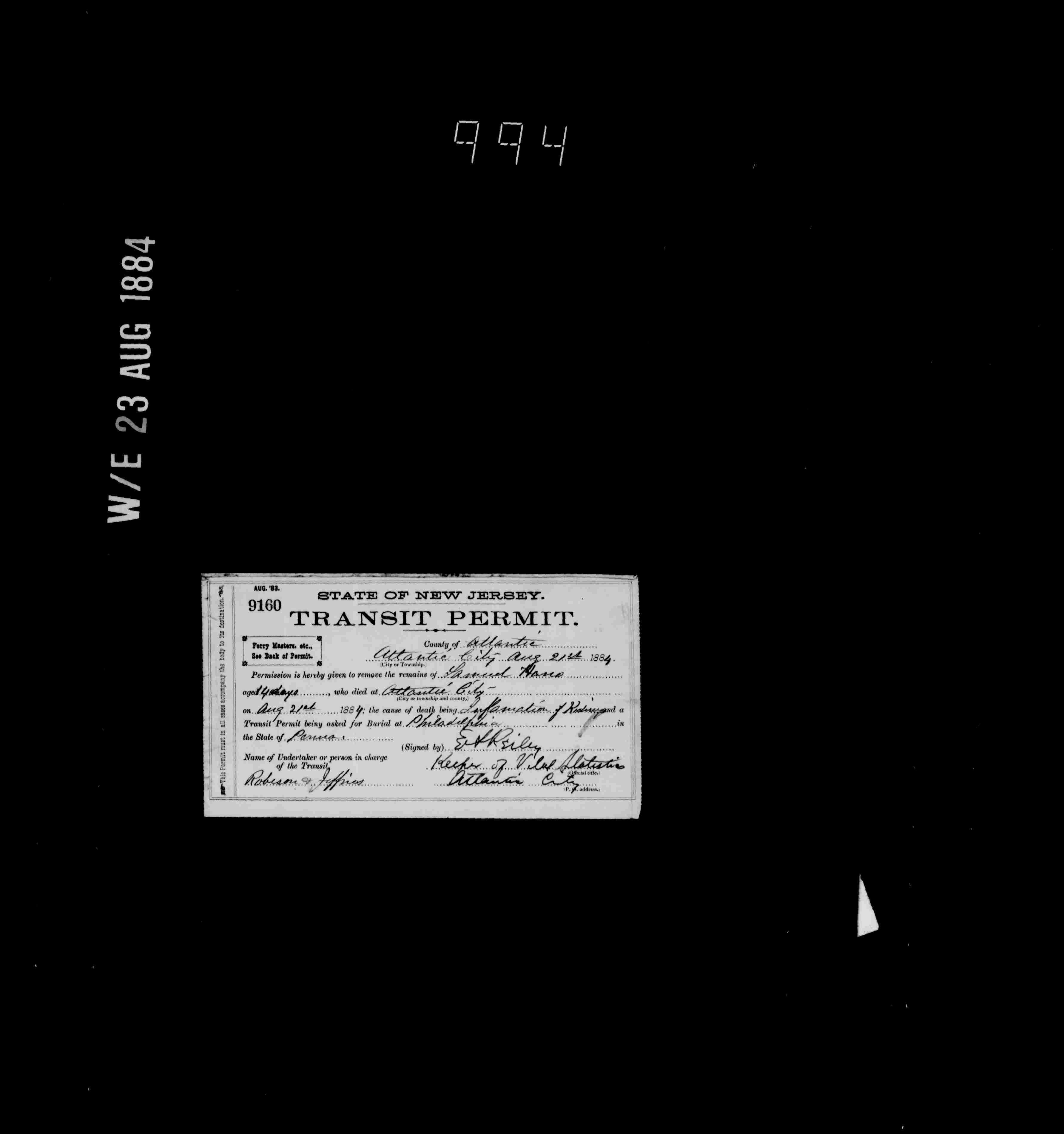
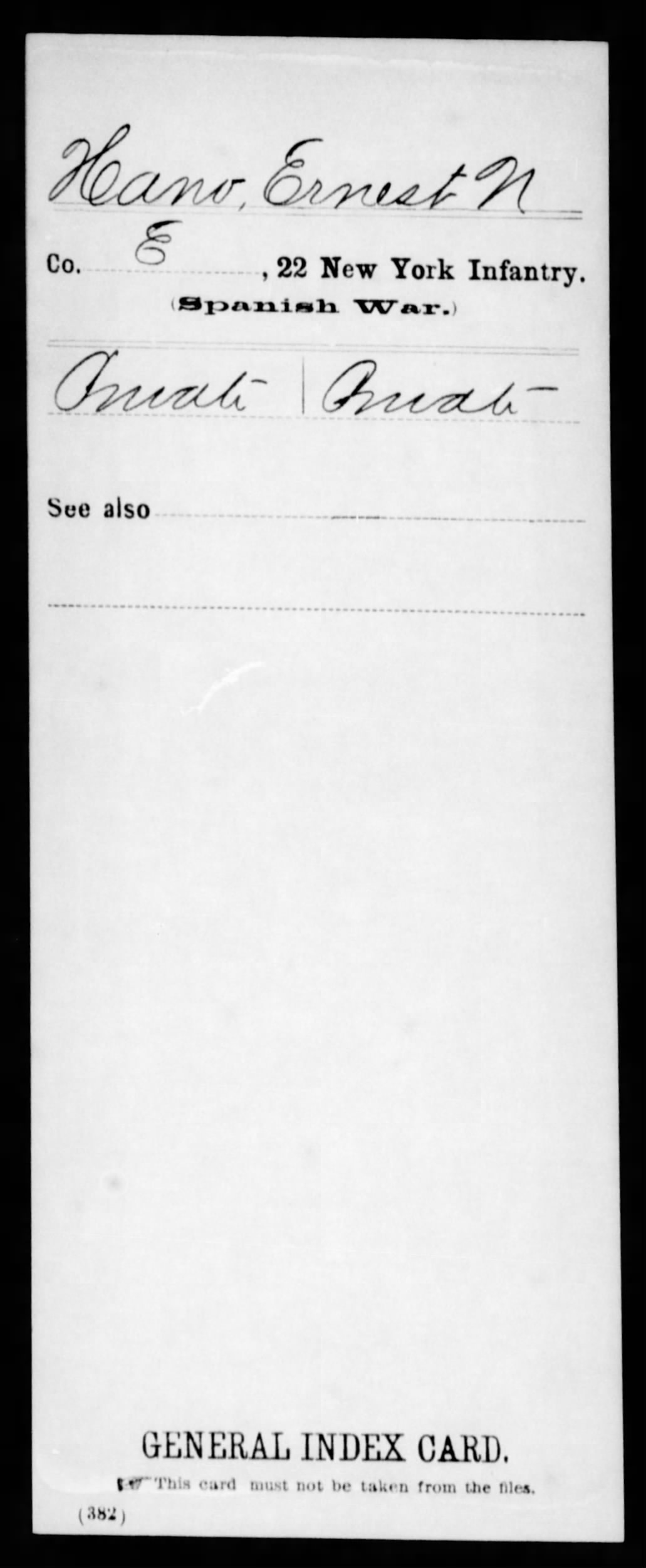

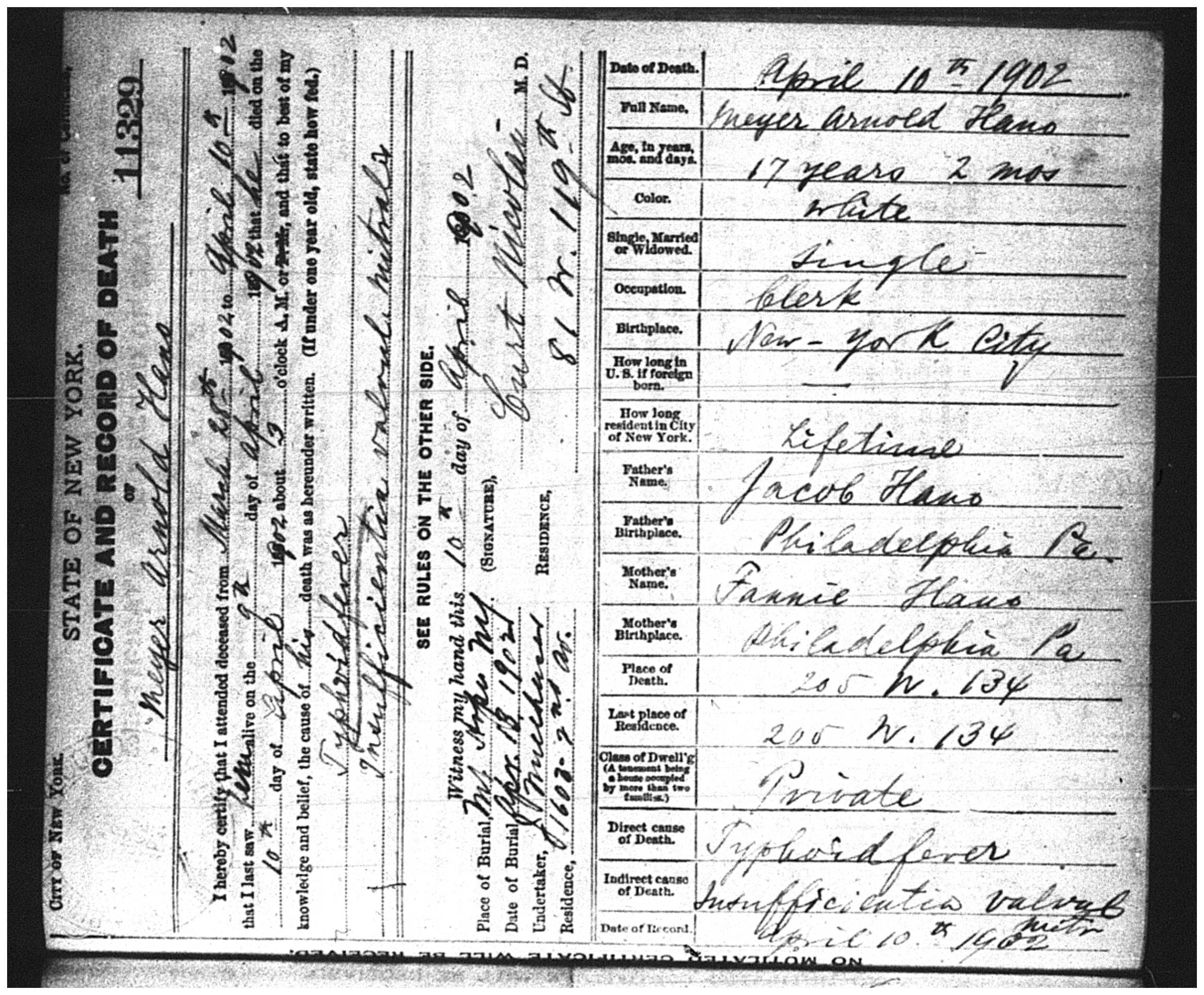


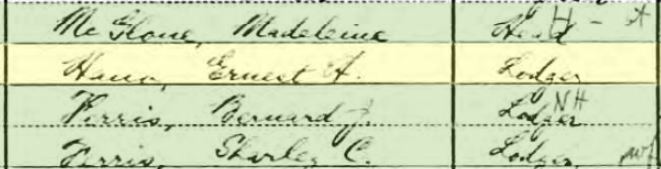


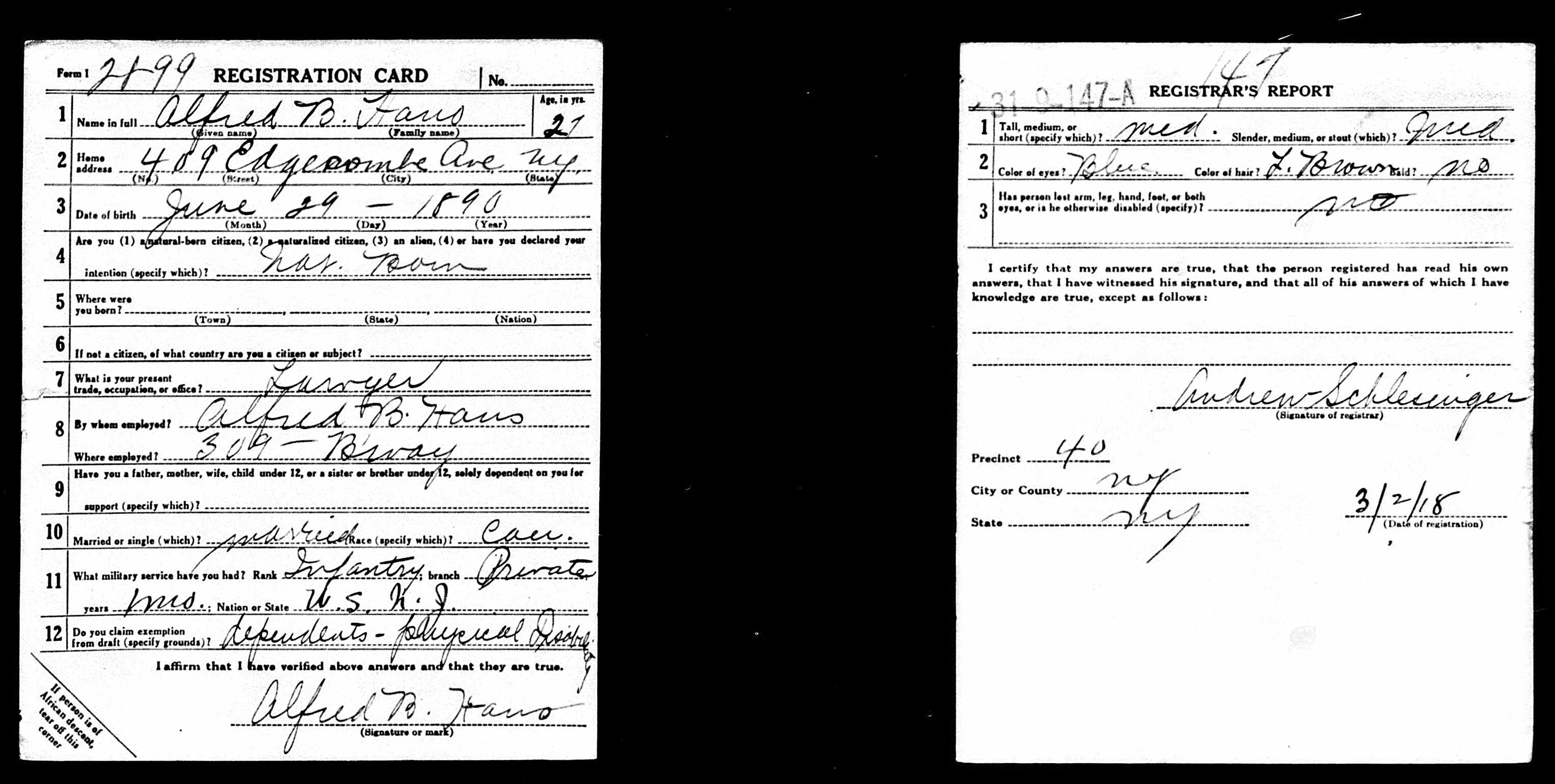

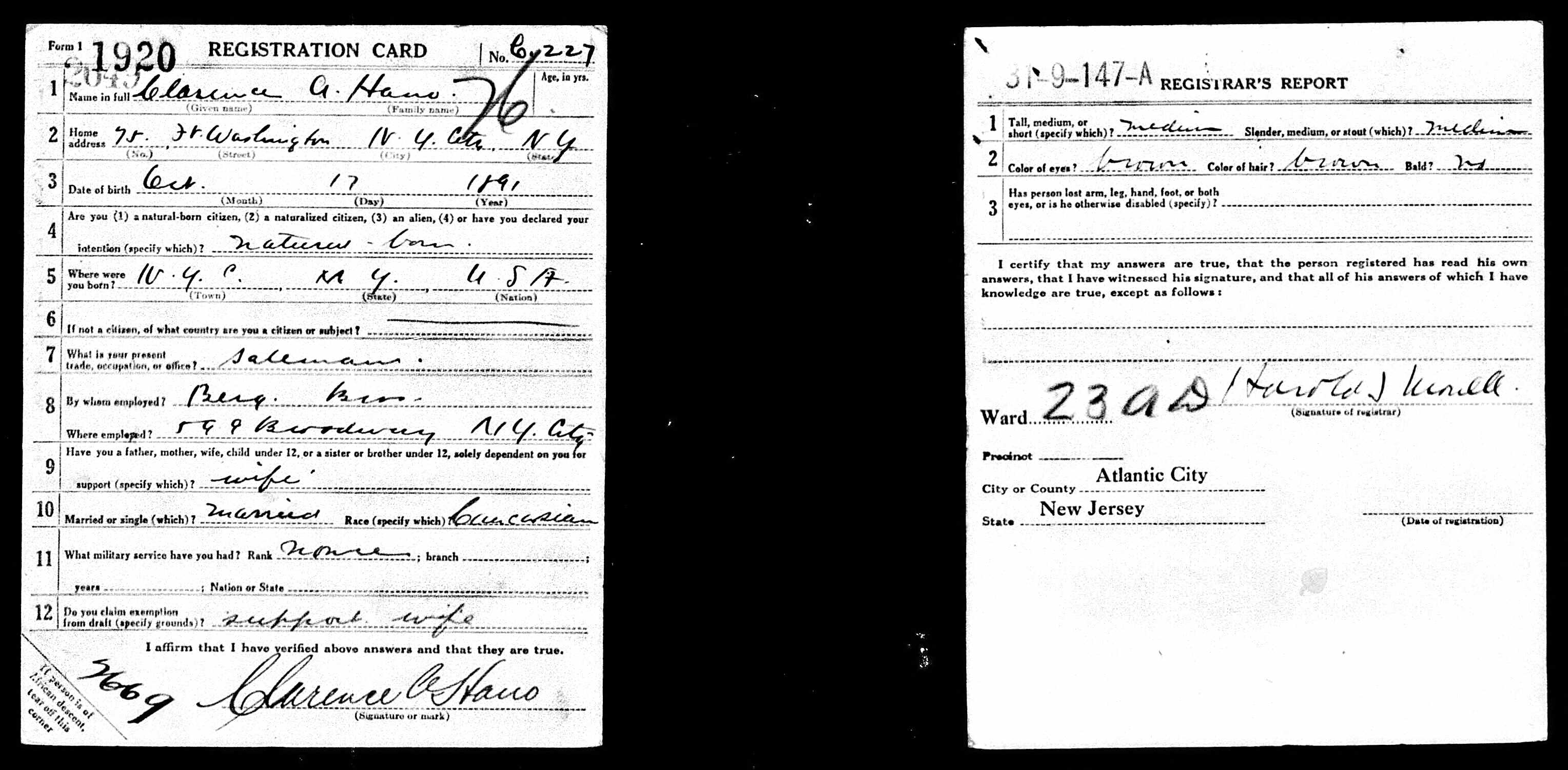
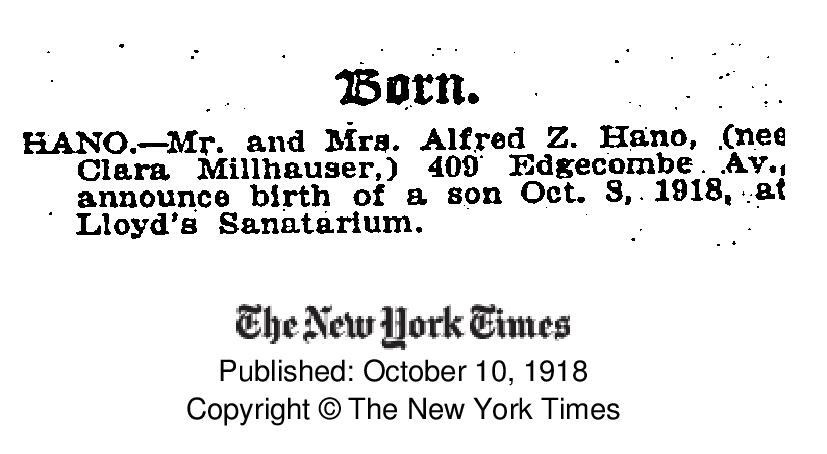





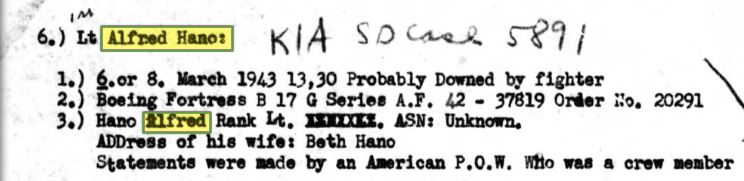



![Ancestry.com. Pennsylvania, Death Certificates, 1906-1963 [database on-line]. Provo, UT, USA: Ancestry.com Operations, Inc., 2014.](https://brotmanblog.com/wp-content/uploads/2015/04/viola-barritt-death-cert.jpg)
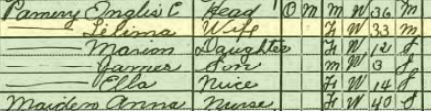
![Ancestry.com. Pennsylvania, Death Certificates, 1906-1963 [database on-line]. Provo, UT, USA: Ancestry.com Operations, Inc., 2014.](https://brotmanblog.com/wp-content/uploads/2015/04/edgar-nusbaum-death-cert.jpg)
![Ancestry.com. Texas, Death Certificates, 1903–1982 [database on-line]. Provo, UT, USA: Ancestry.com Operations, Inc., 2013.](https://brotmanblog.com/wp-content/uploads/2015/04/celina-nusbaum-carnes-death-cert.jpg)
![Ancestry.com. Texas, Death Certificates, 1903–1982 [database on-line]. Provo, UT, USA: Ancestry.com Operations, Inc., 2013.](https://brotmanblog.com/wp-content/uploads/2015/04/donald-carnes-death-cert.jpg)
![Ancestry.com. U.S. City Directories, 1821-1989 [database on-line]. Provo, UT, USA: Ancestry.com Operations, Inc., 2011.](https://brotmanblog.com/wp-content/uploads/2015/04/carnes-directory-1942.jpg)


![Description Certificate Number Range : 024001-027000 Source Information Ancestry.com. Pennsylvania, Death Certificates, 1906-1963 [database on-line]. Provo, UT, USA: Ancestry.com Operations, Inc., 2014. Original data: Pennsylvania (State). Death certificates, 1906–1963. Series 11.90 (1,905 cartons). Records of the Pennsylvania Department of Health, Record Group 11. Pennsylvania Historical and Museum Commission, Harrisburg, Pennsylvania.](https://brotmanblog.com/wp-content/uploads/2015/03/rosalie-aub-death-cert.jpg)
![Ancestry.com. Pennsylvania, Death Certificates, 1906-1963 [database on-line]. Provo, UT, USA: Ancestry.com Operations, Inc., 2014. Original data: Pennsylvania (State). Death certificates, 1906–1963. Series 11.90 (1,905 cartons). Records of the Pennsylvania Department of Health, Record Group 11. Pennsylvania Historical and Museum Commission, Harrisburg, Pennsylvania.](https://brotmanblog.com/wp-content/uploads/2015/03/jacob-aub-nusbaum-death-cert.jpg)


![Ancestry.com. Pennsylvania, Death Certificates, 1906-1963 [database on-line]. Provo, UT, USA: Ancestry.com Operations, Inc., 2014. Original data: Pennsylvania (State). Death certificates, 1906–1963. Series 11.90 (1,905 cartons). Records of the Pennsylvania Department of Health, Record Group 11. Pennsylvania Historical and Museum Commission, Harrisburg, Pennsylvania.](https://brotmanblog.com/wp-content/uploads/2015/03/albert-wood-sr-death-cert.jpg)

![Ancestry.com. Pennsylvania, Death Certificates, 1906-1963 [database on-line]. Provo, UT, USA: Ancestry.com Operations, Inc., 2014. Original data: Pennsylvania (State). Death certificates, 1906–1963. Series 11.90 (1,905 cartons). Records of the Pennsylvania Department of Health, Record Group 11. Pennsylvania Historical and Museum Commission, Harrisburg, Pennsylvania.](https://brotmanblog.com/wp-content/uploads/2015/03/corinne-nusbaum-wood-death-cert.jpg)
![Ancestry.com. Pennsylvania, Death Certificates, 1906-1963 [database on-line]. Provo, UT, USA: Ancestry.com Operations, Inc., 2014. Original data: Pennsylvania (State). Death certificates, 1906–1963. Series 11.90 (1,905 cartons). Records of the Pennsylvania Department of Health, Record Group 11. Pennsylvania Historical and Museum Commission, Harrisburg, Pennsylvania.](https://brotmanblog.com/wp-content/uploads/2015/03/albert-wood-jr-death-cert.jpg)
![Ancestry.com. Pennsylvania, Death Certificates, 1906-1963 [database on-line]. Provo, UT, USA: Ancestry.com Operations, Inc., 2014. Original data: Pennsylvania (State). Death certificates, 1906–1963. Series 11.90 (1,905 cartons). Records of the Pennsylvania Department of Health, Record Group 11. Pennsylvania Historical and Museum Commission, Harrisburg, Pennsylvania.](https://brotmanblog.com/wp-content/uploads/2015/03/clarissa-arnold-nusbaum-death-cert.jpg)

![Ancestry.com. Pennsylvania, Death Certificates, 1906-1963 [database on-line]. Provo, UT, USA: Ancestry.com Operations, Inc., 2014. Original data: Pennsylvania (State). Death certificates, 1906–1963. Series 11.90 (1,905 cartons). Records of the Pennsylvania Department of Health, Record Group 11. Pennsylvania Historical and Museum Commission, Harrisburg, Pennsylvania.](https://brotmanblog.com/wp-content/uploads/2015/03/henrietta-nusbaum-newhouse-death-cert.jpg)


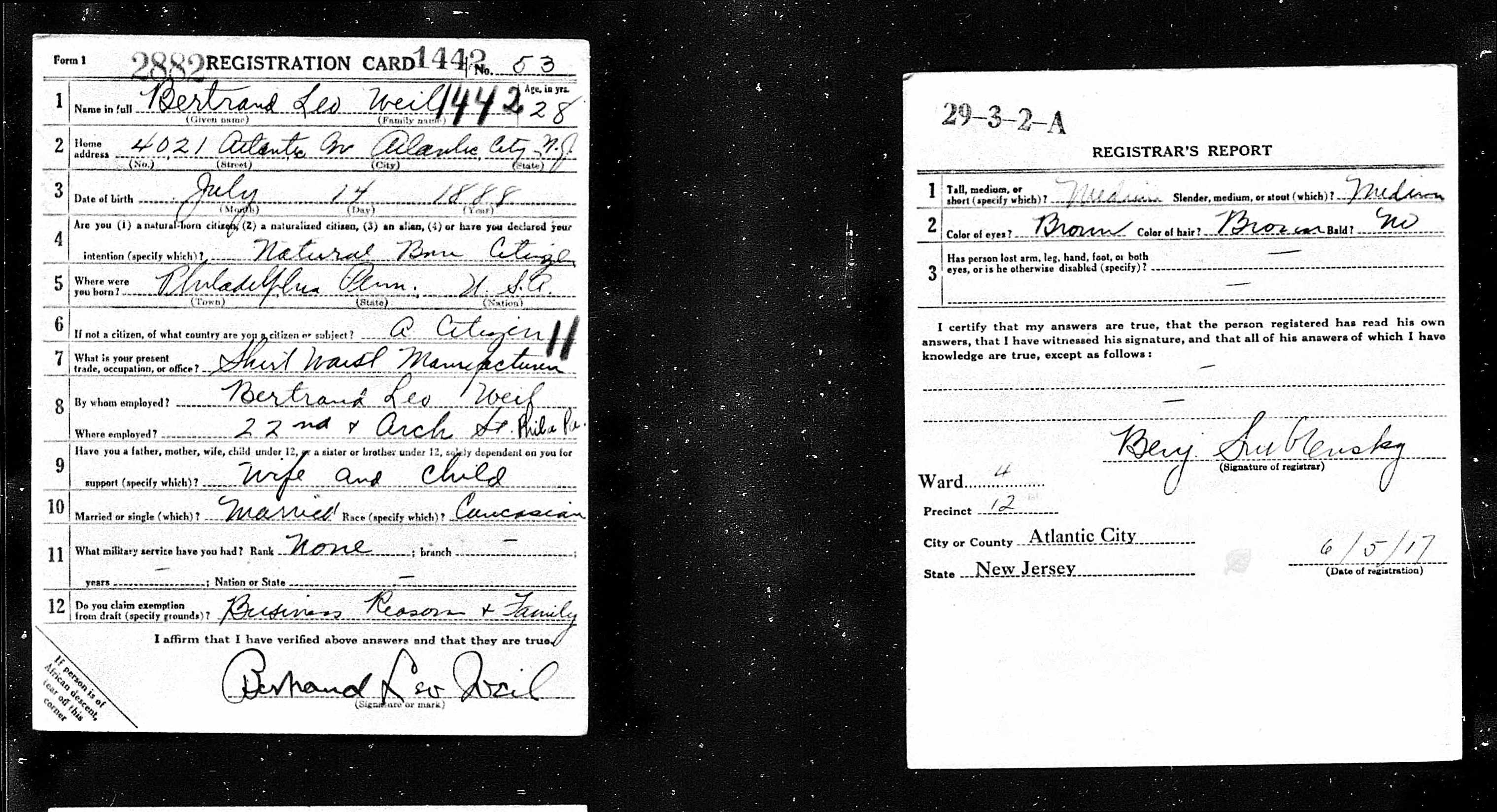


![Ancestry.com. Pennsylvania, Death Certificates, 1906-1963 [database on-line]. Provo, UT, USA: Ancestry.com Operations, Inc., 2014. Original data: Pennsylvania (State). Death certificates, 1906–1963. Series 11.90 (1,905 cartons). Records of the Pennsylvania Department of Health, Record Group 11. Pennsylvania Historical and Museum Commission, Harrisburg, Pennsylvania.](https://brotmanblog.com/wp-content/uploads/2015/03/frank-nusbaum-death-cert.jpg)

![Ancestry.com. Kentucky, Death Records, 1852-1953 [database on-line]. Provo, UT, USA: Ancestry.com Operations Inc, 2007. Original data: Kentucky. Kentucky Birth, Marriage and Death Records – Microfilm (1852-1910). Microfilm rolls #994027-994058. Kentucky Department for Libraries and Archives, Frankfort, Kentucky.Kentucky. Birth and Death Records: Covington, Lexington, Louisville, and Newport – Microfilm (before 1911). Microfilm rolls #7007125-7007131, 7011804-7011813, 7012974-7013570, 7015456-7015462. Kentucky Department for Libraries and Archives, Frankfort, Kentucky.Kentucky. Vital Statistics Original Death Certificates – Microfilm (1911-1955). Microfilm rolls #7016130-7041803. Kentucky Department for Libraries and Archives, Frankfort, Kentucky.](https://brotmanblog.com/wp-content/uploads/2015/03/burton-weil-death-cert.jpg)
![Ancestry.com. Pennsylvania, Death Certificates, 1906-1963 [database on-line]. Provo, UT, USA: Ancestry.com Operations, Inc., 2014. Original data: Pennsylvania (State). Death certificates, 1906–1963. Series 11.90 (1,905 cartons). Records of the Pennsylvania Department of Health, Record Group 11. Pennsylvania Historical and Museum Commission, Harrisburg, Pennsylvania.](https://brotmanblog.com/wp-content/uploads/2015/03/robert-clarkson-death-cert.jpg)

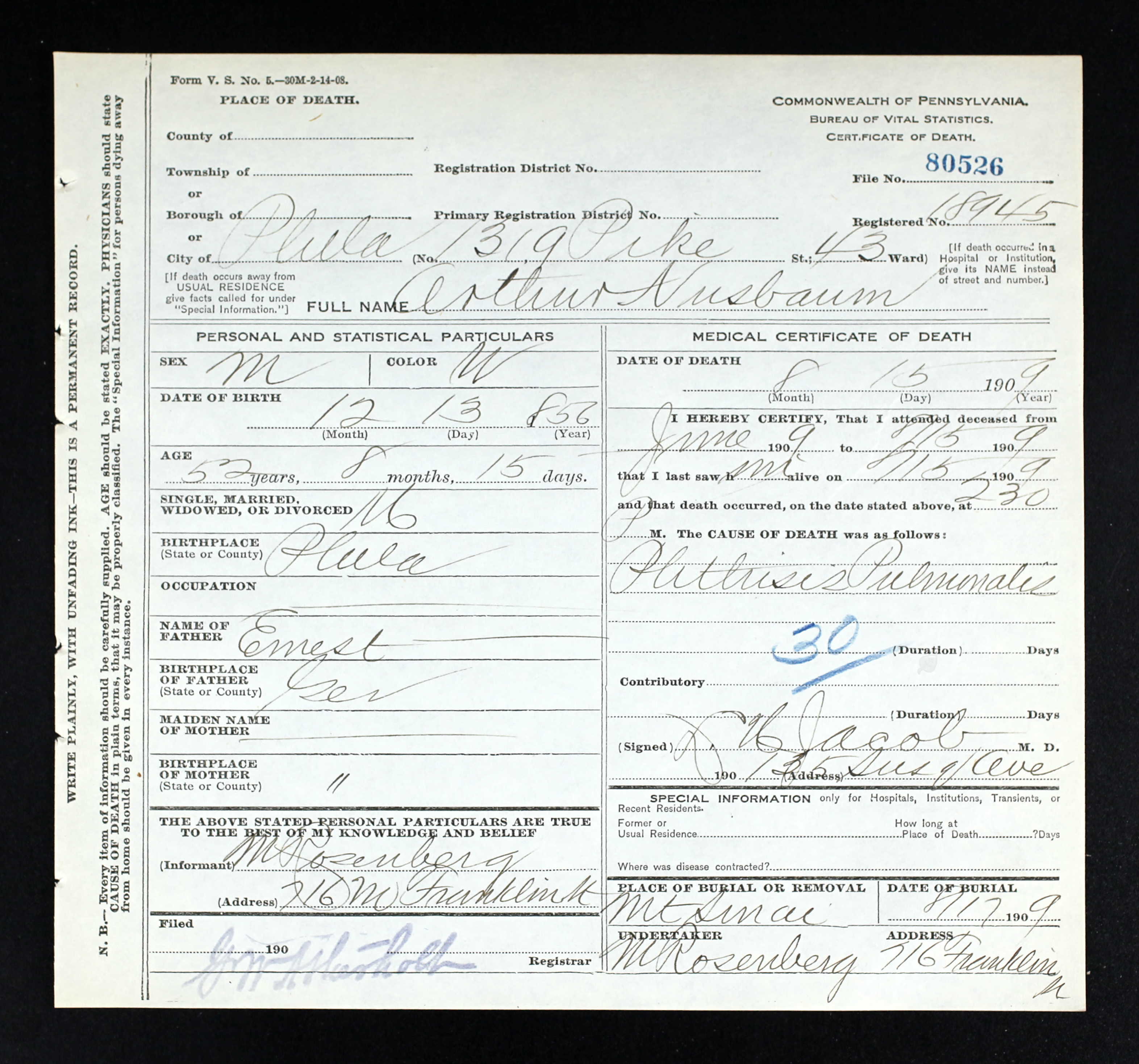
![Ancestry.com. Pennsylvania, Death Certificates, 1906-1963 [database on-line]. Provo, UT, USA: Ancestry.com Operations, Inc., 2014. Original data: Pennsylvania (State). Death certificates, 1906–1963. Series 11.90 (1,905 cartons). Records of the Pennsylvania Department of Health, Record Group 11. Pennsylvania Historical and Museum Commission, Harrisburg, Pennsylvania.](https://brotmanblog.com/wp-content/uploads/2015/03/florence-nusbaum-hoopes-death-cert.jpg)
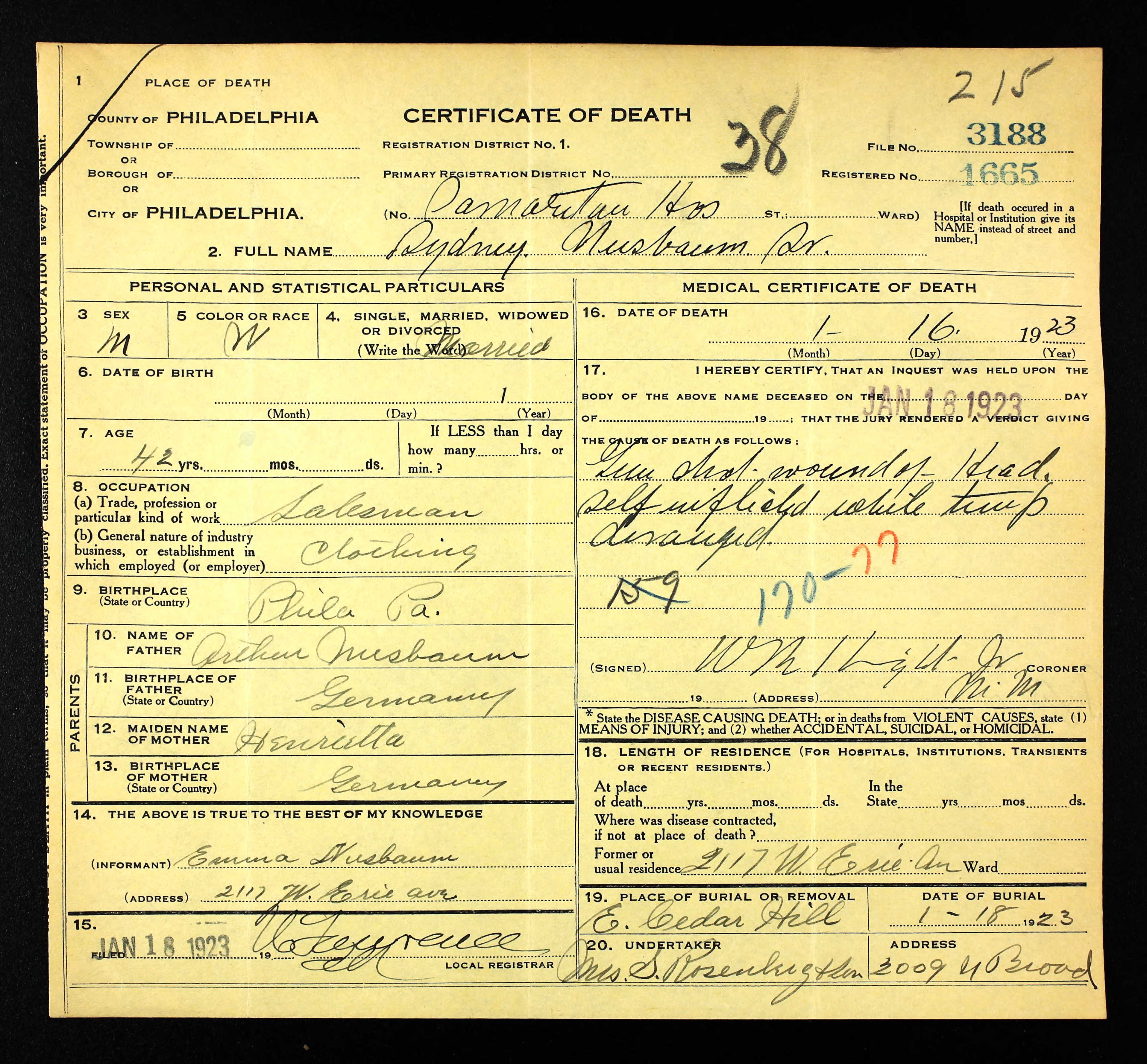

![Ancestry.com. Pennsylvania, Death Certificates, 1906-1963 [database on-line]. Provo, UT, USA: Ancestry.com Operations, Inc., 2014. Original data: Pennsylvania (State). Death certificates, 1906–1963. Series 11.90 (1,905 cartons). Records of the Pennsylvania Department of Health, Record Group 11. Pennsylvania Historical and Museum Commission, Harrisburg, Pennsylvania.](https://brotmanblog.com/wp-content/uploads/2015/03/sidney-nusbaum-jr-death-cert.jpg)
![Ancestry.com. Pennsylvania, Death Certificates, 1906-1963 [database on-line]. Provo, UT, USA: Ancestry.com Operations, Inc., 2014. Original data: Pennsylvania (State). Death certificates, 1906–1963. Series 11.90 (1,905 cartons). Records of the Pennsylvania Department of Health, Record Group 11. Pennsylvania Historical and Museum Commission, Harrisburg, Pennsylvania.](https://brotmanblog.com/wp-content/uploads/2015/03/emma-nusbaum-death-cert-with-cause-after-inquest.jpg)
![Ancestry.com. Pennsylvania, Death Certificates, 1906-1963 [database on-line]. Provo, UT, USA: Ancestry.com Operations, Inc., 2014. Original data: Pennsylvania (State). Death certificates, 1906–1963. Series 11.90 (1,905 cartons). Records of the Pennsylvania Department of Health, Record Group 11. Pennsylvania Historical and Museum Commission, Harrisburg, Pennsylvania.](https://brotmanblog.com/wp-content/uploads/2015/03/arthur-h-nusbaum-death-cert.jpg)

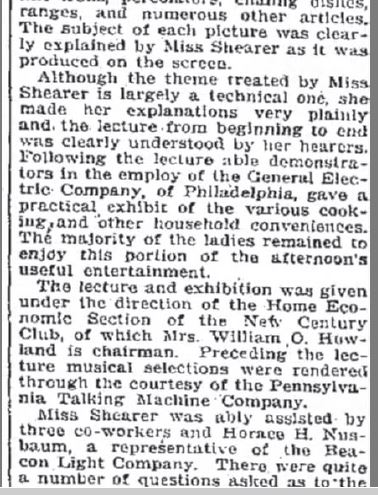

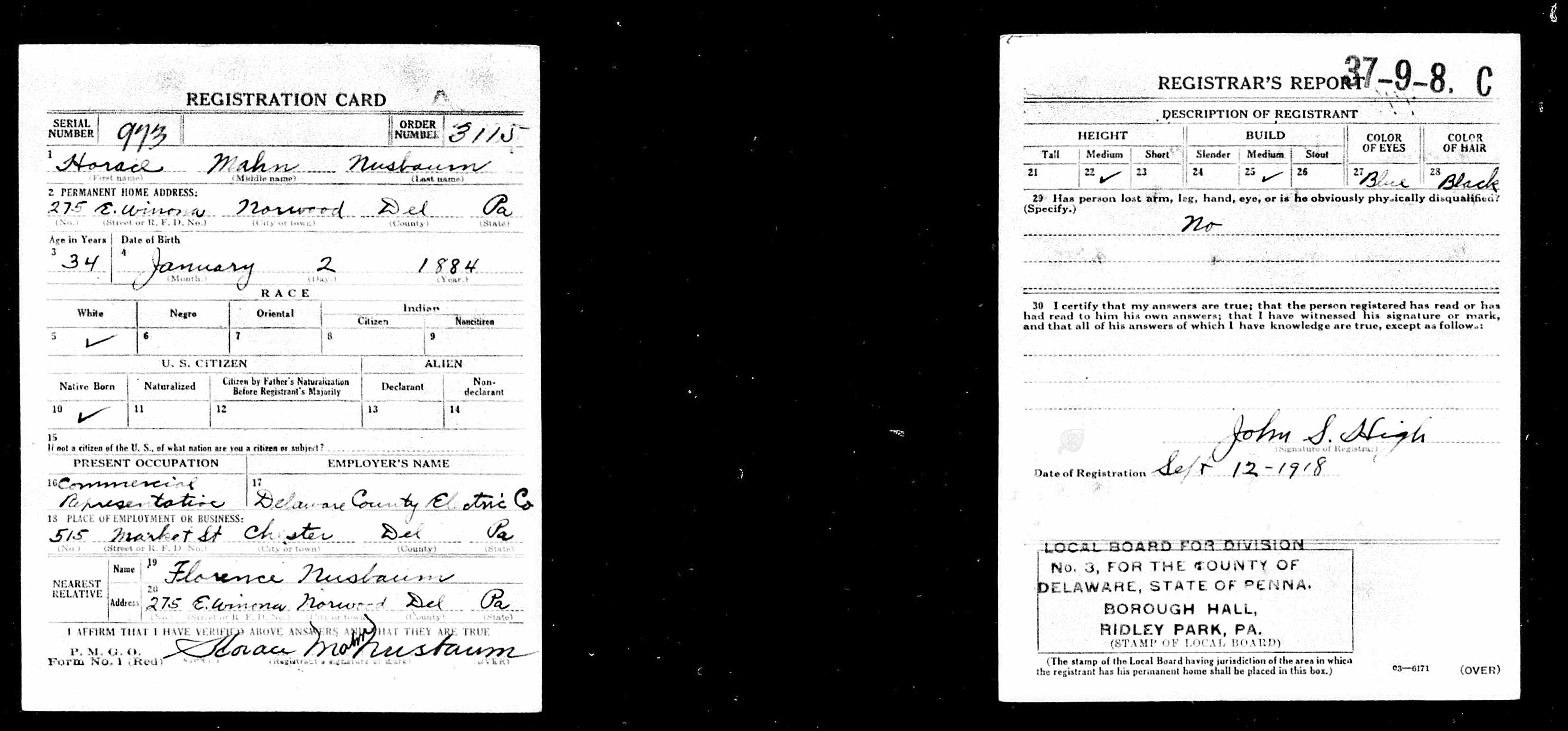
![Ancestry.com. Pennsylvania, Death Certificates, 1906-1963 [database on-line]. Provo, UT, USA: Ancestry.com Operations, Inc., 2014. Original data: Pennsylvania (State). Death certificates, 1906–1963. Series 11.90 (1,905 cartons). Records of the Pennsylvania Department of Health, Record Group 11. Pennsylvania Historical and Museum Commission, Harrisburg, Pennsylvania.](https://brotmanblog.com/wp-content/uploads/2015/03/florence-crawford-nusbaum-death-cert.jpg)

![Ancestry.com. Pennsylvania, Death Certificates, 1906-1963 [database on-line]. Provo, UT, USA: Ancestry.com Operations, Inc., 2014. Original data: Pennsylvania (State). Death certificates, 1906–1963. Series 11.90 (1,905 cartons). Records of the Pennsylvania Department of Health, Record Group 11. Pennsylvania Historical and Museum Commission, Harrisburg, Pennsylvania.](https://brotmanblog.com/wp-content/uploads/2015/03/stella-nusbaum-service-death-cert.jpg)

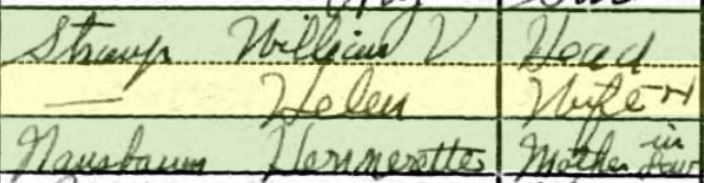
![Ancestry.com. Pennsylvania, Death Certificates, 1906-1963 [database on-line]. Provo, UT, USA: Ancestry.com Operations, Inc., 2014. Original data: Pennsylvania (State). Death certificates, 1906–1963. Series 11.90 (1,905 cartons). Records of the Pennsylvania Department of Health, Record Group 11. Pennsylvania Historical and Museum Commission, Harrisburg, Pennsylvania.](https://brotmanblog.com/wp-content/uploads/2015/03/henrietta-hilbronner-nusbaum-death-cert.jpg)



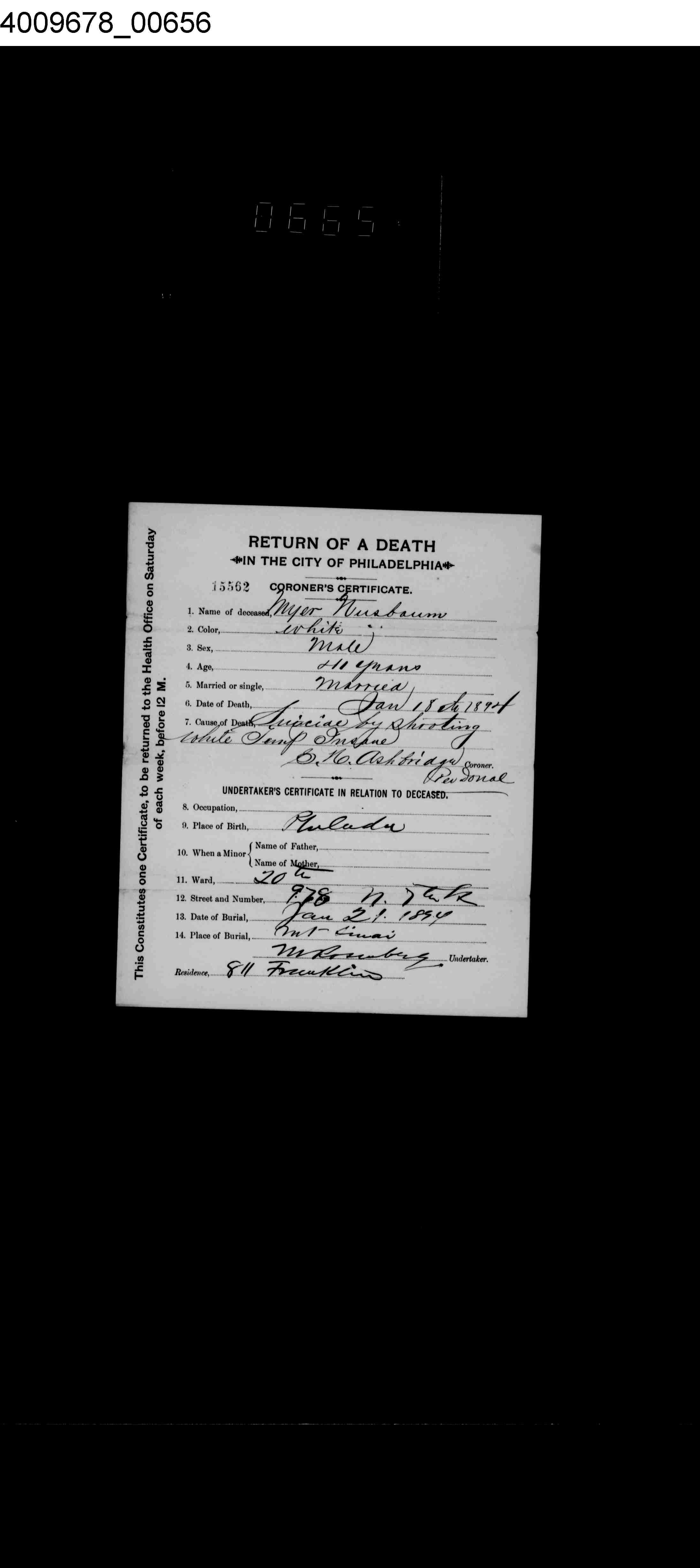


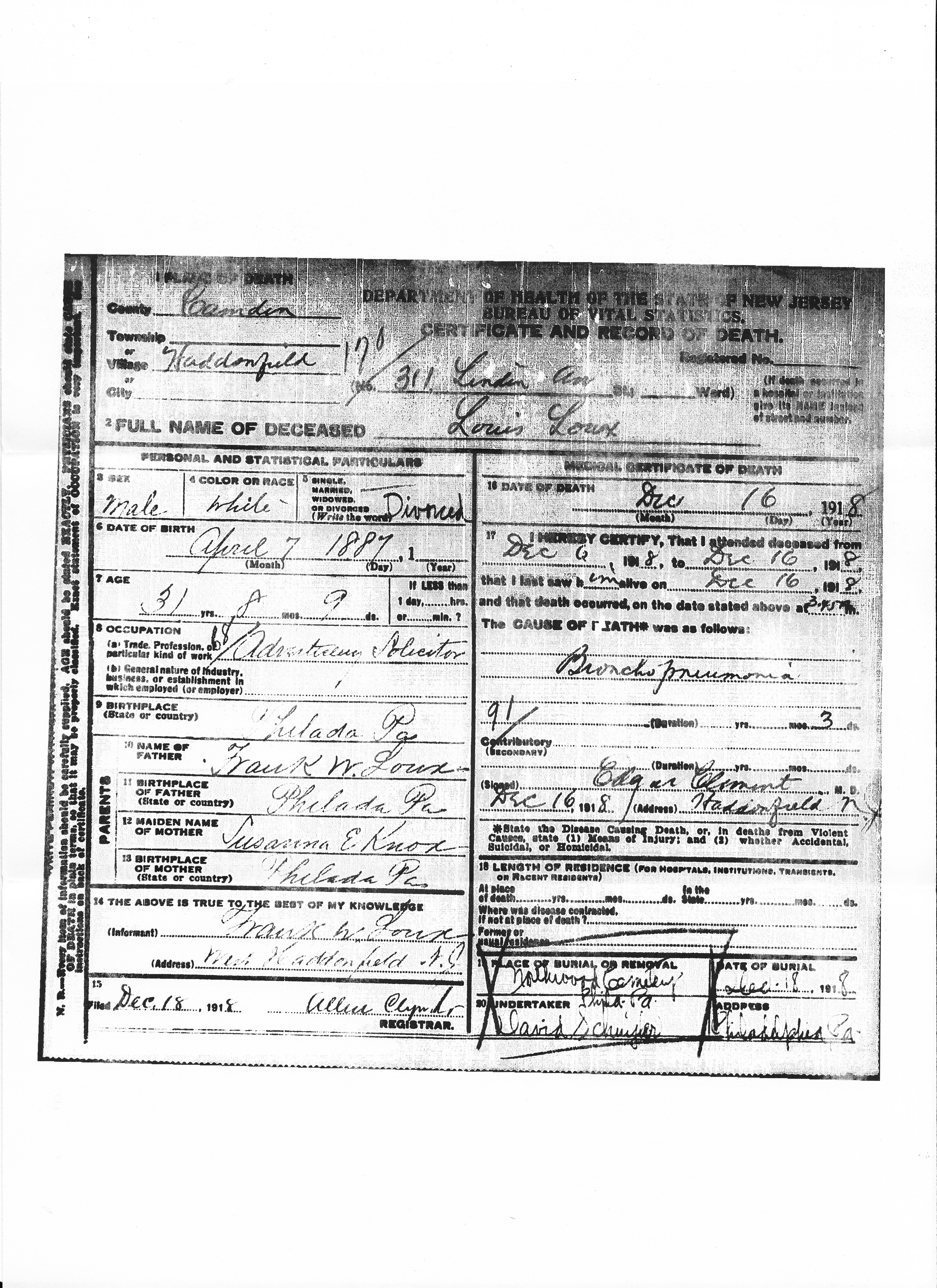

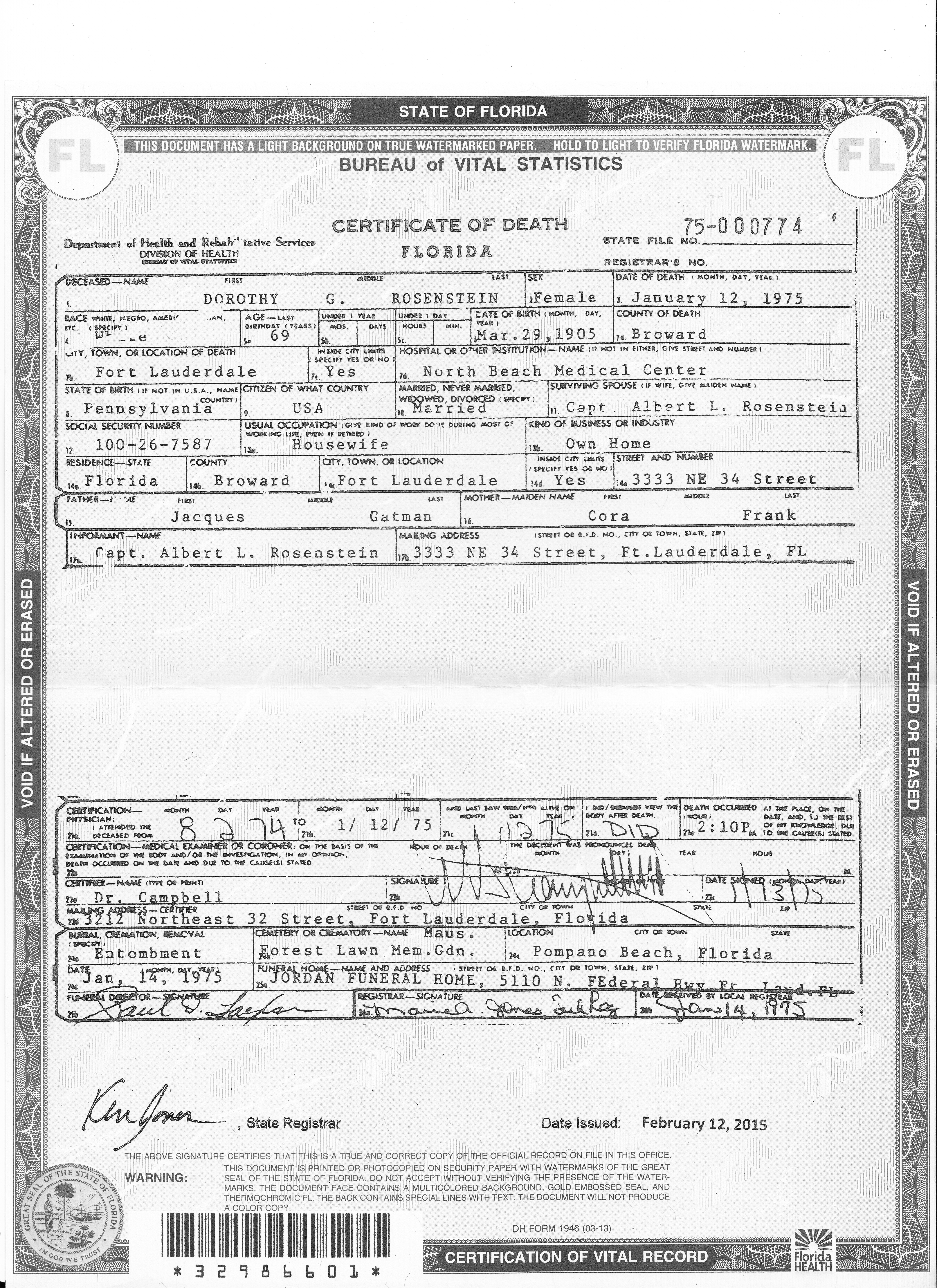




 Brotmanblog: A Family Journey