Lotte Nathan: Carrying and Passing on Family Trauma

Although I couldn’t find out what happened to Bertha Katzenstein Nathan Langebartels, I learned from her naturalization papers that Bertha had had a child with her first husband, Hermann Nathan, named Lotte. Lotte, according to the naturalization petition, was born on May 1, 1915, in Hamburg, Germany. She would have been only eleven years old when her mother and stepfather immigrated to the US in 1926, but she did not come with them. The naturalization petition stated that she “lives in Germany.” The petition also indicated that Friedrich and Bertha had last resided in Hamburg before coming to the United States. I hoped to find Lotte as another way of learning what happened to her mother.

Bertha Katzenstein Langebartels Weber petition for naturalization, The National Archives and Records Administration; Washington, D.C.; Petitions For Naturalization From the U.s. District Court For the Southern District of New York, 1897-1944; Series: M1972; Roll: 542
Description
Archive Roll Descriptions: (Roll 0542) Petition No· 124777-Petition No· 125042
Source Information
Ancestry.com. New York, U.S., Naturalization Records, 1882-1944

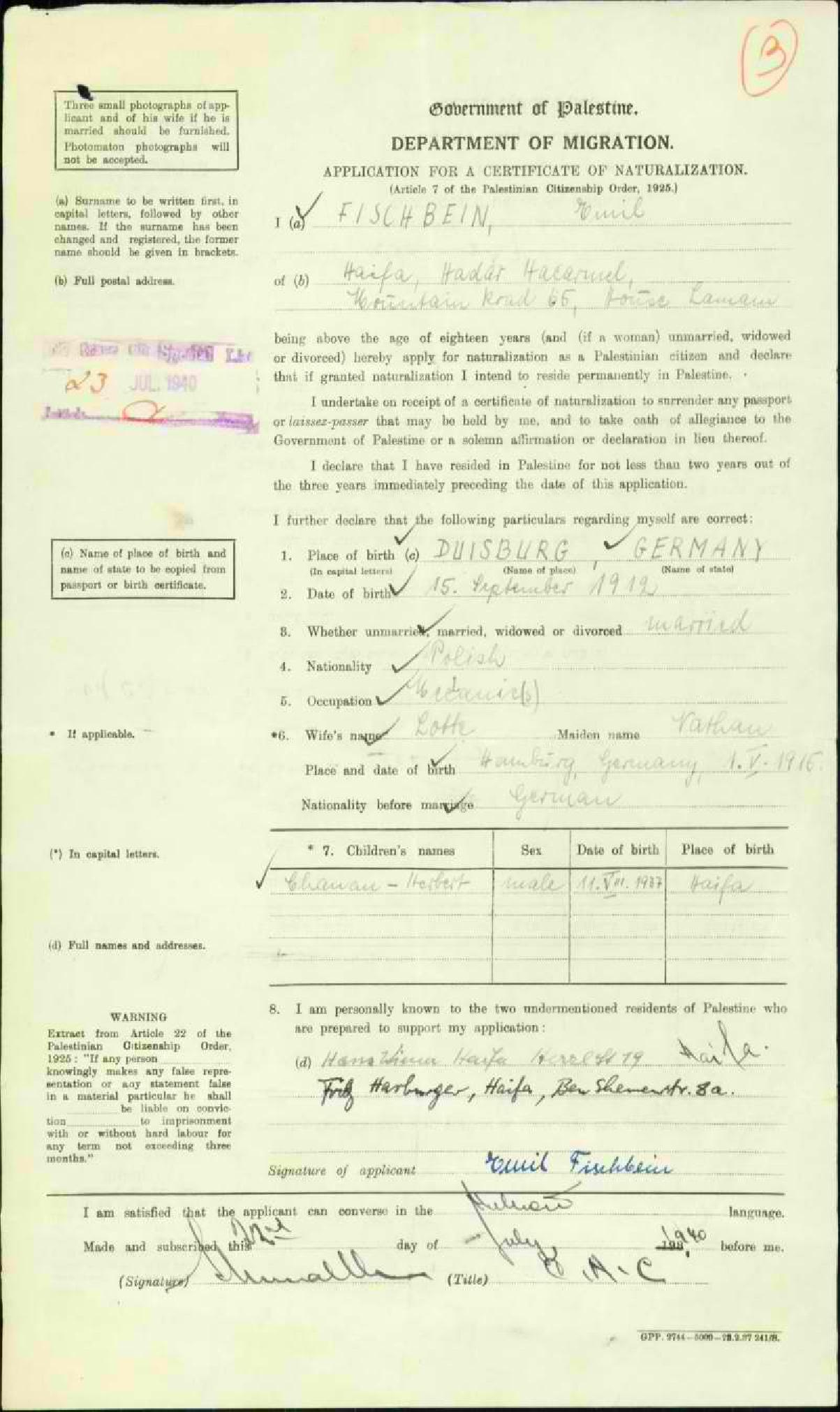
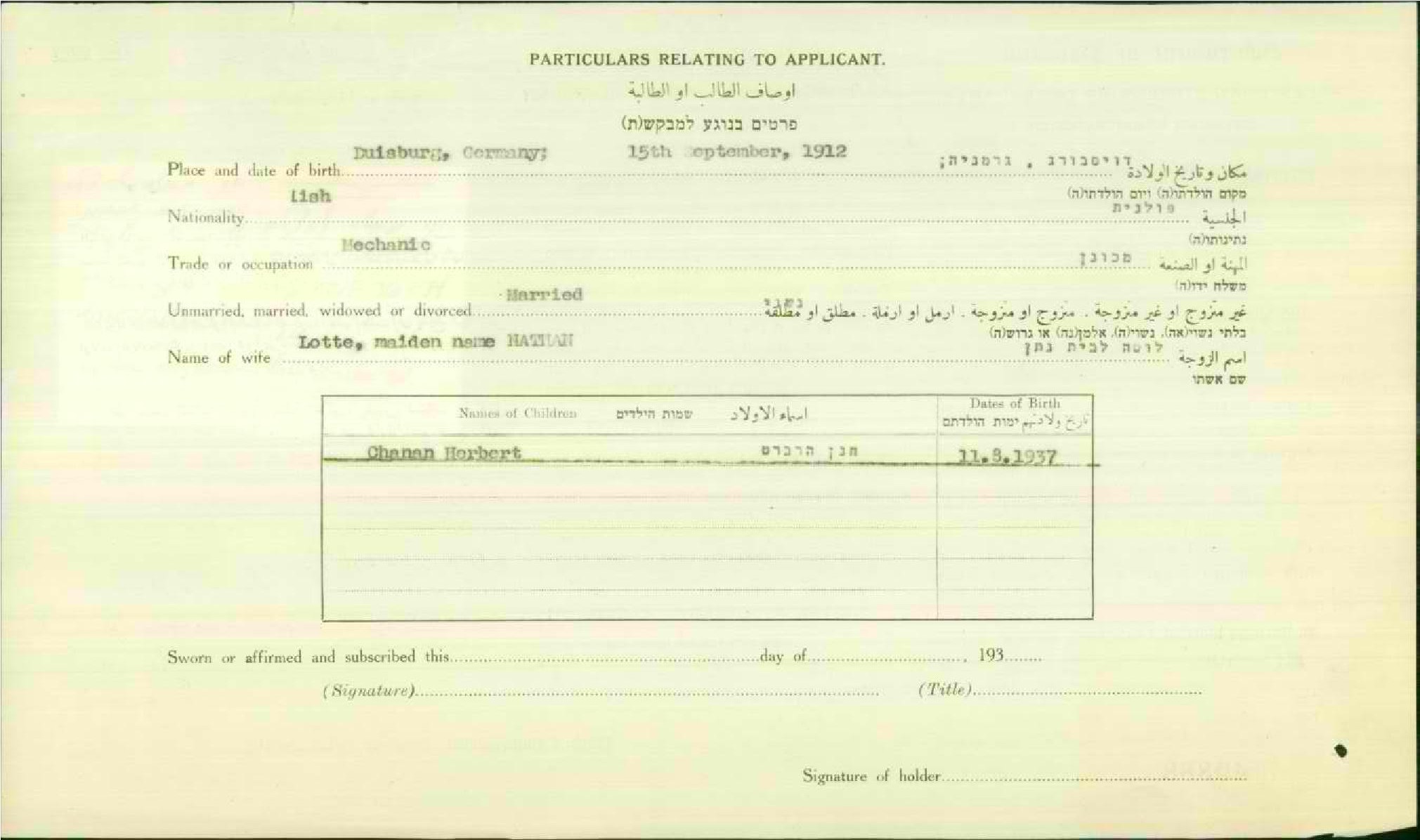
My hunch is that Lotte stayed behind with her father Hermann Nathan, but I can’t be certain. But I do know that sometime during or before 1936 Lotte married Emil Fischbein because on September 8, 1936, they left Germany and immigrated to Palestine as a married couple.1 Emil was born in Duisburg, Germany, on September 15, 1912, but was of Polish nationality, according to his Palestine immigration documents; one tree on MyHeritage created by his great-grandson Gil reports that Emil’s parents were Isaak and Esther Fischbein, both born in what is now Poland. German law at that time provided that children born to non-German parents were not considered German.

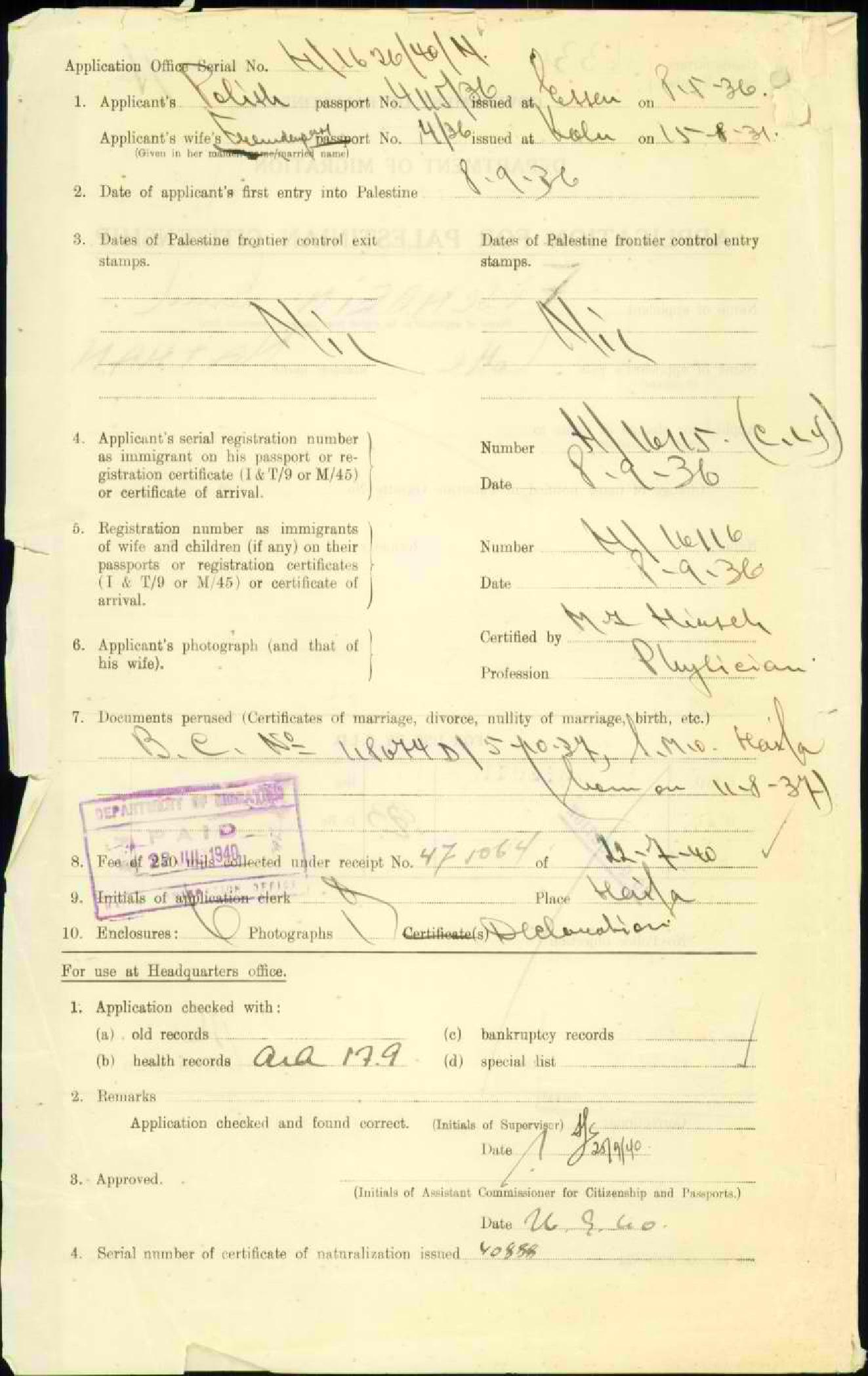
Emil and Lotte’s Palestine immigration documents also include Lotte’s passport,2 which was issued as a Fremdenpass, or a passport issued by the German government to non-Germans living in Germany. Lotte was not eligible for a regular German passport—either because she had married a “foreigner” or because she was Jewish. Jews whose citizenship had been revoked also were granted Fremdenpasses, not regular German passports.

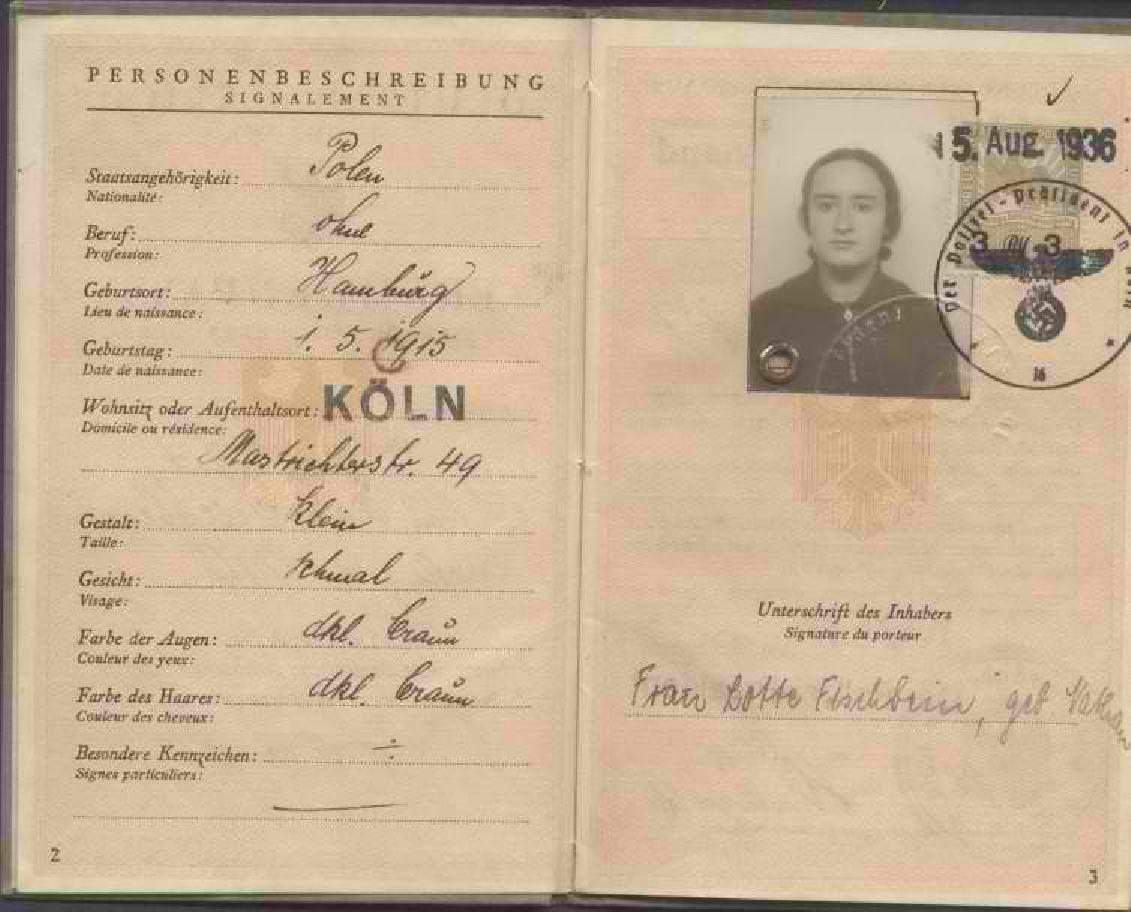
Lotte’s passport was issued on August 15, 1931, from Koeln (Cologne), which suggests that she was living in the German state of North Rhine Westphalia in 1931, not in Hamburg where she was born and where her mother and stepfather had been living before going to the US. It also appears that Lotte’s father Hermann Nathan was not living in North Rhine Westphalia; he was born in Wittingen3 and in 1939 was living in Hildesheim, both of which are located in the German state of Lower Saxony. Emil, however, was born in Duisburg, which is in North Rhine Westphalia, so perhaps that is where they connected with each other.

By October 15, 1940, when Lotte and Emil obtained Palestinian citizenship, they were living in Haifa and had a son, Hanan, who was born on August 11, 1937, in Haifa.4 Through MyHeritage, I located one of their descendants to learn more about Lotte and her family. Gil is Lotte’s great-grandson; his grandfather was Hanan, the baby born in Haifa in 1937. He told me that family lore is that Lotte left Emil and Hanan when Hanan was a child and went to England with an English soldier.

Some trees on Ancestry and MyHeritage indicate that she married Ronald Francis George Buchanan and died in England in 1971. There is a death record on Ancestry for  Lotte Emma B. Buchanan born on May 1, 1915, the day Lotte Nathan was born; the index indicated that she died in the fall of 1971 in Nottingham, England.5 Another record on Ancestry indicates that she died on November 21, 1971, and was cremated in Nottinghamshire on November 24, 1971.6

Lotte Nathan Fischbein Buchanan had a family history and personal history that was difficult. Her grandmother Bertha Metz died from complications of childbirth just two weeks after giving birth to Lotte’s mother Bertha Katzenstein in New York. Bertha Katzenstein was then taken by her father Adolf to Germany, away from her mother’s family.

Then Lotte’s mother Bertha married Hermann Nathan and had Lotte in 1915, only to be divorced from Hermann in 1919 and to marry Friedrich Langebartels in 1921. In 1926 Bertha and Friedrich came to the US and were there at least long enough to file for US citizenship in 1927, leaving Lotte behind in Germany at eleven years old. I don’t know what happened to Bertha after 1927 or whether Lotte ever reunited with her mother.

We know that there is truth to the concept of generational trauma—how the traumas and tragedies suffered by earlier generations are passed down to the children, grandchildren, and so forth of those earlier generations. Bertha Katzenstein grew up without a mother and was taken from the US to Germany as a child by her father, far from her maternal relatives. We don’t know how that trauma affected her, but in some ways her daughter Lotte suffered a similar trauma when her mother Bertha divorced her father, remarried, and left Lotte behind after moving to the US with her second husband. And then Lotte inflicted a similar trauma on her son Hanan, leaving him behind when she remarried and moved to England.

How tragic it is that the scars of one generation can be so easily passed on to the later generations.


  1. Emil and Lotte’s application for citizenship in Palestine in 1940 was found at the Israel State Archives website, temporarily found at https://search.archives.gov.il/, after a cyberattack on their main site. 
  2. See Note 1, supra. 
  3. Hermann Nathan and Bertha Katzenstein marriage record, Year Range and Volume: 1913 Band 01, Ancestry.com. Hamburg, Germany, Marriages, 1874-1920 
  4. See Palestine immigration documents above. 
  5. Name Lottie Emma B Buchanan, Death Age 56, Birth Date 1 May 1915, Registration Date Oct 1971, [Nov 1971] [Dec 1971], Registration Quarter Oct-Nov-Dec, Registration District Nottingham, Inferred County Nottinghamshire, Volume 3c
    Page 1274, General Register Office; United Kingdom; Volume: 3c; Page: 1274, Ancestry.com. England & Wales, Civil Registration Death Index, 1916-2007 
  6. Name Lottie Emma Bertha Buchanan, Register Type Cremation, Death Date 21 Nov 1971, Burial or Cremation Date 24 Nov 1971, Burial or Cremation Place Nottinghamshire, Deceased Online; Kettering, England, UK; Deceased Online Burial Indexes, Ancestry.com. Web: UK, Burial and Cremation Index, 1576-2024 

How My American-born Grandmother Lost Her US Citizenship

An update of a seven year old post:

Almost seven years ago I wrote about my grandmother Eva Schoenthal Cohen’s second cousin, Bertha Katzenstein, the great-granddaughter of Seligmann Goldschmidt, my three-times great-grandfather. Bertha was born on April 23, 1892, in New York City, to Adolf Katzenstein and Bertha Metz, who died less than two weeks after giving birth to her namesake Bertha.

As I wrote back in 2018, Bertha must have been living abroad for some part of her childhood with her father Adolf and stepmother. She was married on February 9, 1913, in Harburg, Germany, to Hermann Nathan. She was only twenty when she married, and six years later they were divorced on July 3, 1919, in Hannover, Germany.

Ancestry.com. Hamburg, Germany, Marriages, 1874-1920.
Original data: Best. 332-5 Standesämter, Personenstandsregister, Sterberegister, 1876-1950, Staatsarchiv Hamburg, Hamburg, Deutschland. Certificate Number: 62
Reference Number: 332-5_11409

That was the last document or record I had for Bertha Katzenstein for almost seven years. I didn’t know whether she’d returned to the US or stayed in Germany, but I couldn’t find her in the US or in Germany—not as Bertha Nathan or Bertha Katzenstein. If she remarried, I had no record of it.

And now, seven years later, I have learned more, thanks to Ines Weber, who left a comment on my original post revealing that Bertha had remarried. That led me to learn a lot more about Bertha’s life.

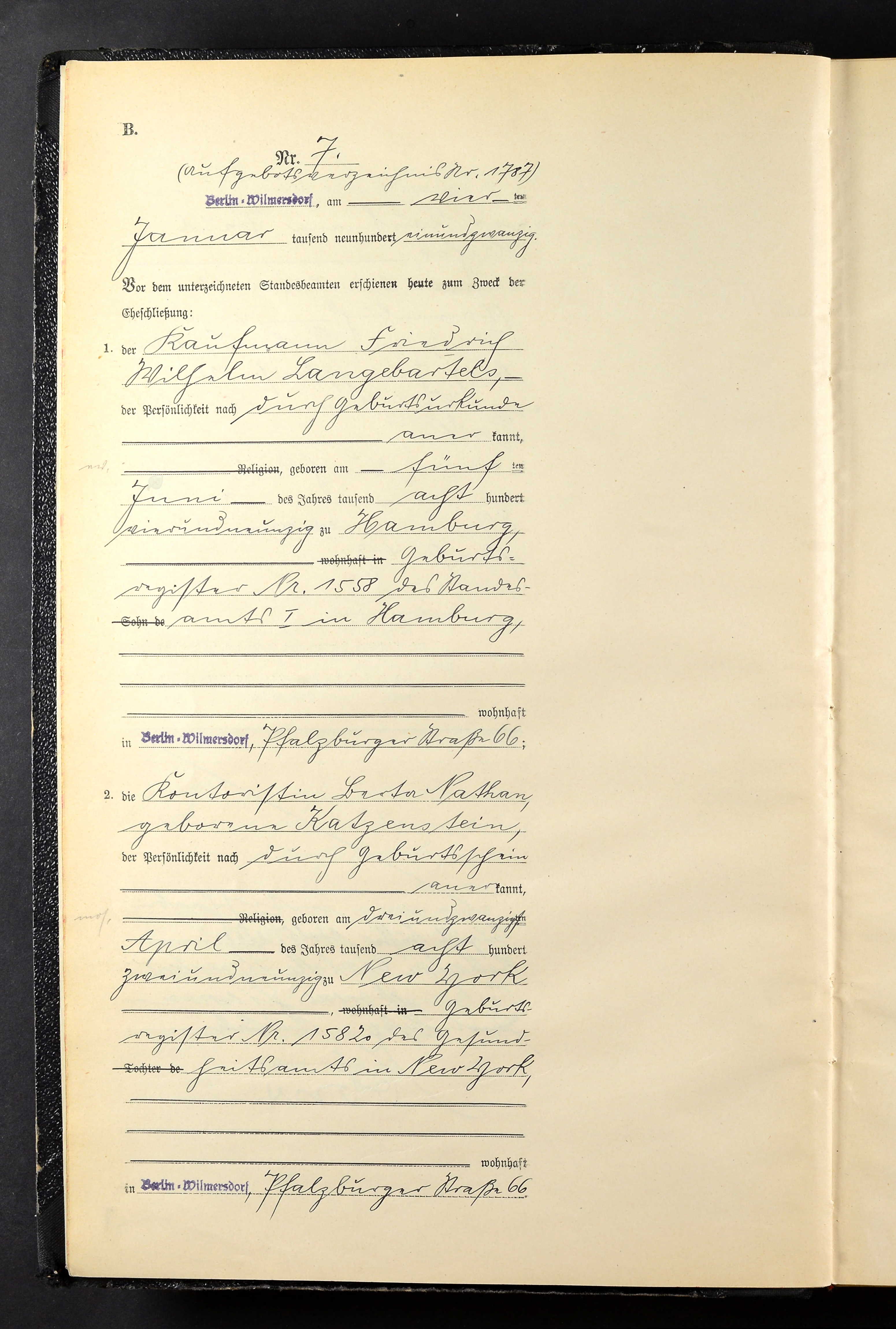
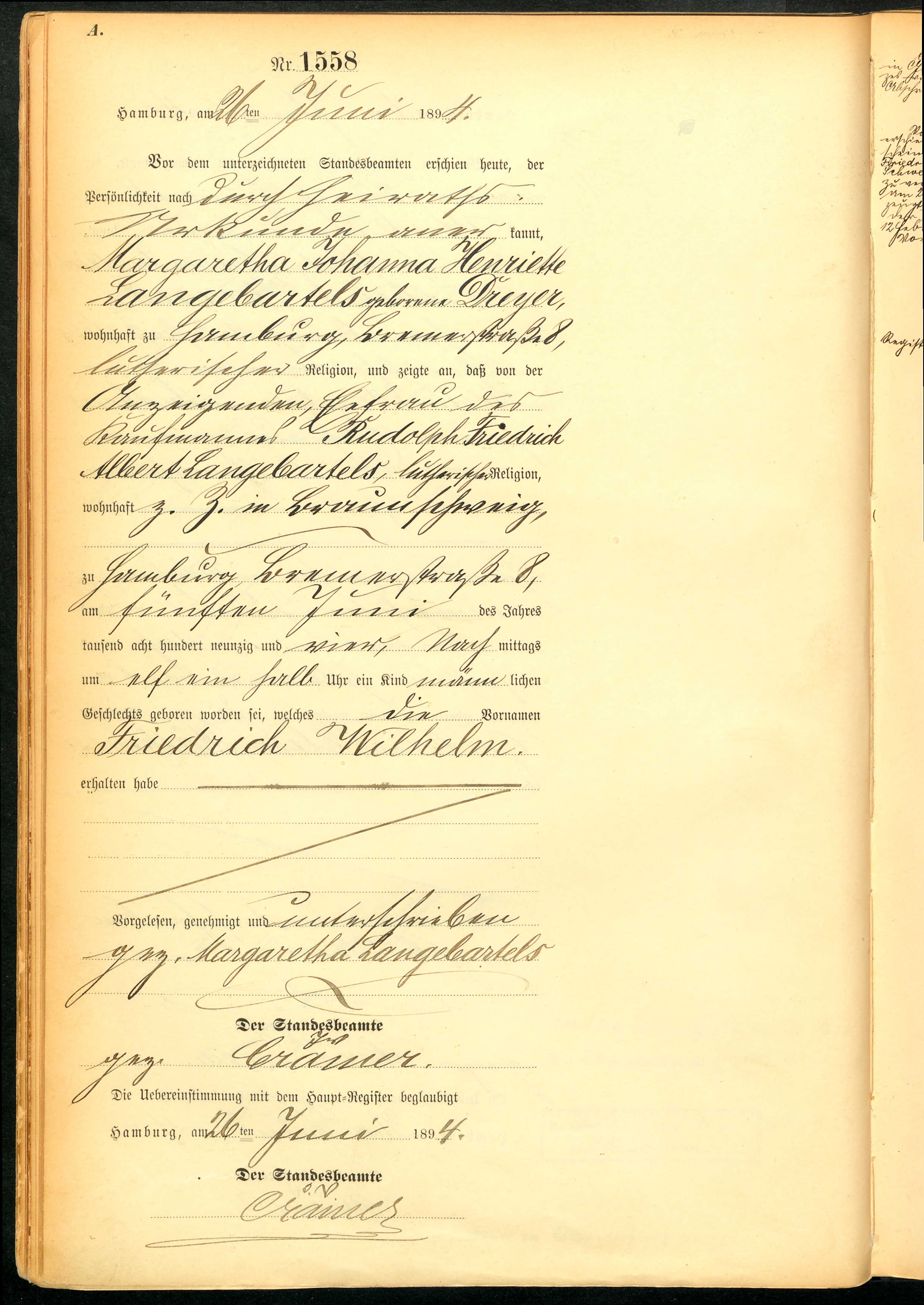
On January 14, 1921, she married Friedrich “Fritz” Wilhelm Langebartels. He was born in Hamburg, Germany, on June 5, 1894, the son of Rudolph Friedrich Albert Langebartels and Margaretha Johanna Henriette Dreyer.

Bertha Katzenstein Nathan marriage to Friedrich Wilhelm Langebartels, Landesarchiv Berlin; Berlin, Deutschland; Personenstandsregister Heiratsregister, Register Year or Type: 1921 (Erstregister), Ancestry.com. Berlin, Germany, Marriages, 1874-1940

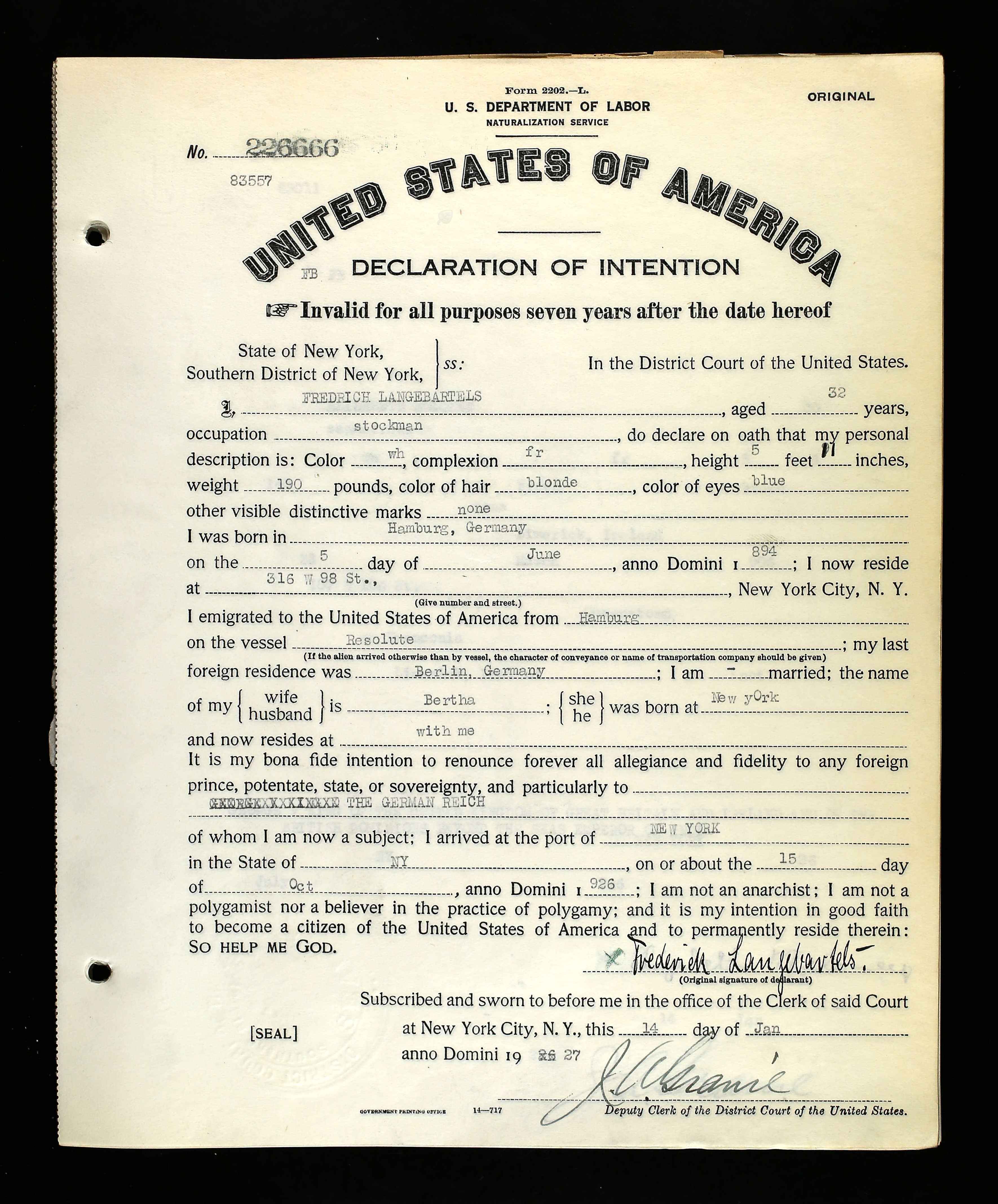
On October 15, 1926, Friedrich and Bertha arrived in New York City after living in Berlin. Friedrich filed a declaration of intention to become a US citizen on June 14, 1927, listing Bertha as his wife.

Friedrich Langebartels declaration of intention, The National Archives at Philadelphia; Philadelphia, PA; NAI Title: Declarations of Intention For Citizenship, 1/19/1842 – 10/29/1959; NAI Number: 4713410; Record Group Title: Records of District Courts of the United States, 1685-2009; Record Group Number: 21, Roll 357) Declarations of Intention For Citizenship, 1842-1959 (No 226101-227150), Ancestry.com. New York, U.S., State and Federal Naturalization Records, 1794-1943

But what really puzzled me was this document: a petition for naturalization filed by Bertha herself. She was born in New York! Why was she filing for naturalization? It even says right on the petition that she was born in New York. I was mystified.

Bertha Katzenstein Langebartels Weber petition for naturalization, The National Archives and Records Administration; Washington, D.C.; Petitions For Naturalization From the U.s. District Court For the Southern District of New York, 1897-1944; Series: M1972; Roll: 542, Archive Roll Descriptions: (Roll 0542) Petition No· 124777-Petition No· 125042, Ancestry.com. New York, U.S., Naturalization Records, 1882-1944

And so I asked about this in the Facebook group Tracing the Tribe and learned that at one time, if a woman born in the US and thus a natural born citizen married a foreign born man, she forfeited her American citizenship. The 1907 Expatriation Act read in part: “That any American woman who marries a foreigner shall take the nationality of her husband…” Act of Mar. 2, 1907, ch. 2534, §3, 34 Stat. 1228.

Thus, under American law Bertha took her husbands’ German nationality when she married first Hermann and then Friedrich in Germany and thereby lost her US citizenship. That meant she had to apply for naturalization to become (again) a US citizen.

However, after women gained suffrage, a new statute overturned that provision. The Cable Act of 1922, Section 3 (ch. 411, 42 Stat. 1021), provided:

That a woman citizen of the United States shall not cease to be a citizen of the United States by reason of her marriage after the passage of this Act, unless she makes a formal renunciation of her citizenship before a court having jurisdiction over naturalization of aliens..[emphasis added]

But this didn’t apply to Bertha because she’d married Hermann in 1913 and Friedrich in 1921 before the Cable Act took effect.

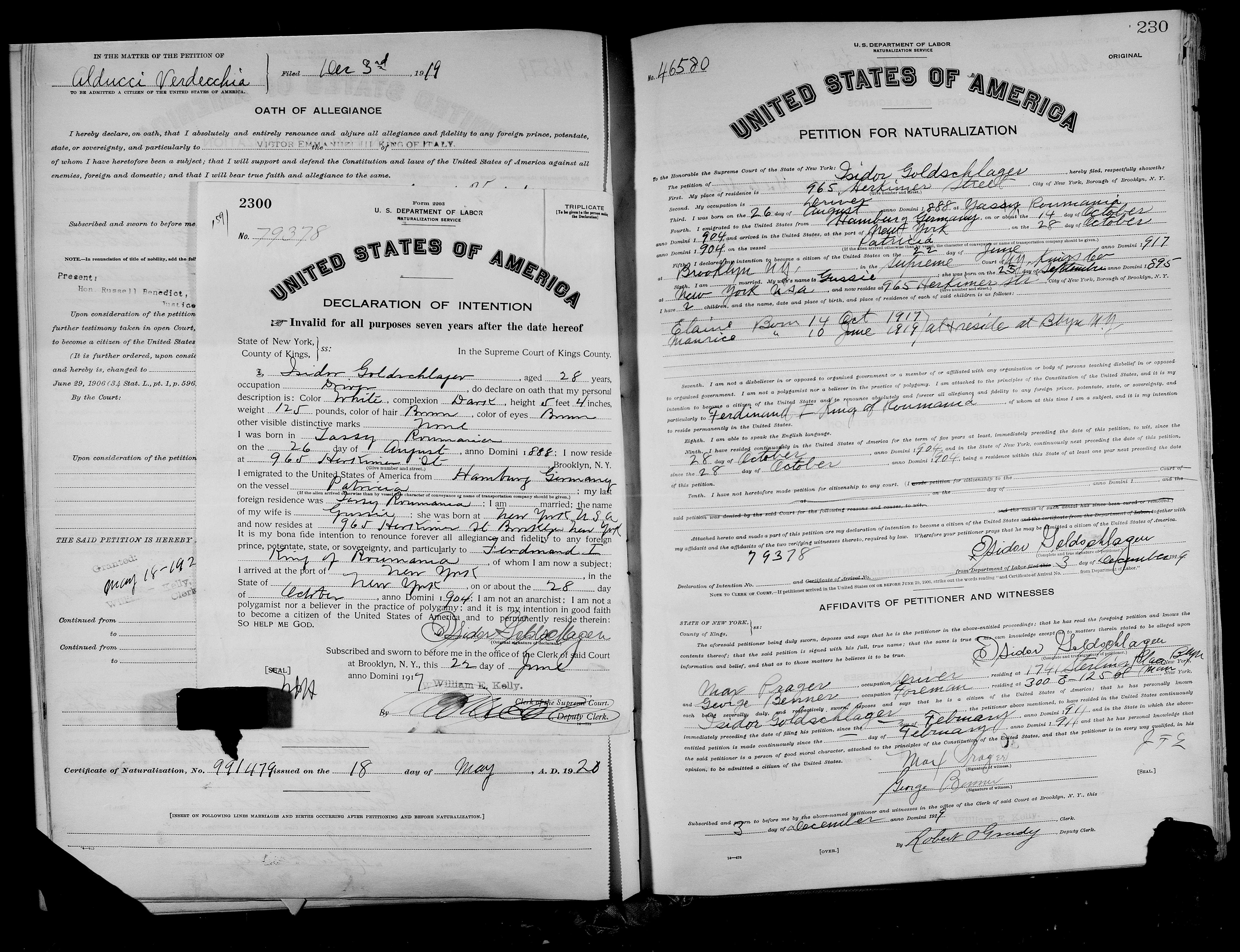
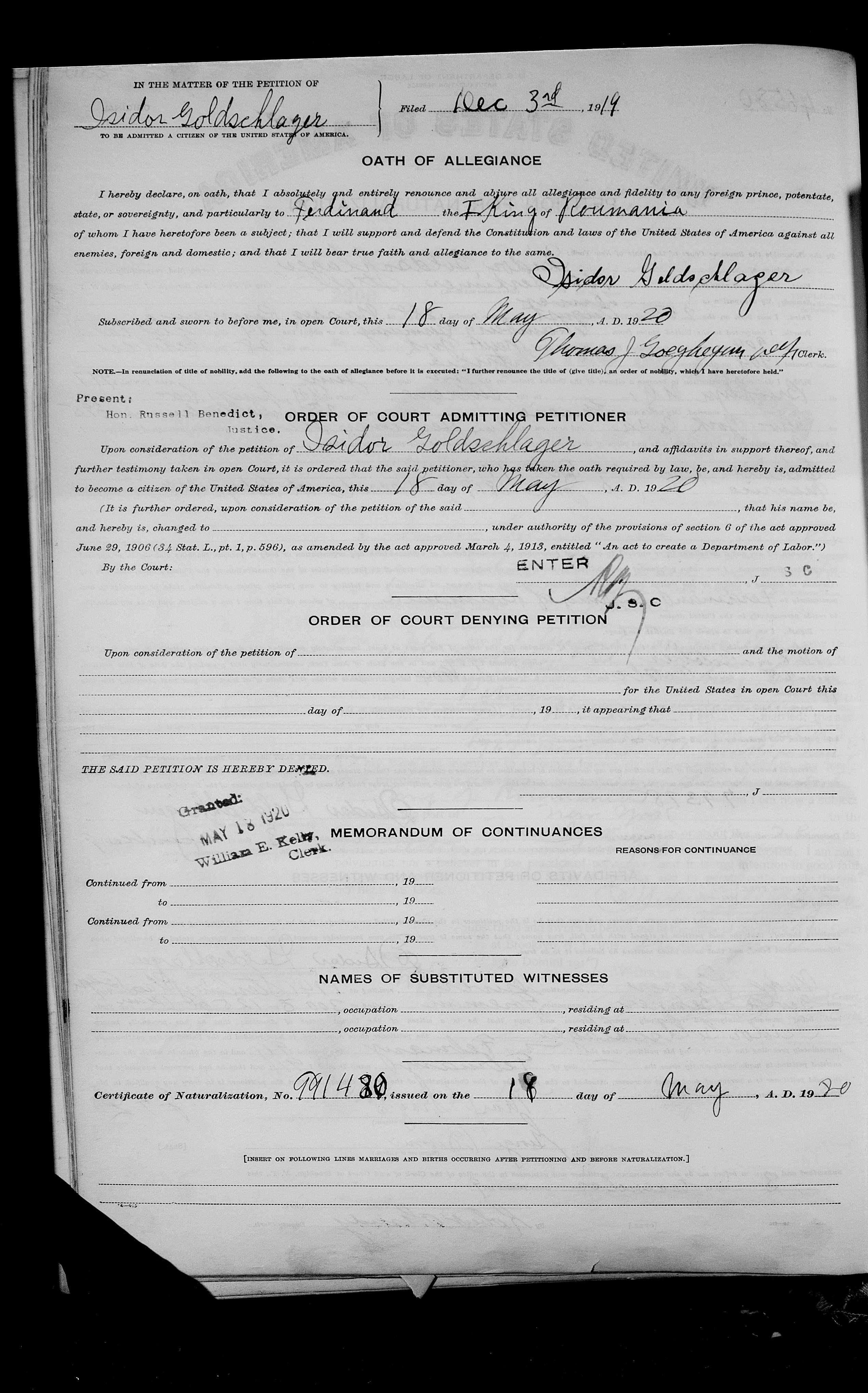
After learning all this, I realized something—this also applied to my maternal grandmother Gussie Brotman, who was born in New York but married my Romanian-born grandfather Isadore Goldschlager in 1916. She lost her US citizenship once she married him. I was horrified, and that led me to try and determine whether my grandmother also had to petition for citizenship despite having been born in the US.

What I found was that my grandfather petitioned for naturalization and was sworn in as a citizen on May 18, 1920. Thus, by virtue of HIS naturalized citizenship, my grandmother once again automatically became a US citizen. What a crazy sexist world it was. Still is in many ways, but not as bad as it was back then.

Anyway, returning to Bertha Katzenstein Nathan Langebartels…

There are two other interesting things about Bertha’s petition: One, I learned that Bertha had had a child with her first husband, Hermann Nathan; Lotte Nathan was born on May 1, 1915, in Germany, and was still living in Germany in 1927 when Bertha filed the petition. I will follow up with what I have learned about Lotte in a subsequent post.

Also, it appears from this document that Bertha was known as both Bertha Langebartels and Bertha Weber. But why Weber? Who was that? I found a Friedrich Langebartels-Weber from Hamburg listed in a database of those injured fighting for Germany during World War I. So Weber appears to have been part of his name.1

I found his birth record, thinking that perhaps Weber was his mother’s birth name, but it was Dreyer.

Friedrich Langebartels birth record, Year Range and Volume: 1894 Band 04, Ancestry.com. Hamburg, Germany, Births, 1874-1901

I asked Ines about this, and she told me that the Weber came from Friedrich’s mother’s second husband, whom she married in 1905 when Friedrich was only eleven years old.

But then Bertha disappeared again. I cannot find anything later than her naturalization record seen above. I can’t find Bertha and Friedrich on the 1930 US census, but Ines found Friedrich as Fred Weber on his 1942 World War II draft registration. This appears to be the right person, given the birth date and birth place.

Fred Weber World War II draft registration, The National Archives At St. Louis; St. Louis, Missouri; World War Ii Draft Cards (Fourth Registration) For the State of New York; Record Group Title: Records of the Selective Service System; Record Group Number: 147; Box or Roll Number: 650, Ancestry.com. U.S., World War II Draft Registration Cards, 1942

But notice that Fred/Friedrich was now married to a woman named Erna, not Bertha. They also appeared as a married couple on the 1940 US census.2 And doing a full-text search on FamilySearch brought up Fred Weber’s second Declaration of Intention, and on that form he reported that he was married to Erna on December 20, 1940, in West New York, New Jersey.3 I also found Erna’s Declaration of Intention and learned her surname was Barsig before she married Fred.

So where was Bertha? Had she died? Were she and Friedrich divorced? Had she returned to Germany?  I wish I knew. I cannot find any references or records or even unsourced trees that reveal what happened to Bertha Katzenstein Nathan Langebartels Weber. She just seems to have disappeared. The search will continue.


  1. Friedrich Langebartels-Weber, Residence Year 1914, Residence Country Deutschland (Germany), List Date 07 Nov 1917 (7 Nov 1917). List Number 1701
    Volume 1917_XVI, Ancestry.com. Germany, World War I Casualty Lists, 1914-1919. 
  2. Fred Weber, 1940 US census, Year: 1940; Census Place: New Rochelle, Westchester, New York; Roll: m-t0627-02810; Page: 61B; Enumeration District: 60-243, Ancestry.com. 1940 United States Federal Census 
  3. Fred Weber, Petition for Naturalization, “New York, U.S. District and Circuit Court Naturalization Records, 1824-1991”, FamilySearch (https://www.familysearch.org/ark:/61903/1:1:65DG-STLP : Tue Apr 15 00:10:46 UTC 2025), Entry for Fred or Fritz Weber or Langebartels and Erna, 18 May 1944. 

Malchen Rothschild Rosenblatt’s Youngest Child, Siegmund

The other surviving son and the youngest child of Malchen Rothschild and Daniel Rosenblatt was their son Siegmund. Like his brother Felix, he escaped from Nazi Germany to Argentina with his wife Else Schwab and their three children, Arno, Ruth, and Margot.

I was very fortunate that Ellie Roden, a first cousin, once removed, of Siegmund’s wife Else, reached out to me through my blog. Ellie wrote that “Siegmund wanted all the family on both sides to leave Germany but before Kristallnacht many hoped and believed that the Nazi reign would end.”1 Unfortunately, as we have seen, Siegmund’s three sisters Julchen, Jette, and Auguste, did not heed that advice. According to Ellie, Siegmund, Else, and their children left Germany for Argentina in July 1937. They joined the same community, Colonia Avigdor, where Siegmund’s brother Felix had settled the year before. According to Siegmund’s great-niece Carmen, Siegmund and his family left Colonia Avigdor in about1955 and moved to Buenos Aires. After receiving compensation from the German government, they could afford to live in the city.2

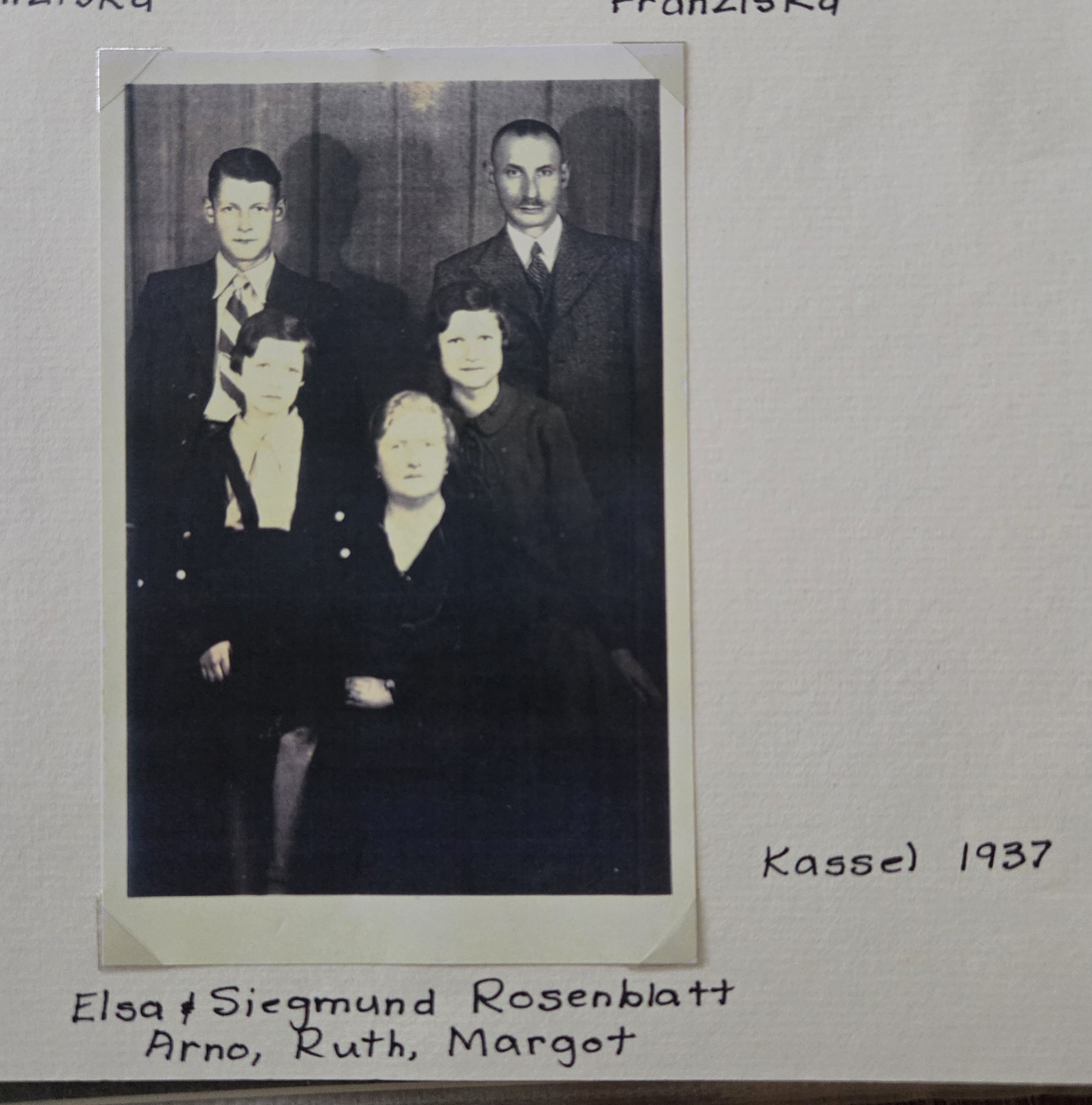
Ellie shared these wonderful photographs of Siegmund and his family, first a photograph of Siegmund and Else and their children in 1937 before they left their home in Kassel, Germany:

Siegmund Rosenblatt and family in 1937, Kassel, Germany
Courtesy of Ellie Roden

This second photograph is undated, but is of Siegmund and Else. I assume it was taken in Argentina some years later.

Else Schwab and Siegmund Rosenblatt. Courtesy of Ellie Roden

The third photo may have been taken at the same event as the one above; it was taken in Buenos Aires:

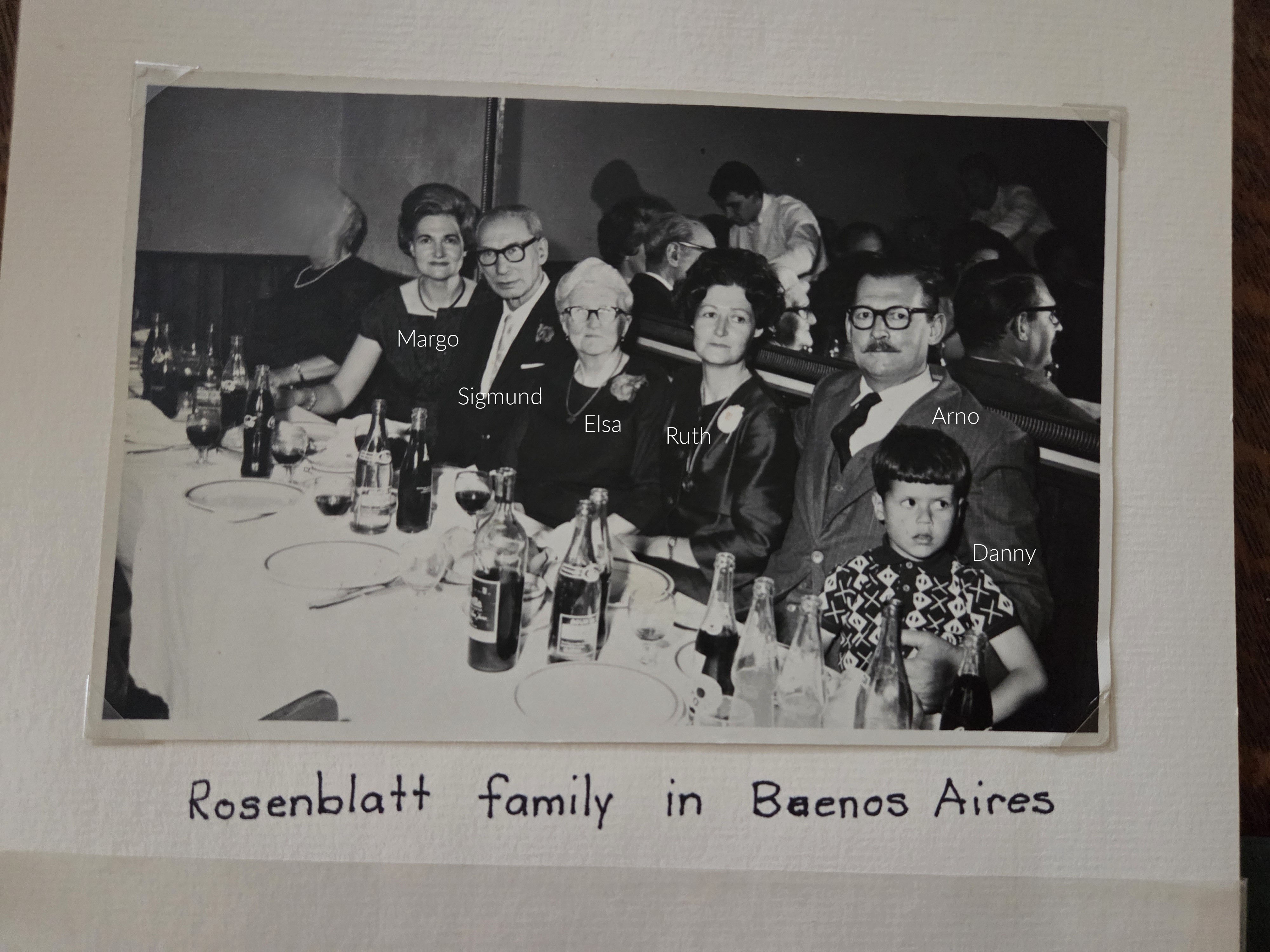
The Rosenblatt family in Buenos Aires: Margot, Siegmund, Else, Ruth, Arno, and Danny. Courtesy of Ellie Roden

I don’t have any records for the family’s life in Argentina, but Ellie was able to confirm that Arno, the oldest child, had a son named Danny, presumably named for his grandfather Daniel Rosenblatt; he must be the young boy in the photo above. Margot, the middle child, married someone named Kurt Oppenheimer; I don’t know whether they had children. And Ruth, the youngest child, may have married someone named Arno Kaufman. I don’t know whether they had children.

I was able to find burial records for Siegmund and Else and for two of their three children in the records for Argentina in the JOWBR at JewishGen.org. Siegmund died on November 3, 1982, and is buried in Buenos Aires.3 His wife Else died on August 11, 1984, and is buried in Buenos Aires.4 Their daughter Ruth Rosenblatt Kaufmann died on January 12, 1989, and is also buried in Buenos Aires.5 Finally, their son Arno Rosenblatt died on December 31, 2008, and is buried in Buenos Aires.6 I was not able to locate a burial record or any other record for Margot, but did locate one for her husband, Kurt Oppenheimer, which named her as his spouse. Kurt died on February 13, 2007, and is buried in the same cemetery as his in-laws.7

I am so grateful to my cousins Julio and Carmen and to Ellie Roden for sharing the photographs and information about the families of Malchen Rothschild Rosenblatt’s three sons, Felix, Julius, and Siegmund. Although the family of Malchen Rothschild and Daniel Rosenblatt suffered terrible losses during the Holocaust, it was uplifting to learn that there are still living descendants living in many countries around the world. I am so grateful for that.


I have now completed the stories of the children of Malchen Rothschild Rosenblatt and will move on to Malchen’s younger sister, Sara Rothschild Adler, and her family. But first a few updates on earlier posts.


  1. Email from Ellie Roden, August 13, 2025. 
  2. Email from Carmen Rosenblatt, September 17, 2025. 
  3. Burial record in the JOWBR database at JewishGen, found at https://www.jewishgen.org/databases/cemetery/jowbr.php?rec=J_ARGENTIN_0199329 
  4. Burial record in the JOWBR database at JewishGen, found at https://www.jewishgen.org/databases/cemetery/jowbr.php?rec=J_ARGENTIN_0199309 
  5. Burial record in the JOWBR database at JewishGen, found at https://www.jewishgen.org/databases/cemetery/jowbr.php?rec=J_ARGENTIN_0164434 
  6. Burial record in the JOWBR database at JewishGen, found at https://www.jewishgen.org/databases/cemetery/jowbr.php?rec=J_ARGENTIN_0199303 
  7. Burial record in the JOWBR database at JewishGen, found at https://www.jewishgen.org/databases/cemetery/jowbr.php?rec=J_ARGENTIN_0189236 

Malchen Rothschild Rosenblatt’s Descendants in the Colonia Avigdor in Argentina

As we saw, Malchen Rothschild and Daniel Rosenblatt’s daughters all were killed in the Holocaust. Their son Julius had died as a young man, leaving behind a young widow Julie Rosenblatt and their infant son Fredi. Julie and Fredi escaped to Uruguay, and thanks to Fredi’s son Julio, I’ve been able to learn and share much of their story.

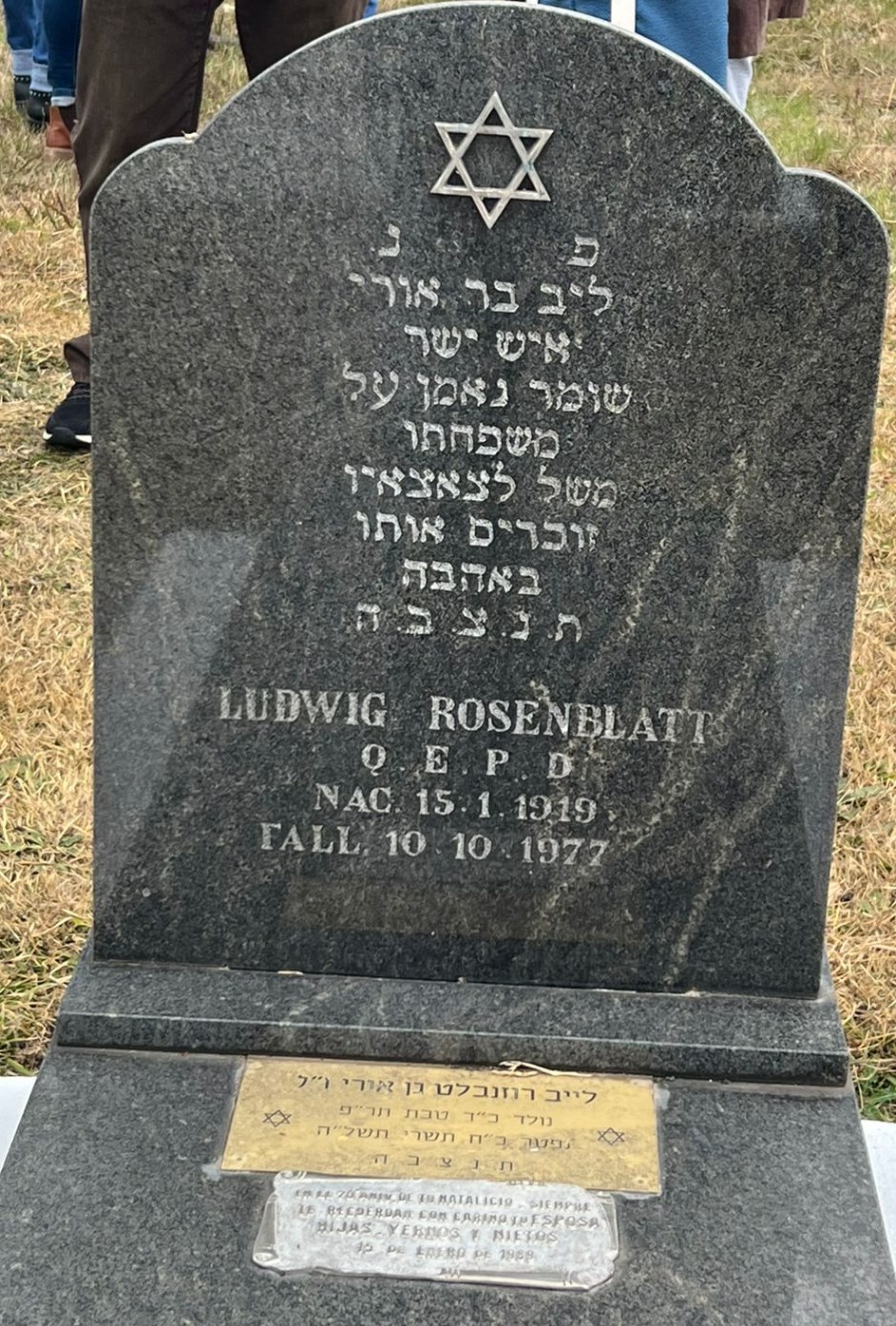
Malchen and Daniel’s other two sons Felix and Siegmund escaped to Argentina, not Uruguay,1 and thanks to the magic of the internet, I am now in touch with Felix’s granddaughter in Argentina, Carmen. I found a photograph of the gravestone of Felix’s son Ludwig Rosenblatt (see below) on JewishGen and posted it on Tracing the Tribe, asking for a translation of the Hebrew inscription. A woman in the TTT group tagged Carmen when she saw my post, and Carmen, Ludwig Rosenblatt’s daughter, responded. Although Carmen doesn’t speak English and I don’t speak Spanish, we’ve managed to communicate, thanks to Google Translate and DeepL.

Carmen shared with me a lecture2 she delivered in 2018 to the Latin American Rabbinical Seminary about the community where her family has lived since 1936 when they immigrated from Germany to Argentina. It is in Spanish, and I’ve used DeepL to translate it and now will paraphrase and take excerpts from the translation to share the story of Carmen’s family and their community. Carmen also filled in other details through email.

As Carmen explained in her lecture, the German philanthropist Baron Maurice de Hirsch formed the Jewish Colonization Association (“JCA”) in the late 19th century to acquire land and create settlements in Argentina for Jews escaping persecution in Russia and Eastern Europe. When Hitler came to power in the 1930s, it became apparent that there was a need for more land and more places for German Jews to escape, so the JCA acquired additional land to create a new settlement called Colonia Avigdor, which is over 300 miles from Buenos Aires.

Thanks to the efforts of the JCA, Jewish families like Carmen’s were able to escape Nazi Germany. I asked Carmen what convinced her grandparents to leave Germany. She wrote that one night her grandfather’s car was confiscated by the Nazis in Zimmersrode, and when it was returned to him the next day, an official in the town told him: “Felix, this is getting very ugly for you Jews, take your family and leave Germany.” Felix replied, “How??? I have to sell my house, my things.” The official replied, “Leave everything, don’t sell anything… nobody is going to pay a Jew.” Felix contacted the JCA and asked for help to leave Germany and move to Argentina.

Carmen’s grandparents Felix and Minna (Goldwein) Rosenblatt and their sons were one of the ten families that first settled in Colonia Avigdor. They arrived in Buenos Aires, Argentina, with their sons Ludwig, then 17, and Siegfried, 20, and their daughter-in-law, Siegfried’s wife Jenny Feilmann, on January 25, 1936. As Carmen explained to me and in her lecture, because the JCA required a family to have five adults to qualify for the settlement program, Siegfried, although only twenty years old, had married Jenny at such a young age in order for the family to qualify.

After a few days in Buenos Aires, Felix, Minna, and their family traveled by train from Buenos Aires to Bovril, the closest train station to Avigdor. From there they traveled the last fifteen miles of the over 300 mile journey “by horse-drawn carts through trees and bushes in the woods along winding paths” to get to their new home. Carmen wrote that they were “full of hope that they would adapt to such a hard life and happy to set foot on land that promised above all FREEDOM and work to build a good future.”

Carmen’s description of their early lives cannot be paraphrased adequately; here is how DeepL translated her words:

Each of the settlers was allocated 75 hectares of land and a poorly constructed house made of mud-covered bricks with a dirt floor, two rooms, one kitchen, one veranda, and a bathroom at the back, about 10-15 meters away from the house. In each house, they found a bag of hard “cookies” (country bread), several days old… as well as some work tools, a few cows, some horses, some chickens… The next day, they got to work, first clearing the yards of wild trees, then the fields so they could plant them, building fences to divide them. It was very hard work, but as I said, they were happy because they had hope for progress. The women devoted themselves more to the tasks in the yard, tending to the chickens and other poultry, milking the cows for the milk they consumed, in addition to their household chores. They had to knead the bread in wood-fired ovens, whose mouths opened into the kitchen…

They say that at first, these women did these tasks crying practically all day (and at night too) because of the precarious conditions around them… there was no electricity, the lamps were kerosene… there were no refrigerators, no appliances whatsoever. And it should be emphasized that they came from an advanced civilization in Germany… Some, those who came from small towns, adapted more easily, but those who came from cities such as Berlin, Munich, Frankfurt, etc., of which there were many… found it extremely difficult, or simply could not get used to it…

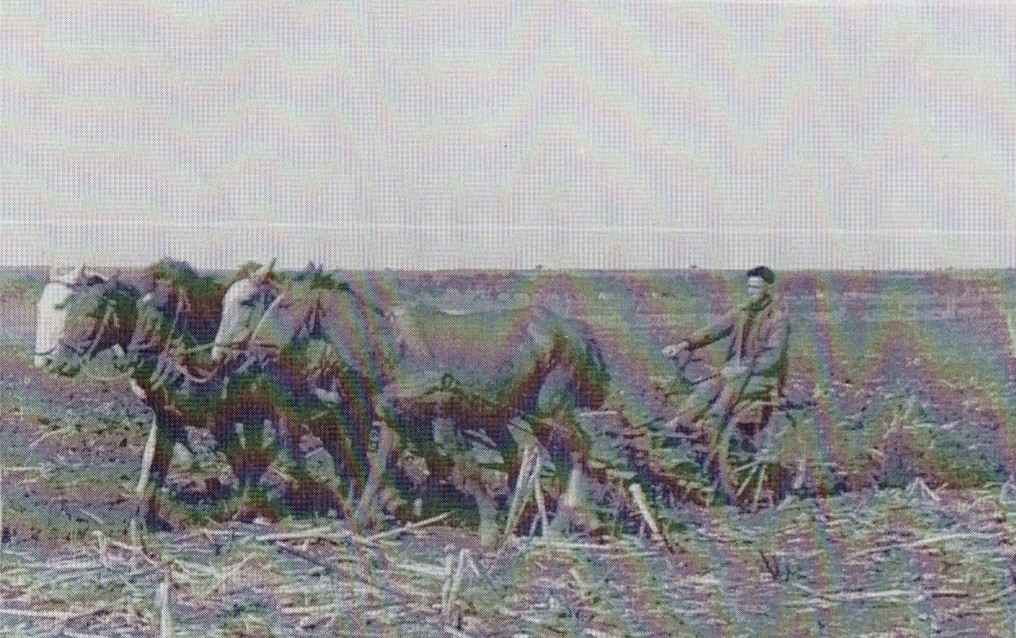
Colonists plowing the land
Courtesy of Carmen Rosenblatt

A colonist’s yard
Courtesy of Carmen Rosenblatt

Children coming to school
Courtesy of Carmen Rosenblatt

The community grew as more and more refugees came from Germany; eventually there were about 120 families. The settlers engaged in many forms of agricultural work: dairy, livestock, farming, gardening, and beekeeping. They established a cooperative to market their products. A school was established by the JCA, and there was a post office, a synagogue, a kosher butcher, and a Hebrew teacher. There was even a small hospital to provide health care to the settlers and a social center for dances, theaters, and orchestral performances. Land was also set aside for a cemetery.

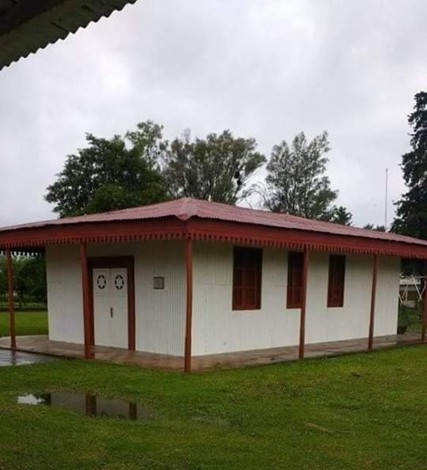
The synagogue in Colonia Avigdor
Courtesy of Carmen Rosenblatt

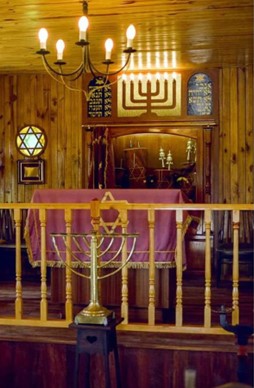
Interior of the synagogue
Courtesy of Carmen Rosenblatt

But conditions remained fairly primitive for a long time. It wasn’t until 1971 that there was electricity in the colony, and there were only dirt roads until 1987. Despite all these challenges, Felix and Minna and their children remained at Colonia Avigdor, working hard to achieve their dreams.

Their younger son Ludwig Rosenblatt married Ruth Plaut, another refugee from Germany, in 1944. They had two children, Carmen and her sister Alicia. Ludwig’s older brother Siegfried and his wife Jenny also had two daughters, Miriam and Lenore.

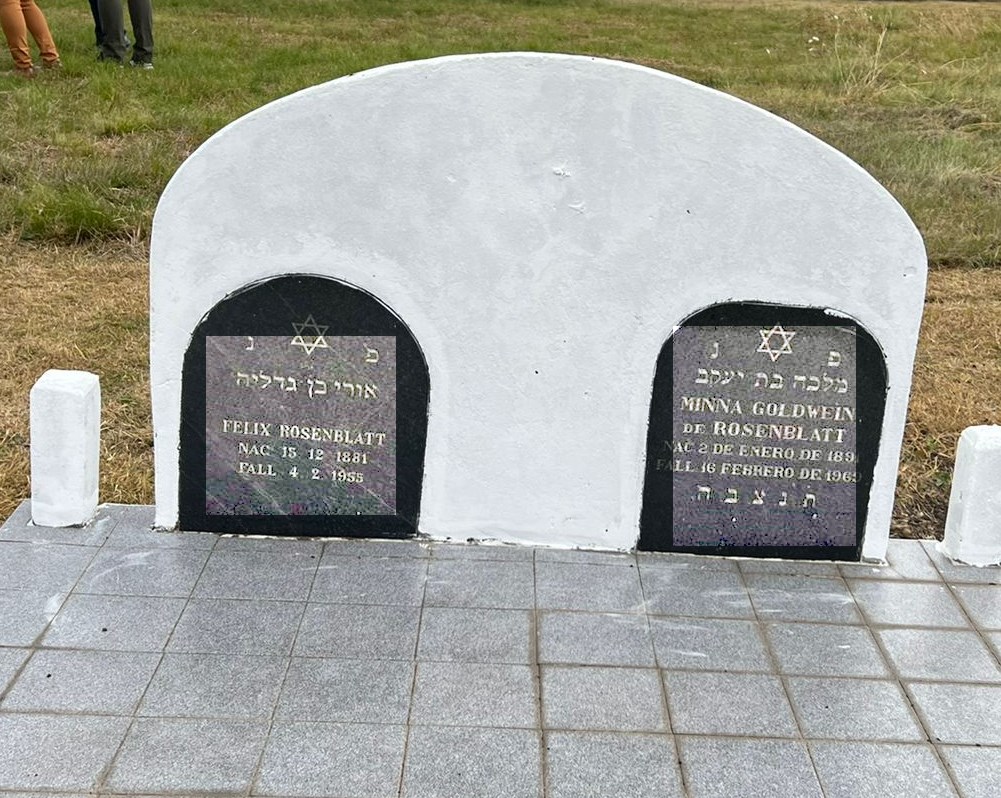
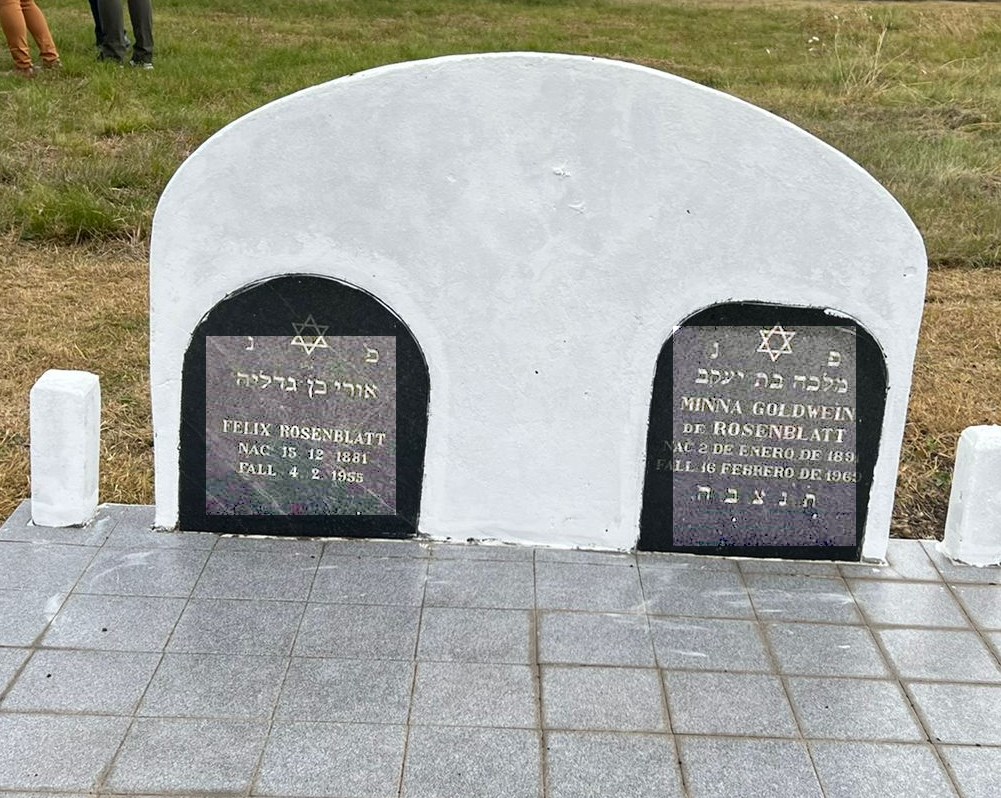
Felix Rosenblatt died on February 4, 1955, and is buried at the Centro Unión Israelita de Colonia Avigdor cemetery in Colonia Avigdor, Argentina, as is his wife Minna Goldwein Rosenblatt, who died on February 16, 1969. Here is a photograph of their gravestones.

Felix and Minna Rosenblatt headstones from JOWBR database, found at https://data.jewishgen.org/imagedata/jowbr/ARG-06046/WA0125.JPG

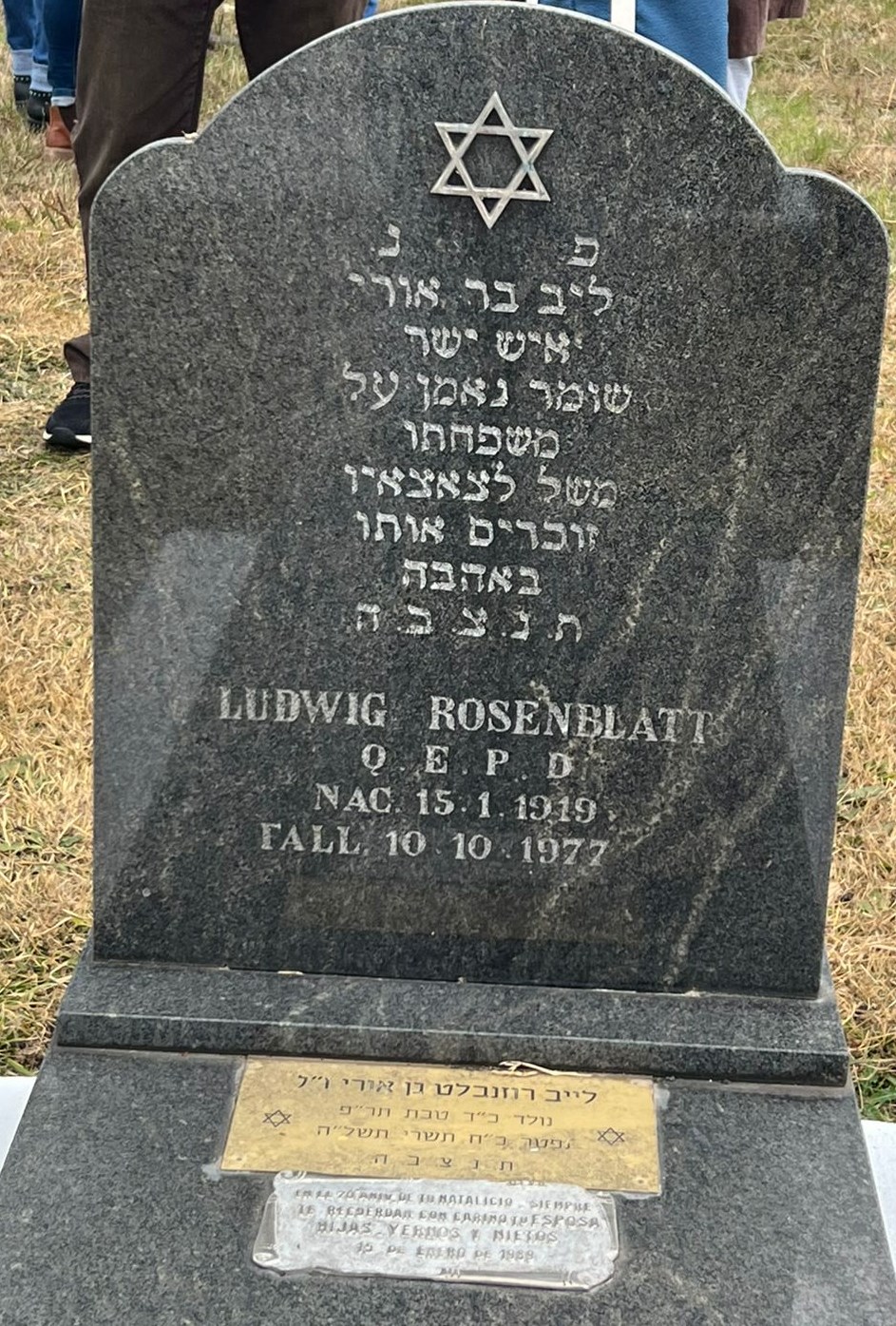
Their son and Carmen’s father Ludwig Rosenblatt died on October 10, 1977, and is buried at the same cemetery as his parents. He was only 57 when he died. As translated by the kind people at Tracing the Tribe, the Hebrew reads: “Here [lies] buried / Leib son of Uri / a reputable man / a faithful protector of / his family / an example for his descendants / [we] remember him with love / may his soul be bound in the bond of [eternal] life.”  The footstone engraving in Spanish mentions his wife, children, and grandchildren; it was placed there on the occasion of what would have been his 70th birthday on November 15, 1989.

Ludwig Rosenblatt headstone at JOWBR database, found at https://data.jewishgen.org/imagedata/jowbr/ARG-06046/WA0143.JPG

As for Siegfried Rosenblatt, Felix’s other son, he died on October 23, 2004, and is buried at Cementerio Israelita De San Vicente Cordoba, in Cordoba, Argentina; he was predeceased by his wife Jenny Feilmann who died on May 23, 1978, and is buried in the same cemetery.3 Their daughter Lenore, who was born on November 2, 1940, died on April 27, 2001.4

Carmen still lives in Colonia Avigdor with her husband Abraham Isaac Kogan, whom she married almost 58 years ago. They had two sons, one of whom passed away; the other still lives in Argentina, but not in Colonia Avigdor. Today there are only about twelve Jewish families left in Colonia Avigdor because many people left long ago to live in the cities. Carmen wrote, “These days, basic services such as electricity, water, roads, television, communications, etc. are practically comparable to those in cities… the precariousness has been overcome… but let’s not forget that since the founding of Avigdor in 1936, 82 years have passed… and the vast majority have left…”

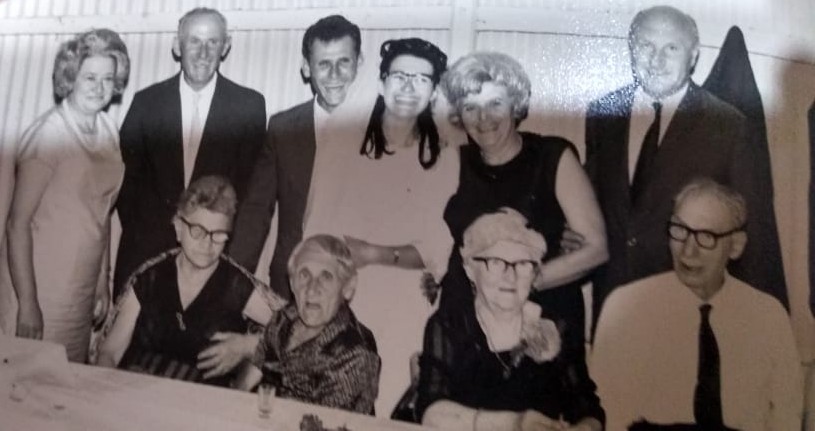
Carmen generously shared with me some photographs of her extended family. This photograph was taken at her wedding in 1967.

Photograph taken at Carmen Rosenblatt’s wedding to Abraham Kogan in 1967, courtesy of Carmen Rosenblatt. Standing from left to right: Ruth Plaut, Carmen’s mother; Ludwig Rosenblatt, Carmen’s father; Abraham Isaac Kogan; Carmen Alexander; Jenny Feilmann, wife of Siegfred Rosenblatt; Siegfried Rosenblatt, Carmen’s uncle Seated: Family friend,\; Minna Goldwein, Carmen’s grandmother; Else Schwab, wife of Sigmund Rosenblatt; Sigmund Rosenblatt, Carmen’s great-uncle.

This more recent photograph was taken in 1981 on the occasion of Carmen’s son’s bar mitzvah. I think it illustrates how Jewish traditions are similar all over the world. This photograph could have been taken at any bar mitzvah in the US in 1981, and it would have looked very much the same.

Abraham Kogan, Andres Kogan, Carmen Rosenblatt, Marcelo Kogan, 1981. Courtesy of Carmen Rosenblatt

Carmen’s story has given me a new perspective on the lives of those who escaped from Nazi Germany. It’s hard to imagine how they adapted to such a hard life—a precarious one, to use Carmen’s word. They were coming from a place where their ancestors had lived for centuries to a primitive place, far from any city, where people spoke a language they didn’t know, and they had to live according to the rules and subject to the authority of the JCA—and yet they were filled with hope and grateful for the chance to survive and live freely.

All this reminds me to be grateful for what I have and to empathize with all those around the world who are forced to abandon their homes in search of a safer and better life.


  1. Although they came from different villages in Germany and ended up in different countries in South America, the Rosenblatts in Uruguay and the Rosenblatts in Argentina have stayed in touch and even visited each other over the years. Julie Rosenblatt was a first cousin to Felix and Siegmund as well as their sister-in-law. 
  2. Carmen Rosenblatt, unpublished lecture, “Immigracion de Judio Perseguidos en Alemania, Colonizados en Los Campos de Colonio Avigdor (Entre Rios),” (September 2018). 
  3. See burial records at the JOWBR database at JewishGen, found at https://www.jewishgen.org/databases/cemetery/jowbr.php?rec=J_ARGENTIN_0036804 and at https://www.jewishgen.org/databases/cemetery/jowbr.php?rec=J_ARGENTIN_0036805 
  4. See burial records at the JOWBR database at JewishGen, found at https://www.jewishgen.org/databases/cemetery/jowbr.php?rec=J_ARGENTIN_0071081