
The youngest child of Meier Rothschild and Bertha Lorge was their daughter Anna. And unlike with her older siblings, I was able to learn where she and her family were in the 1930s and 1940s. I found the Palestine immigration files for Anna, her husband (and my cousin) Julius Hamberg, and for two of their three children, Alice and Ernst, on the Israel State Archives website. They all had immigrated from Germany to Palestine in 1934 when Alice was twelve, Hans Leo was eleven, and Ernst was eight. Here are two pages from Julius Hamberg’s application that show their date of immigration.
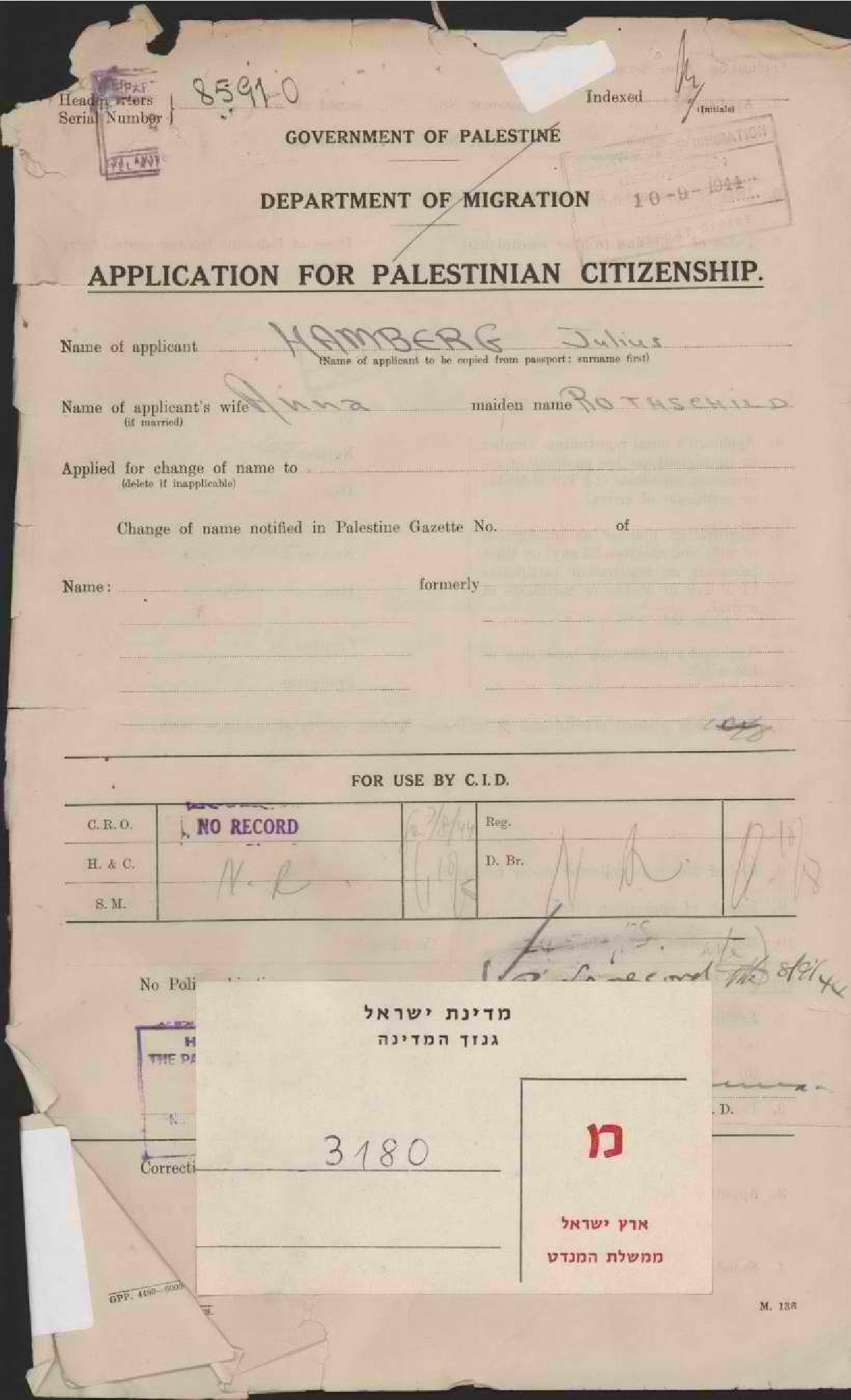
Julius Hamberg, Palestine immigration file found at the Israel State Archives, https://www.archives.gov.il/
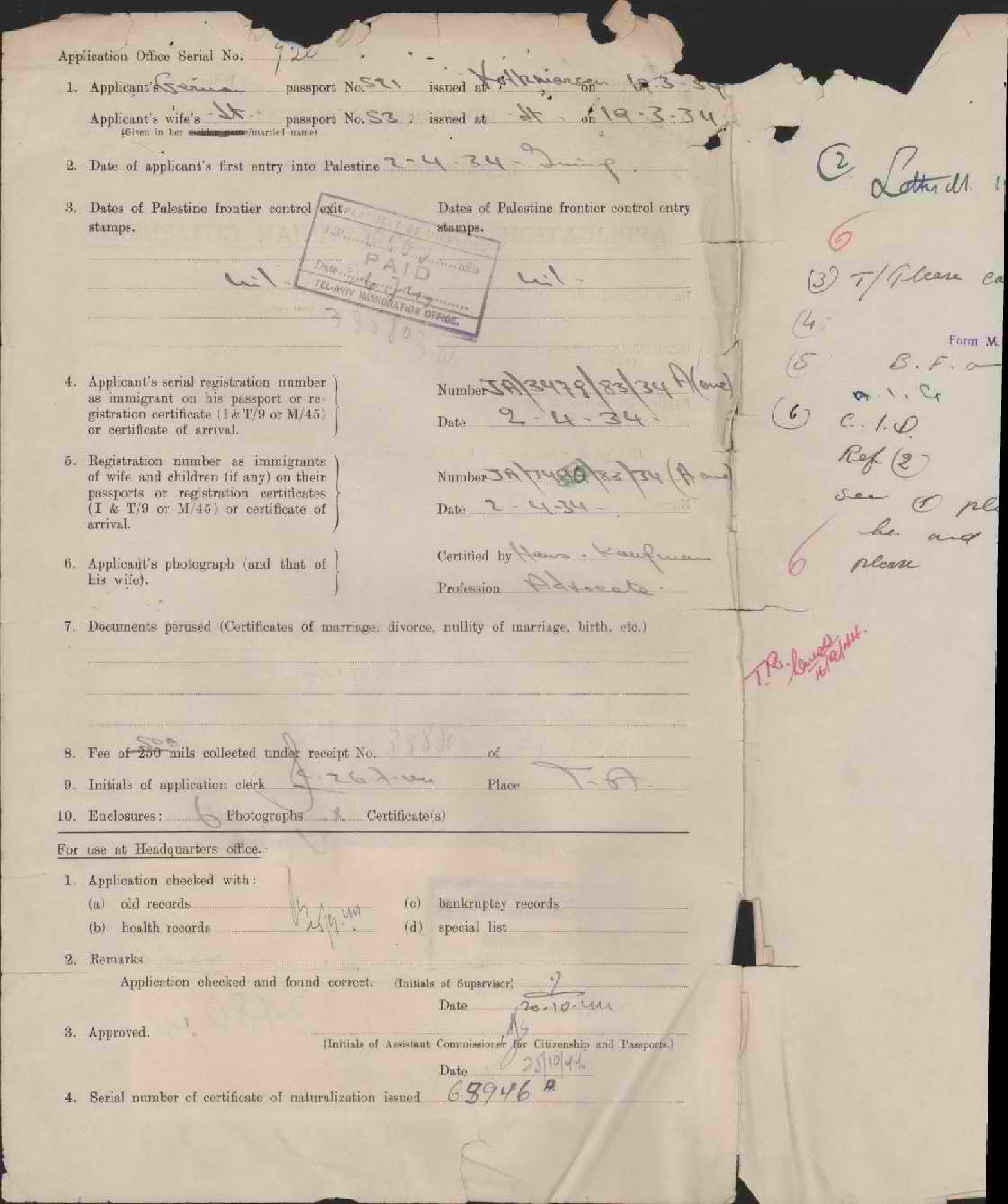
Among the interesting things I learned from these immigration files is that Julius listed his occupation as a “commission agent,” meaning most likely a broker who handled commercial sales for sellers and buyers, Alice was a children’s nurse, and Ernst was an agricultural laborer.
Here are the photos of them from their immigration files:
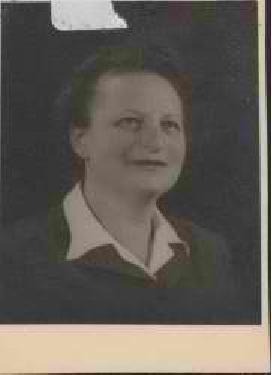
Anna Rothschild Hamberg, found at https://www.archives.gov.il/
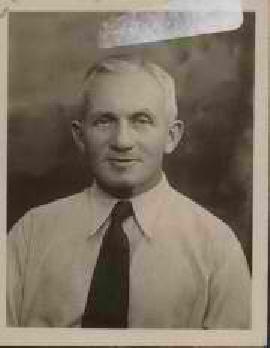
Julius Hamberg, found at https://www.archives.gov.il/
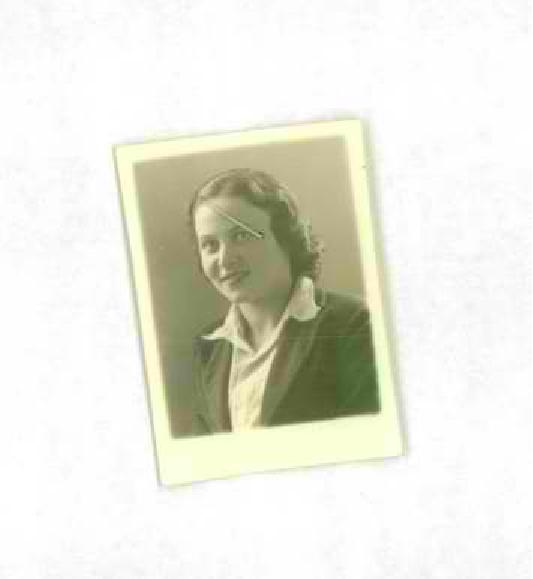
Alice Hamberg, found at https://www.archives.gov.il/
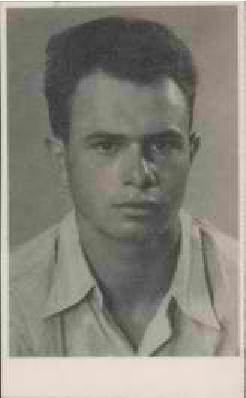
Ernst Hamberg, found at https://www.archives.gov.il/
I was not able to find a Palestine naturalization file for Hans Leo Eliezer Hamberg, but he was mentioned in his father Julius’ file when Hans later sought immigration to Israel in 1990 under the Law of Return and had to establish his Jewish identity to qualify. Although I cannot find him elsewhere, I assume Hans Leo Eliezer must have come to Palestine in 1934 with his parents since he was just a young boy; he perhaps left Palestine/Israel at some point and then wanted to return in 1990.
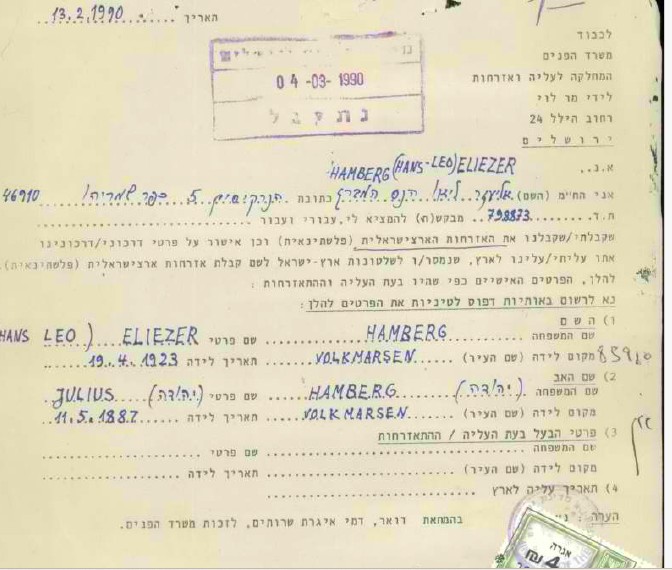
Hans Leo (Eliezer) Hamberg mentioned in Julius Hamberg’s immigration file, found at https://www.archives.gov.il/
As an aside, the fact that Anna Rothschild Hamberg and her family arrived in Palestine in 1934 helps to understand how Helene/Hana Rothschild, Berthold’s daughter, was more able to come to Palestine in 1937 without her sister or her father (her mother had died). She had an aunt, her father’s sister, living there so did have family already established in the country.
Returning to the family of Anna Rothschild Hamberg, a letter in her daughter Alice’s file from when she was applying for naturalization in 1941 includes the sentence: “The applicant came to Palestine together with her parents and on the ppt [passport] of her father, whose whereabouts she does not know.” Alice was nineteen at that time, and her family had been in Palestine since 1934. Where could Julius have gone? Or is the writer of the letter referring to her father’s passport and its whereabouts? I think that seems more likely, but the sentence is certainly poorly drafted.
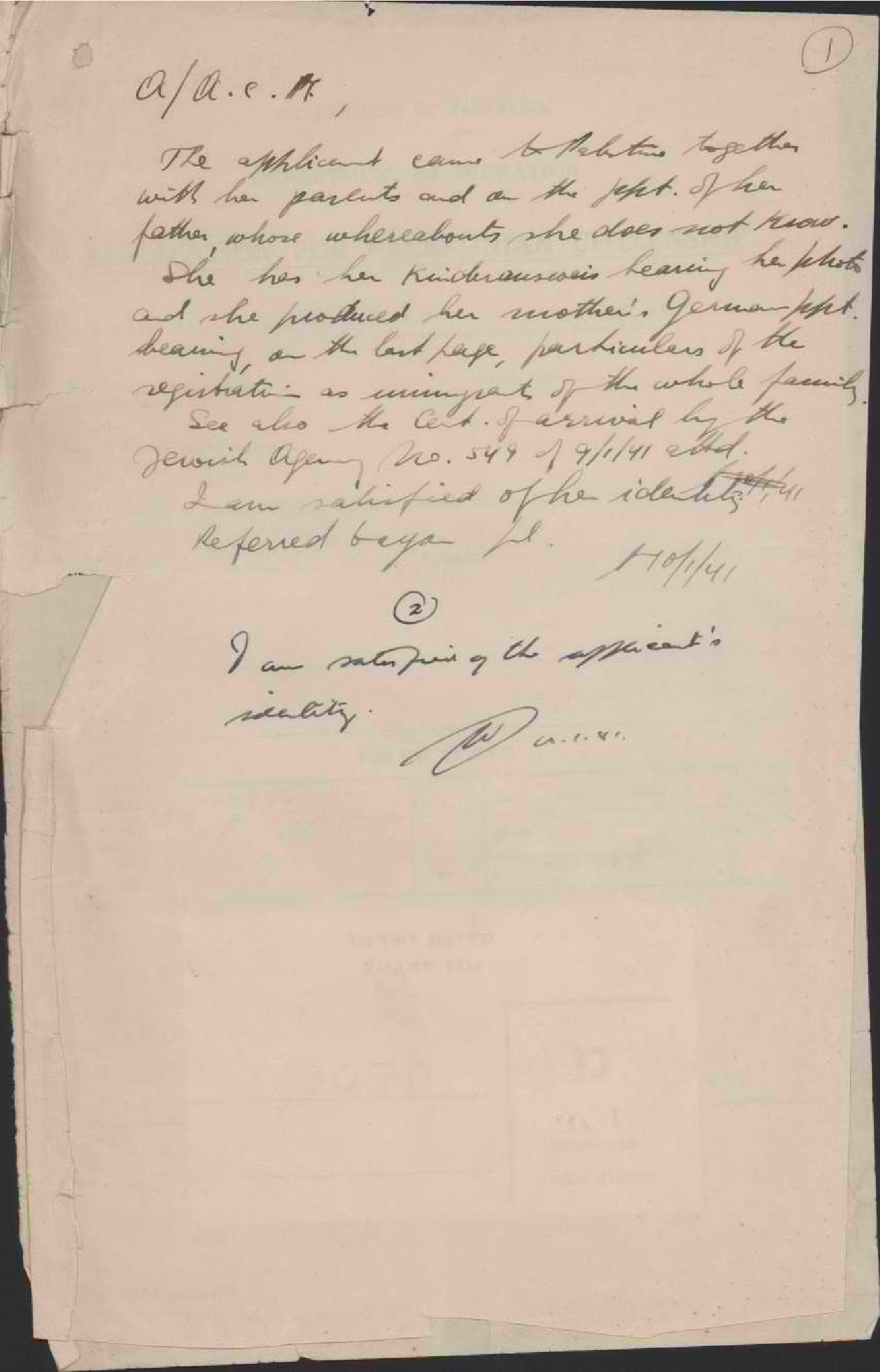
Letter in Alice Hamberg’s Palestinian immigration file, 1941, found at https://www.archives.gov.il/
On IGRA I found the marriage record of Alice Hamberg to Fritz Shalom Mayer on February 10, 1947, in Tel Aviv, Israel. Fritz was 35 at the time, Alice was 24. Fritz was the son of Gerson Leo and Alza Sara Mayer, according to the marriage record.
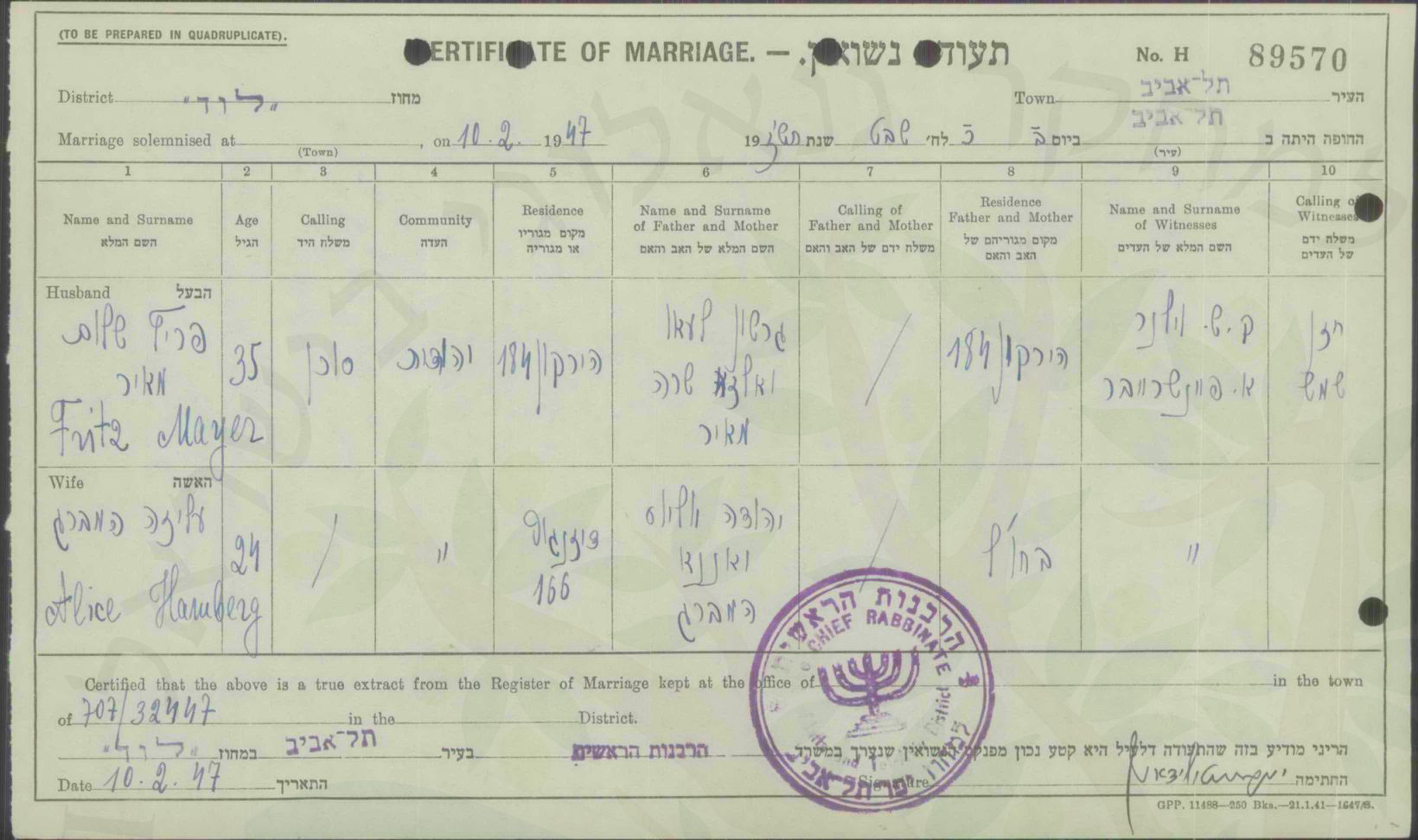
Alice Hamberg and Fritz Shalom Mayer marriage record, found at https://genealogy.org.il/AID/
At this point I have not found any further records for Anna, Julius, or any of their children. Perhaps a descendant will find me and fill in the gaps.
This brings me to the end (for now) of my attempt to learn about the children of Meier Rothschild and Bertha Lorge. There is so much I still don’t know. What I do know is that all five of their children and all of their grandchildren survived the Holocaust, except Berthold’s ex-wife Sarah, who died in a sanatorium in Germany.
Berthold himself ended up in South Africa where he died in 1964, and his daughter Adelheid survived the concentration camp at Celle/Bergen Belsen and ended up in Israel after the war. His daughter Helene/Hana escaped to Palestine in 1937.
Theodor Rothschild and his wife Bettina ended up in Monaco, and their daughter Doris died in France. I don’t have further records for their daughter Ellen.
As for Gertrud Rothschild Neuhahn and her husband Gustav and daughter Ruth, I know they were in Tel Aviv for some time, but Ruth and her children ended up in Mexico later on.
Siegfried and his wife Gisela are buried in Israel, their son Zeev died in British Columbia, and their son Gunther Michael lived in the United States.
Finally, Anna Rothschild Hamberg and her husband and children immigrated to what was then Palestine in 1934.
So Meier and Bertha’s children and grandchildren were not killed by the Nazis, but they ended up spread to all corners of the earth: Israel, France, Monaco, Mexico, Canada, South Africa, and the United States. They may have survived the Holocaust, but their family was torn apart forever. They also were therefore all victims of the Holocaust.
With this final chapter in story of the children of Gelle Blumenfeld and Simon Rothschild, I have also closed the chapter on Gelle’s father Moses, the first of the six children of my four-times great-grandparents Abraham Blumenfeld and Geitel Katz. I started this particular chapter of the Blumenfeld family over four years ago, and now I can finally move on to the second child of Abraham and Geitel, their daughter Sprintz.


I believe it meant the whereabouts of the father’s passport as the text continues with a list of other records she produced: her child’s passport, her mother’s passport, and the certificate of arrival.
LikeLiked by 2 people
I agree—but the way the sentence was written sure was confusing! It did send me down a bit of a rabbit hole for a while, wondering where her father had disappeared to!
LikeLiked by 2 people
It’s our questions and need for answers that send us down rabbit holes. I’ve been down plenty of my own but they were never a waste of time.
LikeLiked by 2 people
So true…and it’s also what makes this whole enterprise fun and challenging.
LikeLiked by 2 people
So happy you were able to find the records you needed for Anna and her family. And yes, though they survived the Holocaust, being forced to flee your country of birth and rebuild a life elsewhere, away from your parents/siblings, must have been terrible for so many families.
LikeLiked by 1 person
Some don’t consider those who survived to be victims of the Holocaust, but to me they are in addition to the six million who were killed.
LikeLike
Yes, you are right that even the survivors were victims. Not just for having scattered families, but for all the fearful things they had to live through, the stress of escaping hatred, etc.
LikeLiked by 1 person
Exactly.
LikeLiked by 1 person