Part II: Hettie Schoenthal, An Indomitable Spirit

In my prior post, we saw how Hettie Schoenthal Stein described the early part of her life in the memoirs she wrote to her grandson Ezra Parvin Lippincott, Jr., in 1973 and 1974.  After a childhood in Atlantic City with her many siblings, she had followed her sister Gertrude to Tucson, Arizona, married Henry Stein, and then moved with him and their two children Walter and Blanche to Ray, Arizona, a mining town over ninety miles from Tucson.
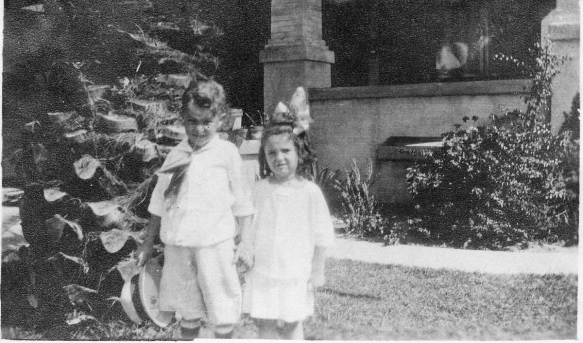
Walter and Blanche Stein, c. 1915 courtesy of their family

Walter and Blanche Stein, c. 1915
courtesy of their family

The FamilySearch.org website provided these insights into what might have attracted Hettie and Henry to Ray, Arizona:

The small town of Ray, Arizona, located in the south central portion of Pinal County, was founded in 1870.  By 1873, prospectors were engaged in silver mining and by 1880 high grade copper ore was being mined in Ray. The original founders were most likely a group of copper miners operating a small mine in this copper rich area. One of the miners, Mr. Bullinger, is said to have named the town Ray, after his daughter, Ray Bullinger. By 1909 The Arizona Hercules Copper Company had purchased the rights to the mine and constructed the town as a company town.  The mining operation in Ray enjoyed a worldwide reputation because of the innovative mining practices employed in the underground mine.

Ray, Arizona copper mine y Palmercokingcoal (Own work) [CC BY-SA 4.0 (http://creativecommons.org/licenses/by-sa/4.0)], via Wikimedia Commons

Ray, Arizona copper mine 1916
y Palmercokingcoal (Own work) [CC BY-SA 4.0 (http://creativecommons.org/licenses/by-sa/4.0)%5D, via Wikimedia Commons

The FamilySearch page also conveys a sense of what life was like in Ray in the early 20th century:

The original town of Ray consisted of one short main street with small businesses on both sides of the street. By 1909 the company had constructed a hospital and there are birth certificates from the hospital that date back to 1910. There was usually a doctor in Ray and the hospital employed at least 3 nurses and a cook according to Census Records. …  The elementary school (Lincoln Elementary) had grades 1 through 8 in eight classrooms. …. Ray High School was a short walk uphill from the elementary school.  ….  Ray didn’t have a newspaper, but people in the small town subscribed to The Arizona Republic, a newspaper in Phoenix. Ray had four churches….

Obviously, Ray was a booming town by the time Hettie and Henry moved there in the mid-1910s or so.

Ray, Arizona 1916 By Palmercokingcoal (Own work) [CC BY-SA 4.0 (http://creativecommons.org/licenses/by-sa/4.0)], via Wikimedia Commons

Ray, Arizona 1916
By Palmercokingcoal (Own work) [CC BY-SA 4.0 (http://creativecommons.org/licenses/by-sa/4.0)%5D, via Wikimedia Commons

Walter, their son, wrote about his own perspective on the town and his family’s life there:

To my knowledge the Steins and Millers were the only Jews living in Ray. My uncle Jake [Jacob Miller, Gertrude Schoenthal’s husband] and his brother, also called Uncle, had a dry goods and shoe store, and a general merchandise and grocery store. The general merchandise had hardware, mining equipment, farm equipment, guns, and shells. My dad ran the bakery and delivery of bread and pastries from a wagon, pulled by a horse (named Tom). One day my dad stopped for lunch at home with the bakery wagon. While he was having lunch, something frightened Tom and he bolted. There were bakery products all over the neighborhood. Tom was caught and calmed. Tom was not hurt.

My cousin (Harry) [Gertrude Schoenthal Miller’s son] used to spend the summer in Ray. He lived in Tucson and went to school there. While in Ray, Harry worked in the store. His job was to solicit orders at the houses in the residential sections of Ray. This was done on horseback.

The big event at the grocery store was uploading one hundred pound bags of flour, sugar, and salt that were skidded into the cellar on a slide. Lots of fun! We kids rode on the bags.

(From “Recollections,” by Walter Stein.)

From this excerpt, I get the impression, consistent with what I wrote about here, that Jacob Miller had moved to Ray, but left his wife Gertrude and family behind, perhaps so that his children could continue to go to school in Tucson.


Ray, Arizona 1916 By Palmercokingcoal (Own work) [CC BY-SA 4.0 (http://creativecommons.org/licenses/by-sa/4.0)], via Wikimedia Commons

Ray, Arizona 1916
By Palmercokingcoal (Own work) [CC BY-SA 4.0 (http://creativecommons.org/licenses/by-sa/4.0)%5D, via Wikimedia Commons


Walter’s description of his boyhood in Ray in many ways sounds idyllic:

I got in the swing of things, with friends I had made. Rode burros, mules, and spent plenty of time in the ball park. The burros ran loose, so you could grab one and jump on his back. If the burro was inclined to go, it was fine. If not, the burro would not move.

The mules were used at the copper mines. My friend Joe Garcia (his father took care of the mules) and I would go to the corral. One of us would bring one of the mules over to the side of the corral. The other one would climb up the side of the corral as the mules were too big for us to get on.

One thing that was standard at every house we lived in in Ray was a chicken coop with two to three dozen chickens and one or two roosters. Of course it does not take too many guesses as to who was assigned the care, feeding, and cleaning of the coop. Also a couple of rabbits and a dog (pedigree unknown).

(From “Recollections,” by Walter Stein.)
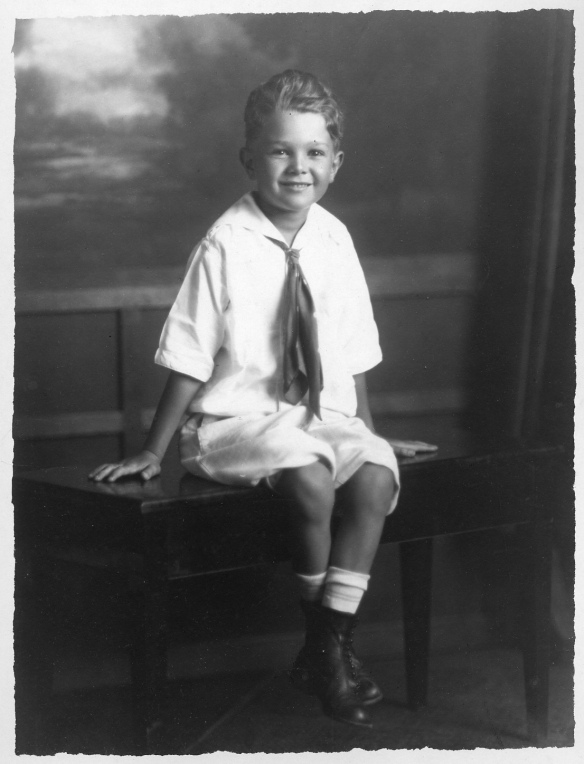
Walter Stein, c. 1919 when he was nine years old courtesy of the family
Walter Stein, c. 1919 when he was nine years old
courtesy of the family

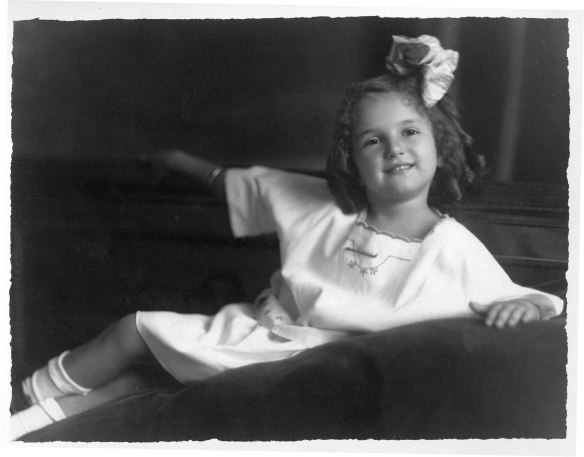
Blanche Stein, c. 1920, when she was seven courtesy of the family

Blanche Stein, c. 1920, when she was seven
courtesy of the family

From Walter’s perspective, it was wonderful place to grow up, but their life in Ray had some challenges.  Walter described their two homes in Ray:

Our first house was placed on the side of a hill with one door. The back of the house was against the hill. To reach the house you walked up steps that also took care of other householders on the hill. I cannot remember the location of the outhouse. I do remember to bathe, water was heated on the stove and then poured into a galvanized tub that had been placed on the floor.

We didn’t live there very long. Our next house was in back of the ball park. This house had both front and back doors. Standard out house. No bathroom. After we had lived there a short time, Dad had a bathroom built. Still must use out house. Bathroom contained washstand and tub. In summer to bathe, one ran water into tub, and then waited for the water to cool. The water pipes from the reservoir laid on top of the ground and the sun heated the water too hot to bathe until it cooled.

(From “Recollections,” by Walter Stein.)


Embed from Getty Images

Hettie[1] had less fond memories of their house in Ray:

I will tell you a little about the house. It was up on a hill, just four rooms no bath or toilet. It was terrible. I did not think I could live there, but we did. Your grandfather and a helper built a room and we bought a tub. The pipes had to be on top of the ground. Well, the sun was so hot we had to draw the water and let it stand for hours before bathing.
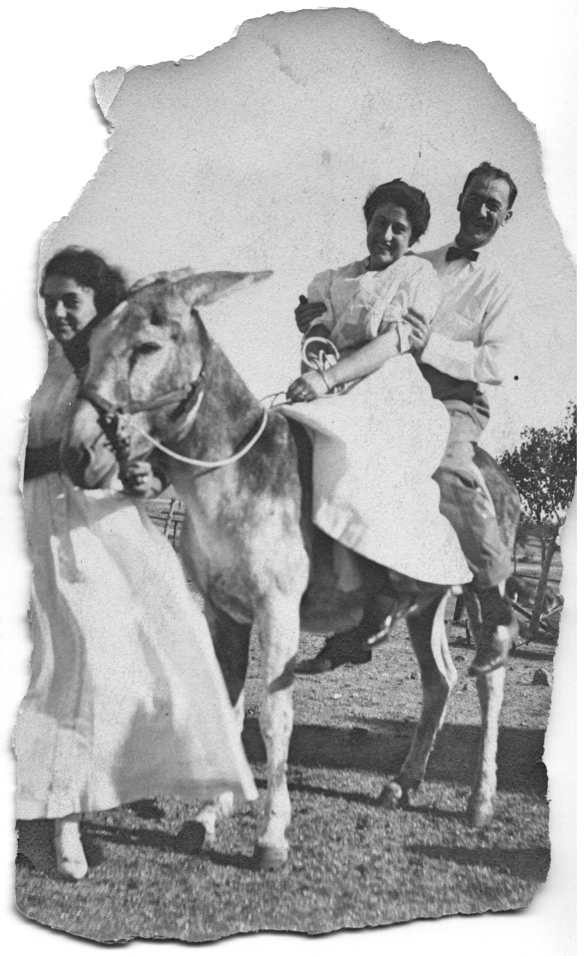
Hettie leading a donkey

Hettie leading a donkey

The accommodations were not the only challenges.  The wildlife and the weather also provided challenges.  Hettie recalled:

One day I was stung by a wasp and another time a Scorpin this happened in Ray Ariz. We lived up on a hill. We had a few chickens and it was so hot some time when I gathered they were hard boiled and this is (no joke)

Once I remember I came across some eggs in a nest and I took them and put them in the ice box. In those days we had to buy ice. A little later on I opened one egg and found a little chicken so I hurried and put the others back in the nest and a few hatched and I called them my ice box chicks. …

I learned to ride horseback. One day my brother Maurice took me riding. We rode to the Mission that was about ten miles out of town and a big rattle snake got in front of my horse, so my bro. got down from his horse and stoned it to death and had a belt made for me. It was very pretty.

English: Arizona Black Rattlesnake

English: Arizona Black Rattlesnake (Photo credit: Wikipedia)

I found it interesting that Maurice, one of the brothers who lived in Chicago, traveled out to Ray, Arizona, to see his little sister Hettie.  It seems that even though the siblings were quite spread out across the US, they still stayed in touch and even saw each other. Hettie also mentioned that in 1969 she visited her brother who lived in Los Angeles, that is, her younger brother Sidney.  And here is a photograph of her brother Martin with his niece Juliet Miller and nephew Walter Stein, possibly taken in Arizona when he visited from Chicago.
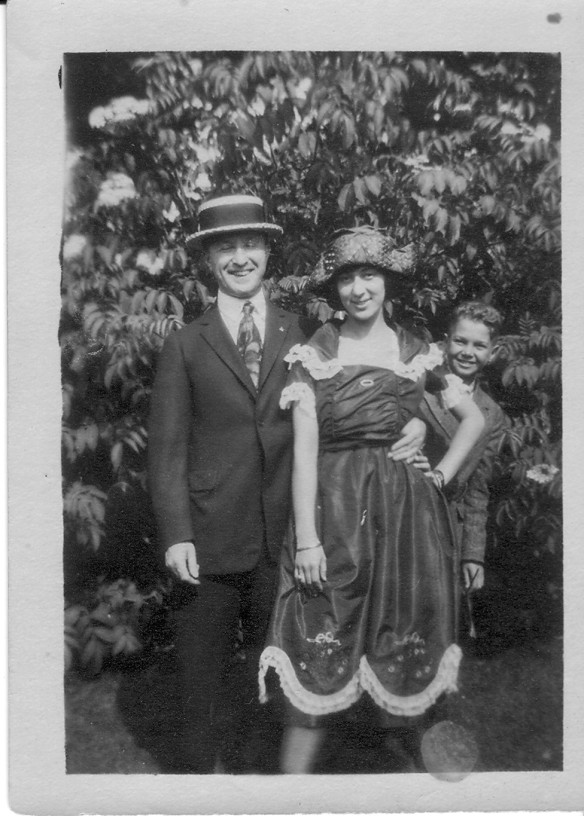
 

Martin Schoenthal, Juliet Miller Ferrin, and Walter Stein

Martin Schoenthal, Juliet Miller Ferrin, and Walter Stein


Here is Martin with Blanche, Gertrude, Hettie, and Walter.
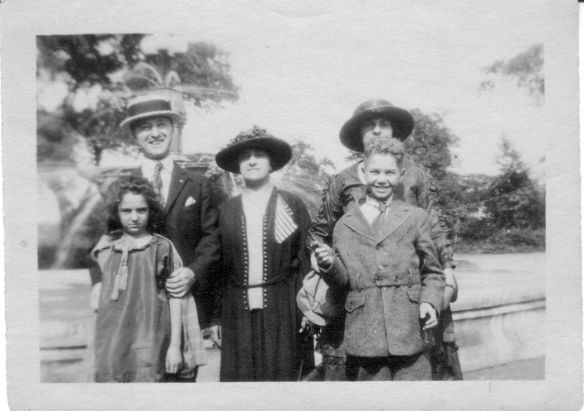
Martin Schoenthal, Gertrude Sch., Hettie Sch Blanche Walter

Blanche Stein, Martin Schoenthal, Gertude Schoenthal Miller, Hettie Schoenthal Stein, and Walter Stein c. early 1920s


One of the most amusing anecdotes Hettie shared in her memoirs involved the time her son Walter had to have surgery in Phoenix and she rented a room to stay with him while he had post-operative care:

After Walter got out of the Hospital I thought it would be nice if I could get a little apt near the Hospital as he had to go for treatments. Then I could have Blanche with me, so I found one. It had all new linens and silver and looked so nice. Your grandfather [Henry Stein] brought your mother [Blanche] up that weekend and the next day he was walking in the hall and a girl invited him in her apt. Then when he came in he said what kind of place I was in. Well, I was in a fast house. The first day I was there when Walter and I came out of the apt a couple of men smiled at me and I thought it was just because Walter’s head was bandaged. In the west people were very friendly. A lot of people asked me what happened to the boy and wished for a speady recovery. I moved out of there in a hurry.

Poor Hettie—she must have been mortified to realize she had taken her son to a “house of ill repute!”

In either 1923 or 1924 (various sources differ), Hettie, Henry, and their children left Ray, Arizona.[2]  This was also when Gertrude and her family left Arizona to return to Atlantic City, as I wrote about here.  Hettie’s description of their travels is colorful:

Now it is March 24, 1924 we are leaving the west to make our home in Phila. My brother-in-law [Jacob Miller] and your grandfather [Henry Stein] were driving to Phila. I forget what city it was but they put the car in a garage and it caught fire and every body lost there cars.

They had to take the train the rest of the way. When they arrived in Phila, they phoned us. We left the next day and a couple days later we had one stop over for one hour so my sister Gertie, your mother [Blanche] who at that time was about 12 years old and Walter took a walk. We were crossing the street when a car came along and I was run over. It was like in the movies. I was down and before you knew it I was up. All I could say is Thank God I am O.K. one wheel ran over my thigh. This man wanted to take me to the hospital but I said no. I think he gave me a card with his name and address on so in case I had any ill affects from it I should let him know. When we got to Chicago my two brothers [Maurice and Martin] wanted me to go to the hospital but I said I am O.K. I know God was with me.

(Perhaps the photographs of Martin with Gertrude and Hettie, shown above, were taken when the families stopped in Chicago.)

A few things struck me as interesting about this passage.  First, I was impressed by the fact that Gertrude and Hettie traveled alone by train with their children across the country while their husbands waited for them on the East Coast.  Also, once again there is evidence that these widely separated siblings stayed close, as Maurice and Martin, the two brothers in Chicago, urged their younger sister to go to the hospital.  But mostly I was struck by Hettie’s spirit, which seemed as resilient as her body, jumping up after being run over by a car.

Once they reached the East Coast, Gertrude went on to Atlantic City where she and Jacob became involved in the hotel business.  Hettie and Henry settled in Camden, New Jersey, and then in Philadelphia:

My sister husband and your Grand father bought a moving picture house in Camden N.J. we had that for a while then sold it and moved to Holmesburg Pa. that is part of Phila. I was the cashier, your grandfather was the ticket taker and your uncle Walter helped the operator. We all got along nicely.

I had lots of fun. There were three German men who came most every night so one night I said in german do you speak german? Well you should have heard them. I made them understand I only knew a few words but my husband understood better. They told me they came to learn the English language.

Hettie, the daughter of two German immigrants, knew only a few words of German.  In some ways, that is rather remarkable as it indicates how fluent her parents were in English.  But it is also somewhat sad that they did not pass on to their children the language of their native country.
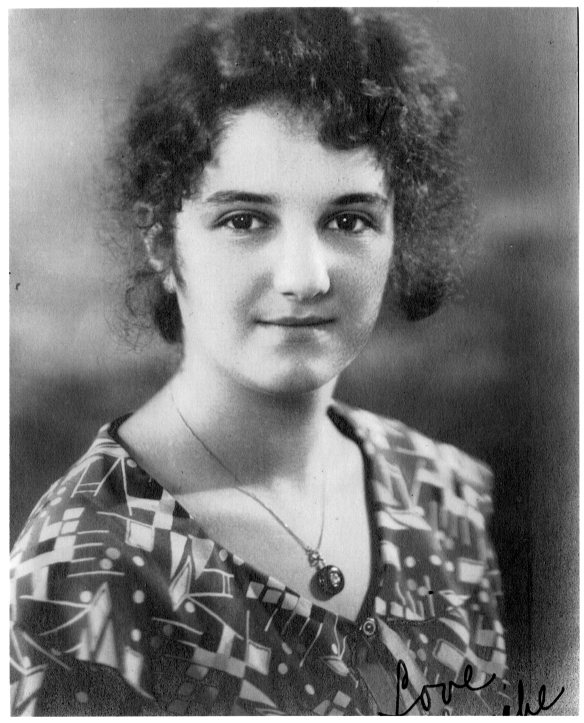
Blanche Stein, high school graduation picture

Blanche Stein, high school graduation picture.  Courtesy of the family

In 1930, Henry was working as a hosiery salesman.  Walter was living with his aunt and uncle, Gertrude and Jacob Miller, and working in their hotel as a bellman.  Blanche was still living at home in Philadelphia, working as a typist.
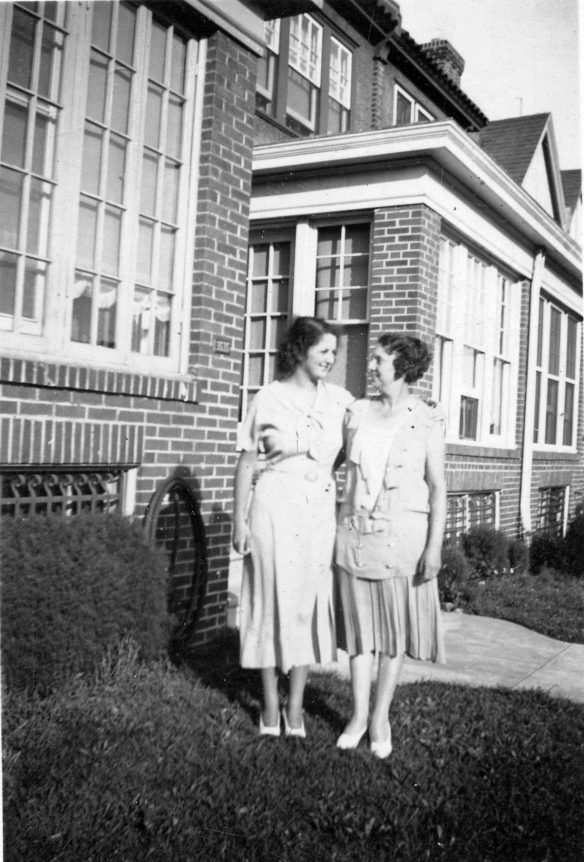
Blanche Stein and Hettie Schoenthal Stein, 1930, Mayfair, PA courtesy of the family

Blanche Stein and Hettie Schoenthal Stein, 1930, Mayfair, PA
courtesy of the family

By 1940 Blanche and Walter had both married (more on that in my next post), and Hettie and Henry were living in Philadelphia.  Henry was now an office equipment salesman.
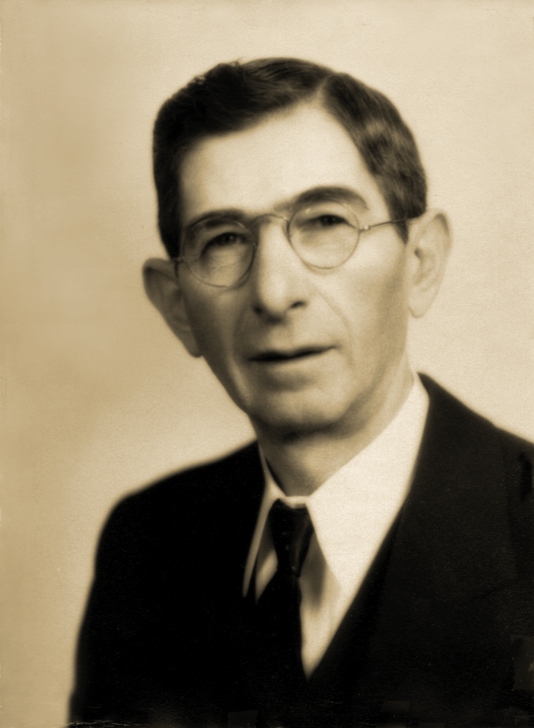
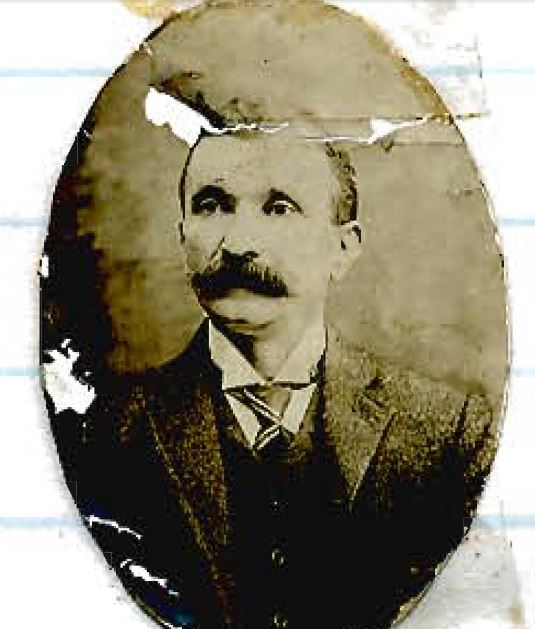
Henry Stein Courtesy of the family

Henry Stein
Courtesy of the family

Around this time, Hettie’s nephew Bob Klein, son of her sister Estelle and Leon Klein, came to live with them.

We had a five room apt. My nephew Bob Klein lived with us. I loved to paint so I did all the painting when I got the brush in my hand there was not telling where I would stop. I painted the toilet seat and forgot to put a sign on and Bob sat down you can guess the rest.

During World War II, Hettie volunteered for the Allied Prisoner of War Service.  While doing so, she made connections that led to a home-based business for her:

In Phila I volunteered one day a week for the Allied Prisoner of War Service that was in 1944 we shipped food to the War Zone. We had to show a card before we were admitted. One day one of the ladies asked me what I was to to do after we finish work so I said I am going to go get some yarn to make a wooley dog so they wanted to see them so the next week I took a couple in and they wanted to buy them so I realy got in business. Then your grandfather told one of his customers*, a florist, about my dogs. He wanted to see them, so I took six with me. He liked them so much he bought them and put them in the window. Some sailors came along and bought all six. I no more than got home when the phone rang and it was Mr. Jones. He said the dogs were gone and he would like to have 50 at once. I stayed up all night and took him what I had made the next day.

A salesman from Chicago saw them at the Florist and wanted to know how he could get in touch with me. He came to see me and ordered all I could make I had my sister Estelle and your mother and your grandpa helping and I sent him as many as I could. Then I had others that wanted them for there stores, my business got to big for me. I had to drop it.

Sadly, Henry Stein died on February 16, 1951, from prostate cancer; he was 79 years old.
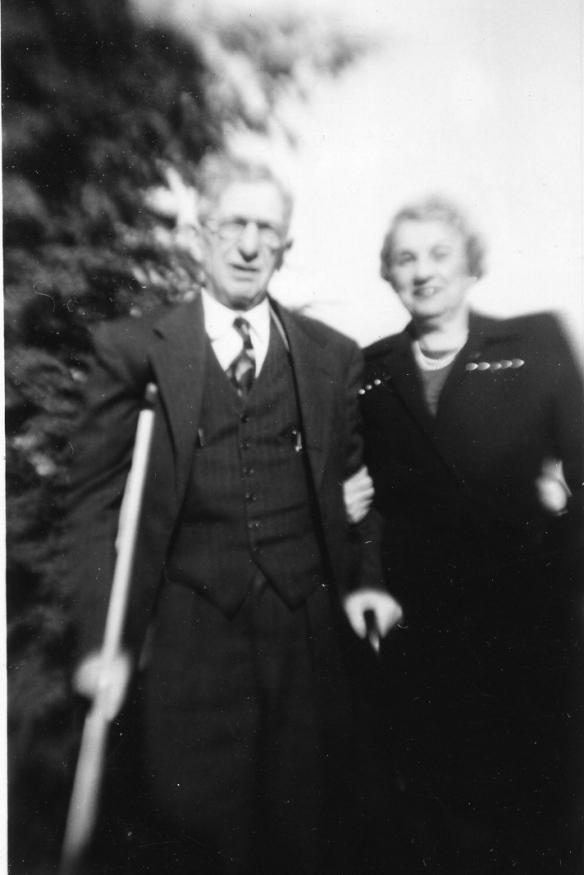
Henry and Hettie (Schoenthal) Stein, 1951 courtesy of the family

Henry and Hettie (Schoenthal) Stein, 1951
courtesy of the family


After he died, Hettie lived for some time with a friend and for many years on her own in Atlantic City.  She continued to have a very full and active life, as you can see from these photographs.
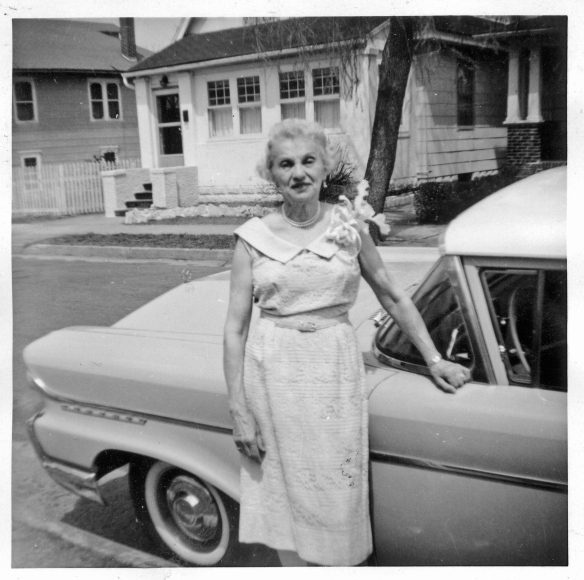
Hettie Stein, 75th birthday April 24, 1961 courtesy of the family
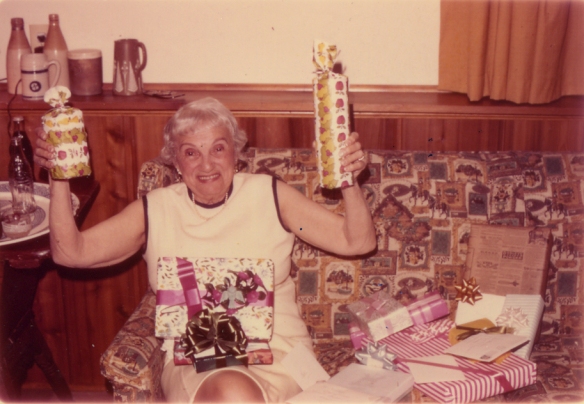
Hettie Stein, 75th birthday April 24, 1961
courtesy of the family

Hettie Schoenthal Stein, 85th birthday 1971

Hettie Schoenthal Stein, 85th birthday 1971

Even at 88, she was still volunteering for her synagogue’s rummage sale.
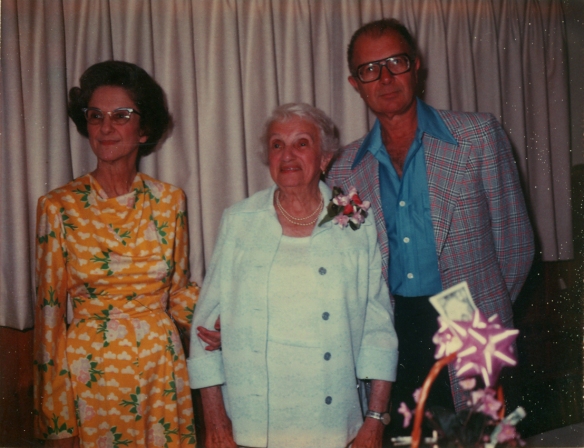
Hettie Stein's 90th birthday 1976

Hettie Stein’s 90th birthday 1976 with Blanche and Walter. Courtesy of the family.

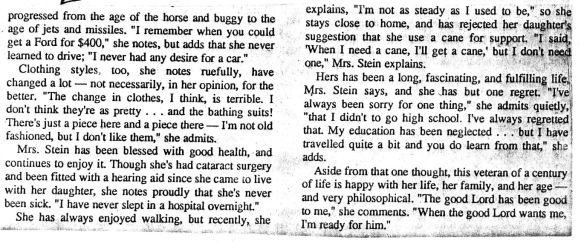
When she was 95, Hettie moved in with her daughter Blanche in Medford, New Jersey. When Hettie turned 100, it was written up in the May 8, issue of the Central Record, the local newspaper for Medford, New Jersey:
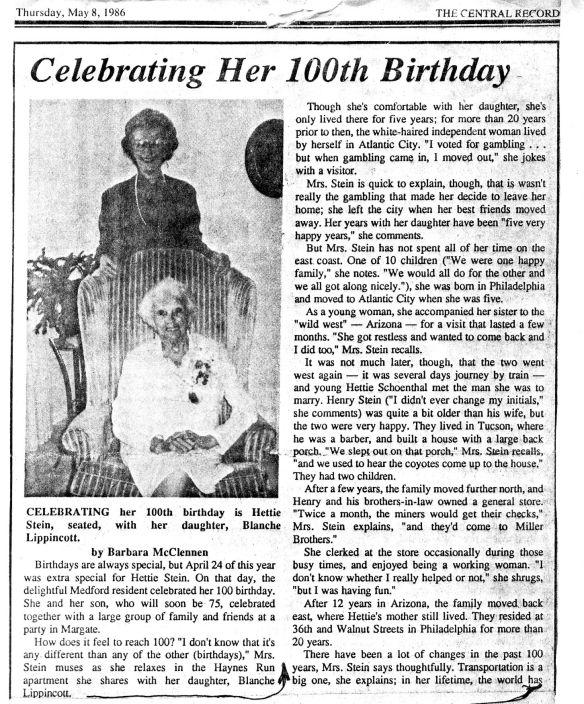
Hettie Stein Celebrates 100 part one

Hettie Stein Celebrates 100 part two

Reading this interview warmed my heart.  Even at 100, Hettie remained upbeat, gracious, and independent.  Her description of her childhood—“We were one happy family.  We would all do for the other, and we all got along nicely”–is certainly consistent with the photographs, the writings, and the facts I’ve seen and read about Hettie and her siblings.

Hettie survived her much beloved husband Henry by almost 38 years, dying on January 15, 1989, when she was just a few months shy of her 103rd birthday.  She, like so many of her siblings, was blessed with remarkable longevity.


I will close this post with the closing words of Hettie’s 1974 memoir, as they best convey the spirit and personality of this adventurous and upbeat woman:

Well, this all happened in my life time. I did have two men that wanted to marry me and two weeks ago the third one asked me. I was walking on the Boardwalk and a man I met about ten years ago came up to me and said, “Can I walk with you?” So I said yes. I knew his wife. She passed away a year ago. He wanted me to go to his apt for dinner. He had made a lamb stew. I thanked him and said my dinner was waiting for me. We talked for awhile and then he asked me if I would marry him. He has money, two sons, one a Dr., the other a Dentist and he is very good looking. But I am happy as I am.

I must tell you, I was getting some telephone calls from some man or boy. He kept telling me he wanted to come see me and give me some loving and I would hang up. On Sat. morning my son Walter took me shopping and when we came home the phone rang and it was the same person. I said wait, and I will let you talk to my husband. He hung up in a hurry and that was the end of that.

Two day is the 4th of July, 1974. A beautiful day. Your Ma [Blanche] called me. I am so happy she is enjoying life.

Hettie Excerpt 2


[1] All of the quotes by Hettie Schoenthal Stein are from her memoir, “This is My Life,” written in 1973-1974 for her grandson, Ezra Parvin Lippincott, Jr.

[2]  In the 1950s, the company that owned the copper mine in Ray expanded the mining area and moved the residents to a nearby town it built.  Today Ray is a ghost town.

Hettie Schoenthal, An Indomitable Spirit: Part I

With the next few posts I will finally complete the stories of the children of Simon Schoenthal, brother of my great-grandfather Isidore. These next few posts will be about Hettie Schoenthal Stein, the third youngest child and second youngest daughter of Simon and Rose.

Courtesy of the family of Hettie Schoenthal Stein

Courtesy of the family of Hettie Schoenthal Stein

In many ways I have saved the best for last because I was very fortunate to connect with Hettie’s grandson’s family, and they shared with me a number of photographs plus a memoir written by Hettie herself as well as an essay of memories written by her son Walter.  Some of those photographs and a bit of the memoir have already been included in earlier posts—with the family’s permission.  Hettie was almost ninety years old when she wrote her life story to share with her grandson.   I have kept the phrasing and spelling just as Hettie wrote it in 1973 and 1974.  All excerpts attributed to Hettie are from her memoir, “This is My Life.”

Hettie was born in Philadelphia on April 24, 1886, the eighth child of Simon Schoenthal and Rose Mansbach.  As Hettie tells it:

I was born and they named me Hettie Schoenthal in 1886, a tiney little girl weighing 8 ½ pounds. I was only two weeks old when Mother and I were taken to Wills Eye Hospital in Phila where Mother had an eye operation. My oldest sister [Gertrude] told me this story. She said I was such a good and pretty baby the Superviser wanted to adopt me as Mother only had seven more at home, then later on two more came along. There were six boy and four girls. The first were twins.

According to Hettie, the family left Philadelphia when she was five or in about 1891 for Atlantic City.  She described her childhood there:

I will tell you a little about my school days. I wish I had a picture of the school—it still looks the same as it did 85 years ago. I must tell you about the boy who sat in back of me. We liked each other. One day the teacher caught me turning around talking so she sent me to the coat room. When it was time for me to come out, she sent Frank in and I kissed him. I had a good time in there I played ball with the hats and tried on the coats.

They were the good old days.

I did not like school and I am sorry to say I did not go through high school but I am very happy and proud all my grandchildren are graduates of college. …

We had a big St. Bernard dog and I loved to take him on the beach. We would walk near the water. I made lots of friends both boys and girls.

Not all of Hettie’s memories were as pleasant:

Hettie Excerpt 1


I must tell you when I was seven or eight years old my sister was baking a cake and our maid said “Miss Gertie, you spilled some flour,” so I ran to get my little broom. When my sister came from the stove with boiling milk, I ran into her and was scalted very badely. I still have the scar. My hair covers it. I was lucky it did not go in my eye.

But that incident had some benefits:

My father was a strick man. He thought everything my mother cooked we should eat and I remember we had some sweet and sour beans. I would not eat them. I had a little apron on with a pocket and the beans landed in there. My dad happened to see me do it. He came over to my side of the table, took me by the hand, lead me in the other room, my panties came down, and the hand went to work. It was not to bad. I was the pet of the family because of my accident with the milk.

Clearly, Hettie was a spirited child.

Hettie also shared this story, which occurred when she was about twelve years old or in 1898:

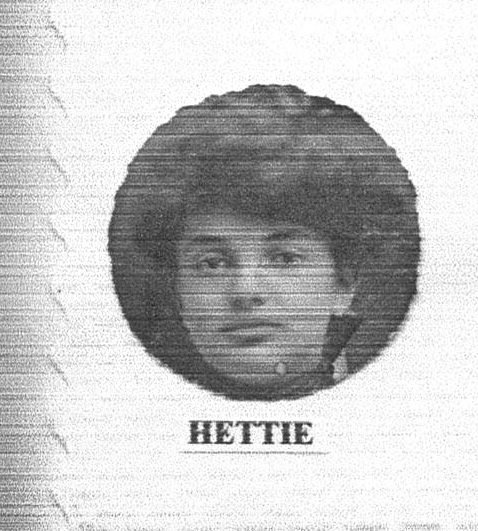
One day I was walking on the Boardwalk and a photographer came along and wanted to take my picture so he did. Then Mr. Persky the Artist saw it and wanted to make a painting. It realey was beautiful it had a very expensive frame. It was put on display in a furniture store window. I was passing and I saw a crowd. I got way up front and some man said, “Here is the kid now.” My parents were able to buy it. It hung in our home for many years.

Fortunately, among the photographs I received from Hettie’s family was the one described above:

Hettie Schoenthal, c. 1898

Hettie Schoenthal, c. 1898

No wonder the photographer was taken with her! Hettie’s adventurous spirit is revealed in this anecdote from about 1903 when she was a teenager:

Now I think I am around 16 or 17 years old. I liked this boy very much. His name was Roy Willis. He wanted me to elope with him, so I would meet him around the corner. One night he had to work late, so I went for a walk and I met a boy who lived near us and he daired me to go on the Pier with him. So I went and Roy caught up to us and was very mad. The next day he and my brother Martin were going on vacation up in the mountain. He did not say good by. A few days later I got a post card with a picture of a fellow falling off of a horse saying I went off so suddenly he did not sign his name but did after he returned.

Hettie Schoenthal, 1906 Courtesy of her family

Hettie Schoenthal, 1906, about 20 years old
Courtesy of her family

In 1898, Hettie’s older sister Gertrude had married Jacob J. Miller and had moved soon thereafter to Tucson, Arizona.  When she was about twenty years old or around 1906, Hettie followed her big sister to Tucson. It must have been quite a shock for a girl who had grown up in the urban environment of Atlantic City.   Their house in Tucson “had a big screen porch and we slept out there most of the time and we would hear a coyot and sometimes we would smell a skunk.”

But Hettie seemed quite happy and had an active social life:

There were quite a few young folks in Tucson and I was having a good time horseback riding, card parties and Picnics. Two of the men were very nice to me. They wanted to date me every night. One was a traveling salesman and had to be out of town some time so Henry Stein was the winner. That summer it was very hot in Tucson so we went up to the mountains to a place called Orical. The hotel was run by an American Indian and his wife.

We had one very large room with four beds. When we went to bed the first night we saw a big Tarantular. That is a great big black spider on the ceiling. We were afraid for all of us to go to sleep so my sister and I took turns watching it. We had very little sleep.

On Sunday Henry and my sister’s husband drove up to see us and had dinner with us. Well we had a good dinner but I said the chicken tasted different. I found out later it was rabbit. I got so I liked Henry much better but I did not know if I loved him. He asked me to marry him but I thought he was so much older than I. There was 15 years difference. I came back to Atlantic City. After awhile I got restless, then my sister’s husband came east on a business trip and I was again for the west. I loved to travel.

Henry Stein and Hettie Schoenthal 1907 courtesy of their family

Henry Stein and Hettie Schoenthal 1907
courtesy of their family

Hettie also shared this story of her return to Atlantic City:

I must tell you, one day in Tucson Ariz, I think it was 1908, a girl from Phila and I went horse back riding. My horse belonged to our neighbor. I had ridden him many times and never had any trouble, but this time I don’t know if he got scared or what, but he tried to throw me. I stayed on him as long as I could. A man came along and told me I had better get off. I believe this girl’s name was Lena. One day she said “I am going back to Phila,” so I got restless so I said, “I will go with you.” So I got ready.

In those days it took 4 or 5 days by train. It had a Pullman car and the chairs were very comfortable. We met two very nice gentlemen. They wanted to treat us to a drink. We did not drink the kind they did. We had root beer. The one I liked best had a pretty red tie on. I admired it, so the next day when I saw him, he had a package for me. Guess what was in it? The red tie. That night I put on a white blouse and had the tie on. When they came in the dining car they got the next table to us. He said it looked better on me. Then he told me his wife made it. I said maybe I had better give it back and he said no. When we were getting near Phila he wanted my address. I told him I did not go with married men.

This photograph of Hettie with three of her siblings must have been taken during that return to Atlantic City in 1908 (love the wild hairstyles):

Hettie Schoenthal and her siblings, 1908 Atlantic City. Estelle, Martin, and Maurice?

Hettie Schoenthal and others—I think Sidney, Hettie, Estelle, and Jacob.  Atlantic City 1908 Courtesy of the family

Hettie must have returned to Arizona from the East not long after, and when she did, she seemed to have gotten over the fifteen year age difference between herself and Henry Stein:


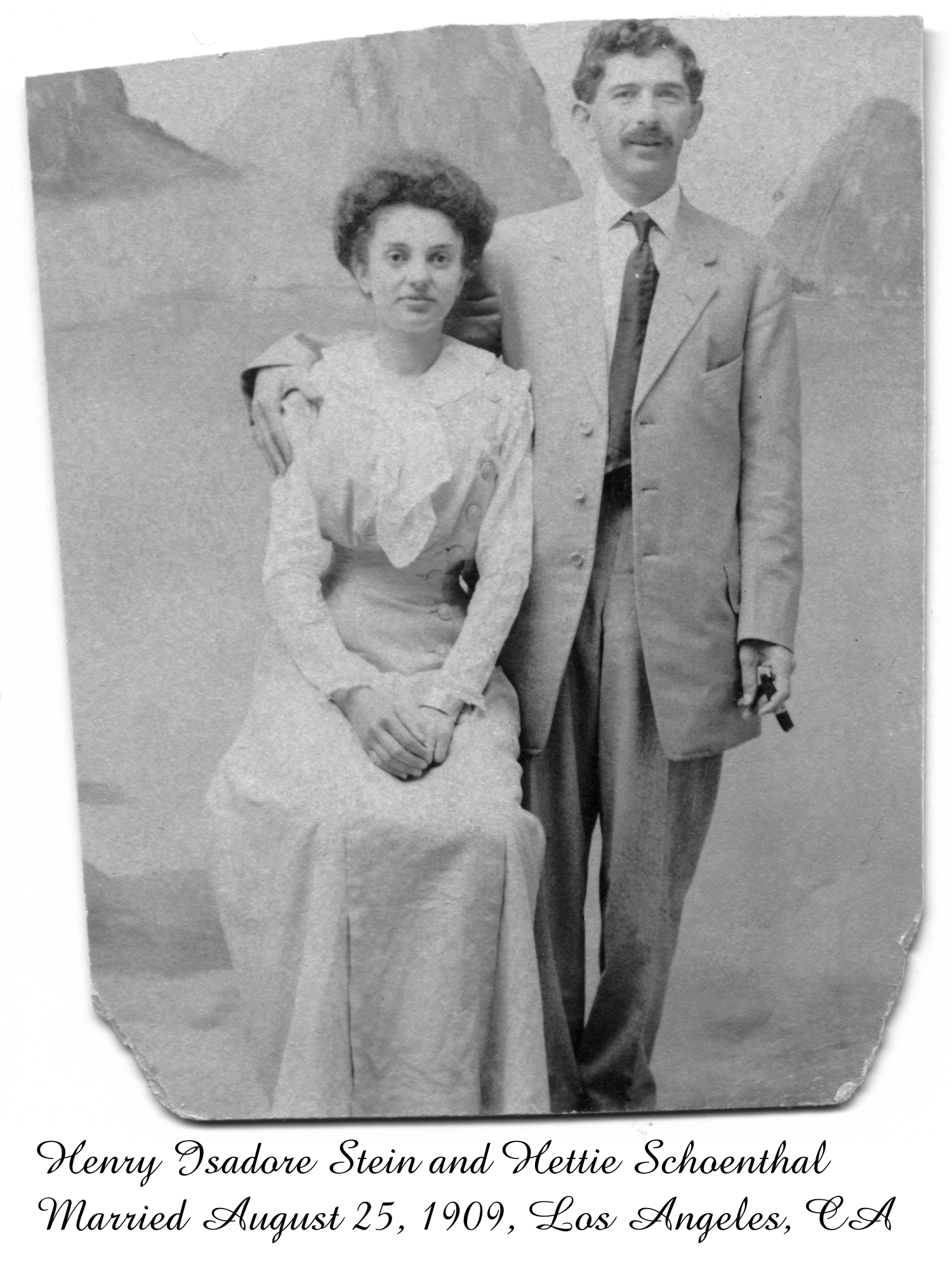
Marriage license notice for Hettie Schoenthal and Henry Stein Los Angeles Herald Tribune, August 24, 1909, p. 14

Marriage license notice for Hettie Schoenthal and Henry Stein
Los Angeles Herald Tribune, August 24, 1909, p. 14

Hettie and Henry wedding photo

The summer of 1909 we went to Los Angeles, Cal, and Henry came up there and we decided to get married, so on Aug 24 we did and went on a nice honeymoon. Then we went back to Tucson to make our home.

Henry was the first white barber in Tucson. He shaved Grover Cleveland before we were married. His aunt brought him over from Uhel, Slovakia. He was very young. He had a younger brother over here who was in an accident and killed.

We built a very pretty home next to my sisters and we were very happy.

Two years later on Oct. 9, a little boy came along. We named him Walter, then Sept. 22nd two years later, a little girl. We named her Blanche. That was your mother. She was really beautiful.

Birth certificate of Walter Stein courtesy of the family

Birth certificate of Walter Stein
courtesy of the family


Henry Stein with his son Walter, 1910 courtesy of the family

Henry Stein with his son Walter, 1910
courtesy of the family


Walter and Blanche Stein, 1913 courtesy of their family

Walter and Blanche Stein, 1913
courtesy of their family


A few years after their daughter Blanche was born, Hettie and Henry and their children left Tucson for Ray, Arizona, a small mining town that was about 100 miles from Tucson.  What would have led them there?

Part II addresses that question and describes their life in Ray.


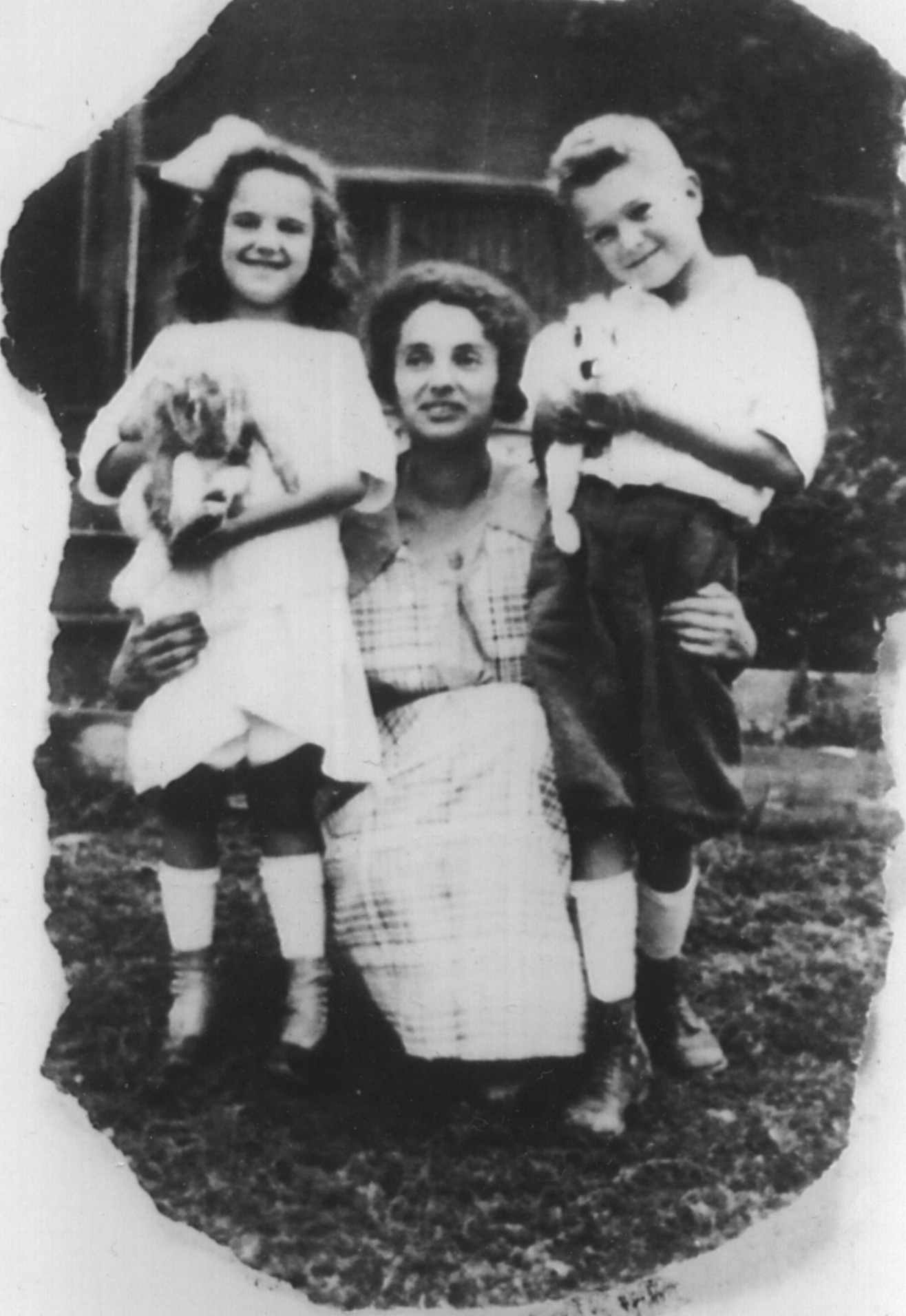
Blanche, Hettie, and Walter Stein

Blanche, Hettie, and Walter Stein


The Gift of Photography: Bringing Faces to the Names

I know I just posted yesterday, but I am so excited by the photographs I received last night that I can’t wait to share them.  I have been very fortunate to connect with the family of one of Simon and Rose (Mansbach) Schoenthal’s children, the descendants of their daughter Hettie, whose life story I’ve yet to tell.  The family very generously shared with me a multitude of photographs, and I will share many of them on the blog in upcoming posts.

But some of these photographs are of family members about whom I have already posted.  I’ve added those photographs to the appropriate posts, but since I know it’s unlikely that people will go back to find those photographs, I wanted to share some of them here.  All of the photographs here are courtesy of the family of Ezra Parvin Lippincott, Jr., Hettie Schoenthal Stein’s grandson.

First, here are photographs of Simon Schoenthal and Rose Mansbach, the patriarch and matriarch of this large family:

Rose Mansbach Schoenthal

Rose Mansbach Schoenthal

Simon Schoenthal, my great-great-uncle

Simon Schoenthal, my great-great-uncle

Simon and Rose had ten children; their first two were twins, Harry and Ida.  Ida died when she was a young teenager, so I was very touched to see this photograph of Simon with the twins, taken in 1875 when they were two years old.

Simon Schoenthal with twins Harry and Ida 1875 Courtesy of the family of Hettie Schoenthal Stein

Simon Schoenthal with twins Harry and Ida 1875
Courtesy of the family of Hettie Schoenthal Stein

And here is a collage of photographs of the nine surviving children: Harry, Gertrude, Louis, Maurice, Martin, Jacob, Hettie, Estelle, and Sidney.  They were my grandmother Eva Schoenthal Cohen’s first cousins.

The nine surviving children of Simon and Rose (Mansbach) Schoenthal Photo courtesy of the family of Hettie Schoenthal Stein

The nine surviving children of Simon and Rose (Mansbach) Schoenthal
Photo courtesy of the family of Hettie Schoenthal Stein

Looking at all those faces, I cannot help but admire their mother Rose, especially knowing now how close these siblings were to each other.  Here are some additional photographs of Rose Mansbach Schoenthal:

Rose Mansbach Schoenthal courtesy of the family of Hettie Schoenthal Stein

Rose Mansbach Schoenthal
courtesy of the family of Hettie Schoenthal Stein

Rose Schoenthal -1916

Rose Mansbach Schoenthal 1916

Harry, the oldest surviving child, had a liquor business in Philadelphia for some time before returning to Atlantic City and working in the hotel business there.  I believe this photograph must be related to his Philadelphia business:

Uncle Harry's Beer Business Courtesy of the family of Hettie Schoenthal Stein

Uncle Harry’s Beer Businesss
Courtesy of the family of Hettie Schoenthal Stein

I am not sure, but perhaps one of those men is Harry himself.

I loved this photograph of Arthur H. Ferrin, who married Juliet Miller, the daughter of Jacob J. and Gertrude (Schoenthal) Miller.  You can tell that Arthur was a Tucson native:

Arthur  H. Ferrin 1905 courtesy of the family of Hettie Schoenthal Stein

Arthur H. Ferrin 1905
courtesy of the family of Hettie Schoenthal Stein

There are many more to come, but I didn’t want these to get lost in the shuffle.


Photo Analysis: Why You Should Ask an Expert

Sometimes you need to hire an expert to help with hard questions.  With the help of the genealogy village—my fellow bloggers and the members of the various Facebook groups and JewishGen—I have been able to find and learn more than I ever imagined.  But when it came to some of those mystery photos that bewildered and frustrated me, I decided it was time to find an expert, and the expert who came highly recommended—for good reason—is Ava Cohn, a/k/a Sherlock Cohn, the Photo Genealogist.

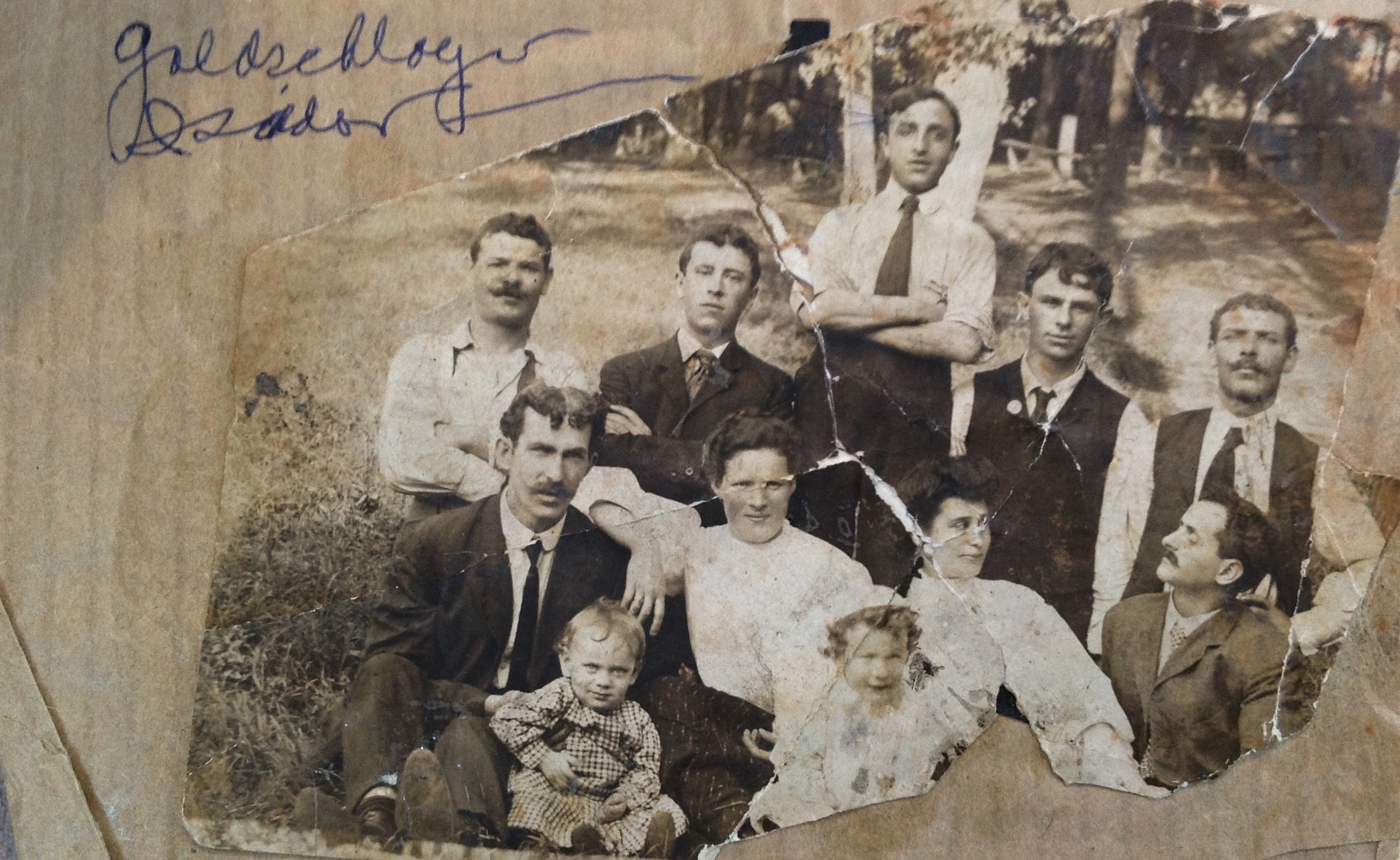
I had originally sent Ava this photo of my grandfather Isadore Goldschlager because I was curious about identifying the other people in the photograph.

Isadore Goldschlager and unknown others

Isadore Goldschlager and unknown others

But Ava and I discussed it, and she concluded that without more information and more photographs, it would be impossible to make much progress identifying total strangers who lived over a hundred years ago. I really appreciated Ava’s honesty, and when she asked if I had any other photographs that might be more amenable to her analysis, I looked back to consider some other options.

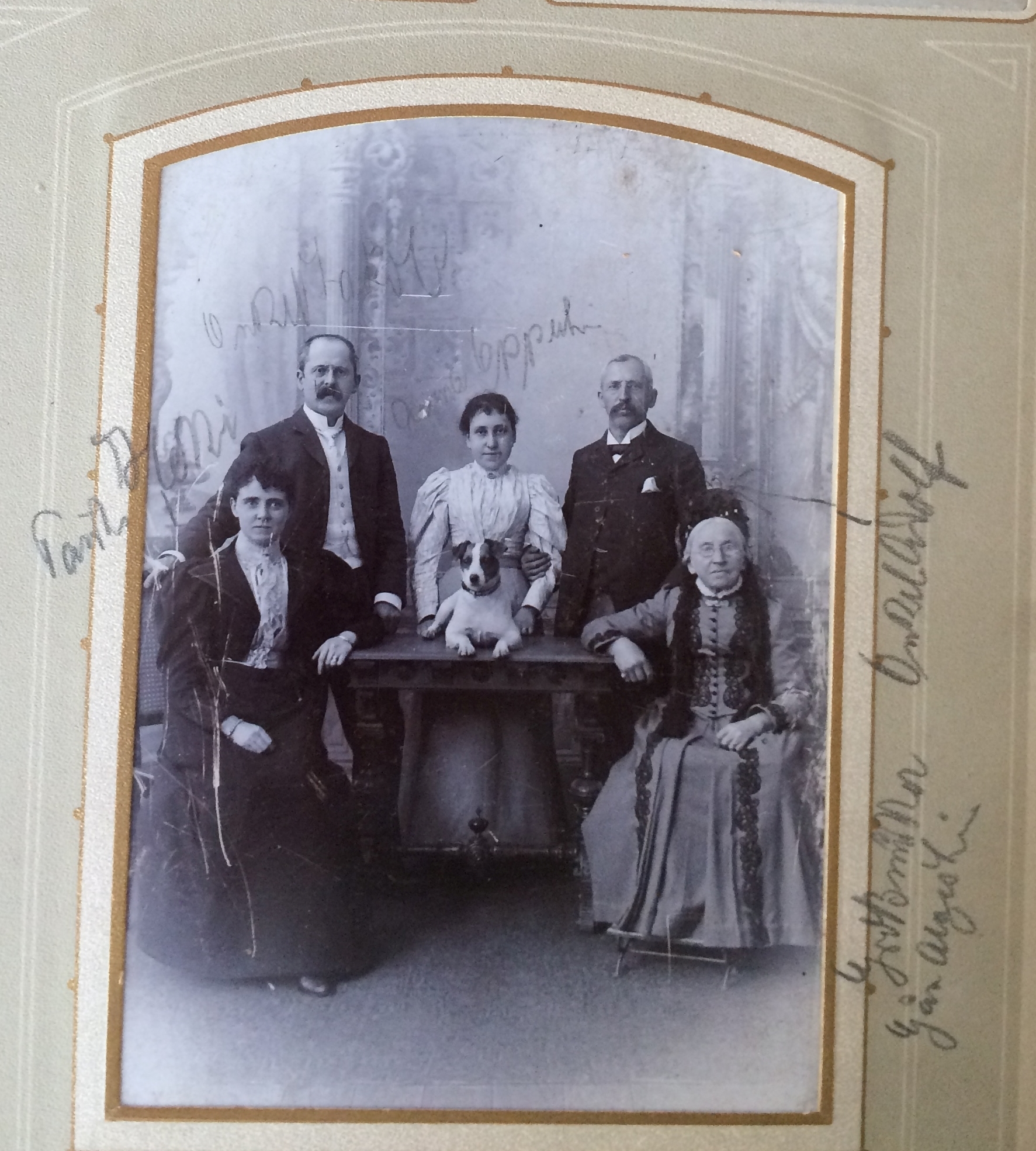
I sent her this photograph from Fred Michel’s album, which I had discussed here and here and here, but about which I remained somewhat mystified.

Uncle Adolf and Grandmother Gau Algesheim

I had concluded tentatively from my own analysis and comparison to other photographs and the inscriptions on the photograph that the older woman was probably my three-times great-grandmother Babetta Schoenfeld Seligmann, and the two men labeled Onkel Adolf and Onkel Jakob were probably Babetta’s sons, Adolf and James, brothers of my great-great grandfather Bernard Seligman.  Adolf, like my great-great-grandfather Bernard, had left Germany and settled in Santa Fe, New Mexico, and James had moved to Great Britain.  I had learned that James was not a common name for boys in Germany in the 19th century so it was likely that he was born Jakob and adopted the name James after emigrating.  Also, my cousin Lotte, who had met James Seligman when she was a young girl, thought that “Onkel Jakob” resembled the man she remembered as James Seligman.

But I was not at all sure who the two younger women were, especially the woman to the left in the photograph.  I’d asked on the blog if anyone could read the inscription near her picture, but no one was certain what it said.  The woman in the center appeared to be labeled Anna Oppenheimer, but I couldn’t understand why she would be in the photo.  Anna Oppenheimer was the daughter of Pauline Seligmann and Maier Oppenheimer and the granddaughter of Babetta.  But why of all the grandchildren would only she be in this photograph, especially since her mother was not included, just two of her uncles?

Ava studied the photograph as well as my blog posts, my family tree for the Seligmann family, and other photographs of the Seligmann family, and then sent me a detailed and thorough analysis of her own conclusions, which I found well-founded, fascinating, and persuasive.  With her permission, I am sharing some of her report.

I thought Ava’s analysis of the overall relationships among those in the photograph based on traditional posing in studio photographs of families was quite interesting:

In the mystery photograph, the family is posed in a typical family grouping of five individuals seated and standing around a large library table upon which is a dog, perhaps the family pet. The photo has been taken in a photographer’s studio with an appropriate backdrop for the time period. The two individuals on the left hand side appear to be a married couple while the elderly woman seated on the right could be mother or grandmother to one or more of the individuals in the photo. The man on the right, probably a son and the young woman in the center holding the dog could be related but are not married to each other.

Ava concluded that the photograph was taken in 1896-1897.  Here is part of the reasoning for her conclusion:

To establish a year for the photograph, I looked at the clothing worn. Since what we know of the family’s comfortable economic status, it is logical that they are wearing up-to-date fashions, for the most part. The elderly woman, as is customary for many older women, is not as fashionable as the two younger women. Her dress, with multiple small buttons down the bodice, is a typical style of the 1880s as is her bonnet. The other two women are wearing clothing from the latter half of the1890s, post 1895. By this point in time the enormous leg-o-mutton sleeves of the 1893-1895 time period have become less full with the vestige of fullness above the elbow.  The man on the left is wearing a high Imperial collar, common in the 1890s.

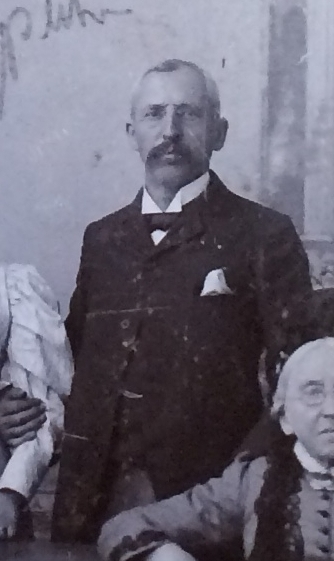
Ava agreed that it was reasonable to conclude that the elderly woman labeled “Grossmutter Gau Algesheim” was Babetta Schoenfeld Seligmann and that the man on the right, labeled Onkel Adolf, was her son Adolf Seligman, brother of Bernard and a resident of Santa Fe in the 1890s.  At that time Adolf was in his fifties (born in 1843) and unmarried.  Ava thought that the man labeled Onkel Adolf in the photo appeared to be in his mid-fifties. Ava did not think the woman in the center was Adolf’s wife, Lucy, since Lucy would have been only about fourteen in the mid-1890s and did not marry Adolf until 1902.


Onkle Adolf

Rather, Ava opined that the woman in the center was in fact Anna Oppenheimer as labeled.  She would have been nineteen or twenty in 1896-1897:

It appears that she is wearing a wedding or engagement ring in the photograph. The writer of the inscription has used Anna’s maiden name, Oppenheimer, as opposed to her married name, Anna Kaufman, so, along with the absence of Max Kaufman in the photograph, I believe that this photo was taken before her marriage to Max. Again, having a marriage certificate for Anna and Max could confirm why the writer used Anna’s maiden name here instead of her married name.

Unfortunately, I do not have a marriage record for Anna, and there is no record of any children born to her and her husband Max Kaufman so it is impossible to determine when exactly they married.

Anna Oppenheimer maybe

That left the two remaining people in the photograph: Onkel Jakob and the woman sitting on the left side of the picture whose name I could not decipher in the inscription.  Ava agreed that “Onkel Jakob” was James Seligman. So who was the other woman?

Ava believes that she was James/Jakob Seligman’s wife, Henrietta Walker Templeton, who was born in England in 1866 and married James Seligman in London in October 1887.  Ava read the inscription next to the woman to be “Tante Heni:”

Tante Glori


Heni is a nickname for Henrietta and clearly shows the relationship with the writer of the inscription because of the informal use of a nickname. Tante (Aunt) could be one by marriage not necessarily by blood. In the mystery photo Heni appears to be about age 30-31.

In addition, Ava interpreted the posing as indicative of a marital relationship between Jakob and the woman seated in front of him, saying, “The manner in which he is posed with his arm around the back of Heni’s chair suggests their relationship.”

This made perfect sense to me.  Ava speculated that perhaps James and Henrietta had come to Gau-Algesheim to celebrate their tenth anniversary with the Seligmann family, which would have been in 1897.  I also recalled that Lotte had mentioned in an email dated July 6, 2015, that James and his English wife (whom Lotte referred to as Hedy) had visited “the continent” once.  Lotte was born in 1921, so would not remember a visit in the 1890s, but the fact that James and his wife visited during Lotte’s lifetime in Germany makes it even more likely that they had in fact visited on earlier occasions.  Lotte also said that James returned after Henrietta’s death in 1928.

Ava even analyzed the dog in the photo.

Given that the same dog appears in both the mystery photograph and the one of Bettina Arnfeld nee Seligmann (born 1875), I thought I’d include that here. It is clearly the same dog. I had considered that the dog may have belonged to the photographer but given how calm he/she appears in the photographs, I believe he was a family pet. The photo of Bettina was taken roughly 3 years after this one, circa 1900. The photo of Bettina may have been an engagement picture as she and Adolf Arnfeld married in 1900.

Bettina Arnfeld nee Seligmann

Bettina Arnfeld nee Seligmann

Anna Oppenheimer maybe

Bettina Seligmann Arnfeld was the daughter of Hyronimus Seligmann, Babetta’s son and brother of Bernard, Adolf, and James, among others.  She was Anna Oppenheimer’s first cousin.  So whose dog was it? Certainly not James or Adolf since neither lived in Germany.  Perhaps the dog belonged to Babetta? She is the only common link between the two young women pictured with the dog.  Babetta died 1899; if Ava is correct and the photograph of Bettina was taken in 1900, perhaps Bettina inherited the dog from her grandmother?

I was quite satisfied and persuaded by Ava’s analysis of the family photograph.  But she didn’t stop there.  I had also supplied her with additional photographs to help with her analysis of the family photograph.  For example, I sent her this one, which I believed was a photograph of Babetta as a young woman.

Uncertain see ava report

I had based that conclusion on the fact that another photograph that I paired with the one of the woman was labeled Grossvatter and thus presumably was my three-times great-grandfather Moritz Seligmann.

Courtesy of the Family of Fred and Ilse Michel

Courtesy of the Family of Fred and Ilse Michel

But Ava disagreed about the identity of the young woman:

I did a comparison of the older photograph of a young woman that you supplied. This photograph is roughly dated circa 1859-1861 based on clothing and hairstyle as well as the type of image, most probably a daguerreotype popular in the 1850s and very early 1860s. The young woman appears to be in her teens and no more than 20 years of age. This eliminates the possibility that this earlier likeness is Babetta who would have been 49-51 years old. But there is a possibility given the provenance of the photograph and the resemblance to Babetta that this is one of her daughters, Pauline or Mathilde. It is unlikely to be her niece/stepdaughter, Caroline. Given that the photo was obtained from the Michel descendants, Pauline is the most likely candidate. Further research, documentation and comparison photographs would be needed to make a positive identification. 

Although I was quite disappointed to think that this was not Babetta, the more I considered Ava’s analysis and the more I looked at the photograph of the young woman and the one of Moritz, the more I realized my error.  The frames on the two photographs are quite different as is the style and the posing.  I had just jumped to the conclusion that because Suzanne had sent these two photographs in the same email that they were of a couple.  That’s why sometimes you need to hire an expert!

Finally, Ava also did an analysis of the wonderful photograph that my cousin Davita had sent of a man she said was her grandfather, Adolf Seligman, and his favorite sister, Minnie, riding camels in Egypt:

gramdfather Adolph and great aunt Minnie_rev

I was quite surprised but also persuaded by what Ava had to say about the identity of the people in this photograph; she is quite certain that the woman is in fact Henrietta Walker Templeton, and the more I studied the photograph, the more I agreed.

The Egypt photo is roughly dated based on her suit and hat as being taken in 1910. That would make Heni 44 years old. Her face has aged from the earlier photo and she’s put on a bit of weight, not uncommon approaching middle age.  She is very stylish in the 1897 photo and likewise in the 1910 one. In both, she has chosen an up-to-date suit rather than a dress. Her dark hair is the same style. Notice the “dip” in her bangs on the right side of her forehead. It’s the same as the earlier photo.  Her eyebrows, nose and mouth are the same as is the overall attitude captured by the photographer.

Tante Heni

Tante Heni


Minnie Seligmann

After I read Ava’s comment, I checked the emails that Lotte had sent me and saw that she had described James’ wife as “big and pompous.”  The woman Ava concluded was Henrietta certainly does have a certain air of superiority in both of the photographs.

Also, I have absolutely no record of any kind supporting the existence of a Seligmann sister named Minnie, so already had had questions about Davita’s description. Thus, I was open to the idea that it was not Minnie, but someone else.  I hadn’t considered Henrietta since I believed that the man was Adolf, as Davita said.  Why would Henrietta from England be riding a camel in Egypt with her brother-in-law Adolf, who lived in Santa Fe?

But Ava raised a question as to whether this was in fact Adolf. If the photograph was taken in 1910, why would Adolf, who had married in 1902 and had three children by 1910, be traveling to Egypt? The more I looked at the earlier photographs of Adolf and Jakob/James, the more I became convinced that the man on the camel is in fact James, not Adolf.  Ava also agreed that it seems quite likely that it is James, not Adolf, in the photograph, but that without more information, we can’t be entirely sure, especially since Davita, the source of the Egypt photograph, believed that it was her grandfather Adolf. (Adolf died before Davita was born, so she had never met him in person and only had this one photograph that she had been told was of her grandfather.)

Adolph Seligman in Egypt

James or Adolf?

Onkel Jakob

James Seligman

Onkle Adolf

Adolf Seligman

Thus, although without more photographs and/or records we cannot be 100% certain, I am persuaded that Ava’s conclusions are correct about the likely identities of the people in the group photograph, the portrait of the young woman, and the Egypt photograph.

It was well worth the fee I paid to have the benefit of Ava’s expertise.  I highly recommend her to anyone who has questions about an old photograph.  If you are interested, you can email Ava at Sherlock.cohn@comcast.net or check out her website at http://sherlockcohn.com/  You will probably have to wait quite a while because her services are very much in demand and she devotes a great deal of time to each project, but it will be worth the wait.

[I was not paid or required by my contract with Ava to advertise her services; I am writing this blog post as a service to others who might be interested.]


.


A Brotman, Goldschlager, and Rosenzweig Update: The Baby Book

As you know if you’ve been following this blog for a while, my Aunt Elaine preceded me as the family historian for my maternal side.  Several times notes she made or information she gave to others has led me to more information.  Her information has almost without exception proven to be accurate.  For example, she provided me—indirectly—with the names of my grandmother Gussie Brotman’s half-siblings, Abraham, David, Sophie, and Max.  She provided me with the clue that the Brotmanville Brotmans were our close relatives.  She told me how my grandparents met each other in Brooklyn.

Well, she has done it again.  This time, however, it was not information or notes that she provided, but rather her baby book, which my cousin found in a shoebox of old papers.  It was partially filled out when my aunt was born on October 14, 1917.  Although most of it is blank, the few pages that were filled provide not only further confirmation of relationships about which I was previously aware, but hints at some new ones.

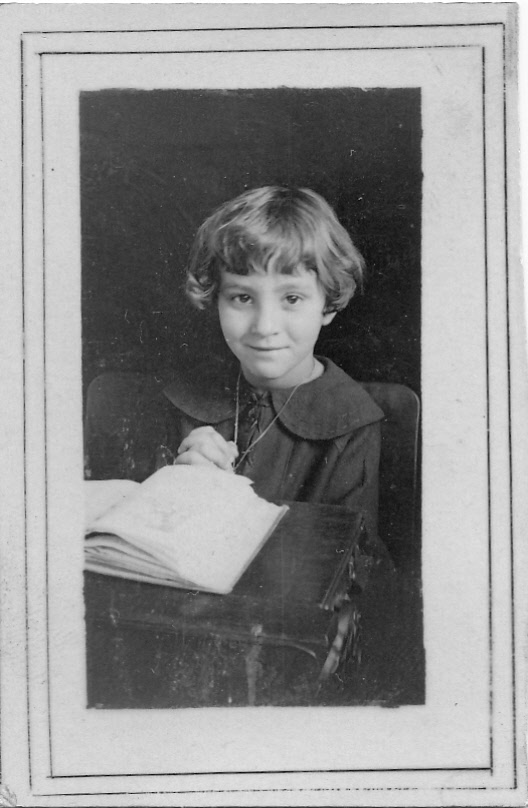
Elaine 1926

Elaine 1926

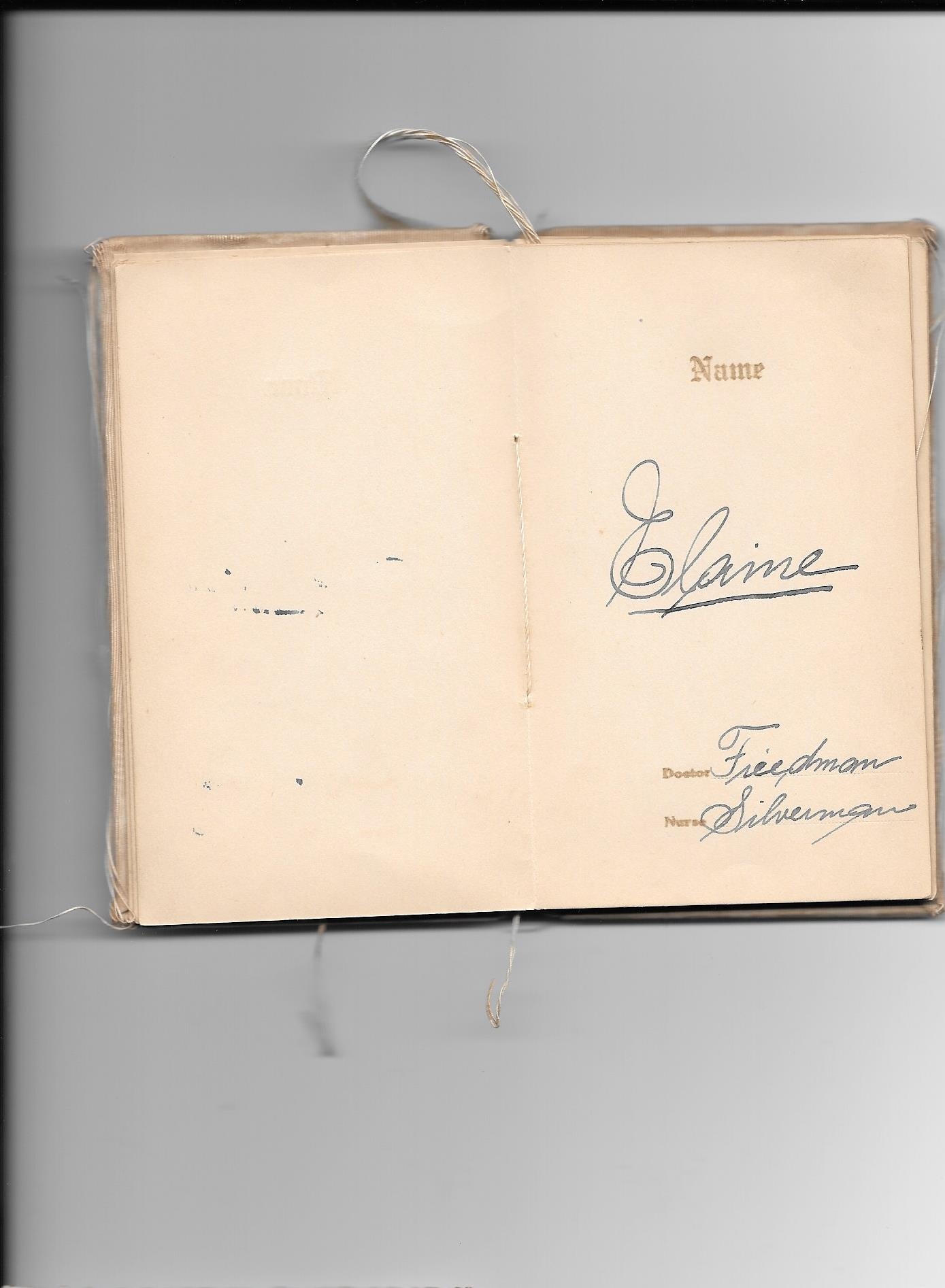
Here are the pages of the book that have been filled in:

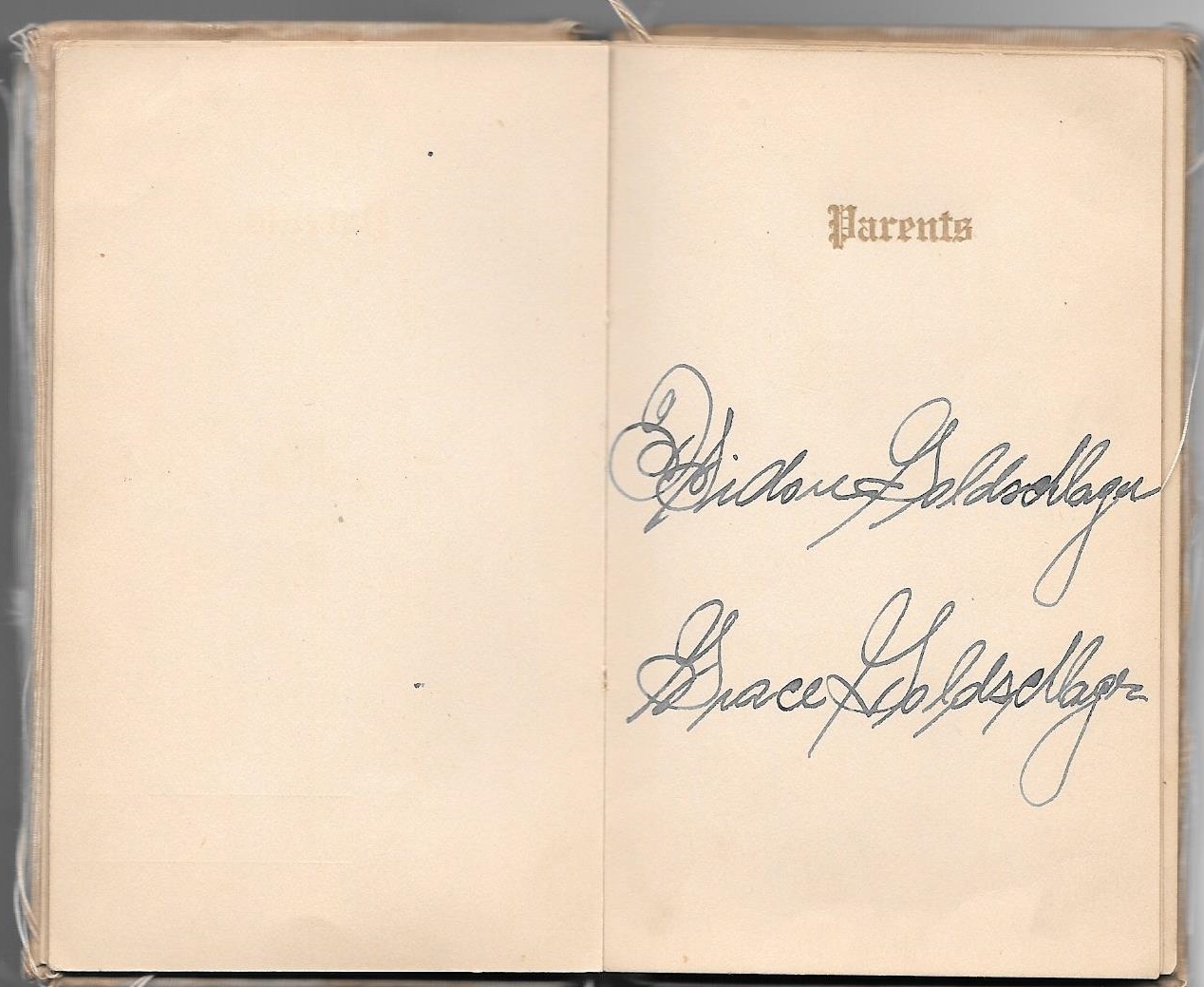
Aunt Elaine baby book p 1

This is my grandfather’s beautifully florid handwriting.  His daughter, my aunt, also had fancy handwriting like this.


Aunt Elaine baby book p 2

My grandmother was never called Grace, always Gussie.  But family lore is that my grandfather’s family thought Grace was more American.


Aunt Elaine baby book 3

My two maternal great-grandmothers!


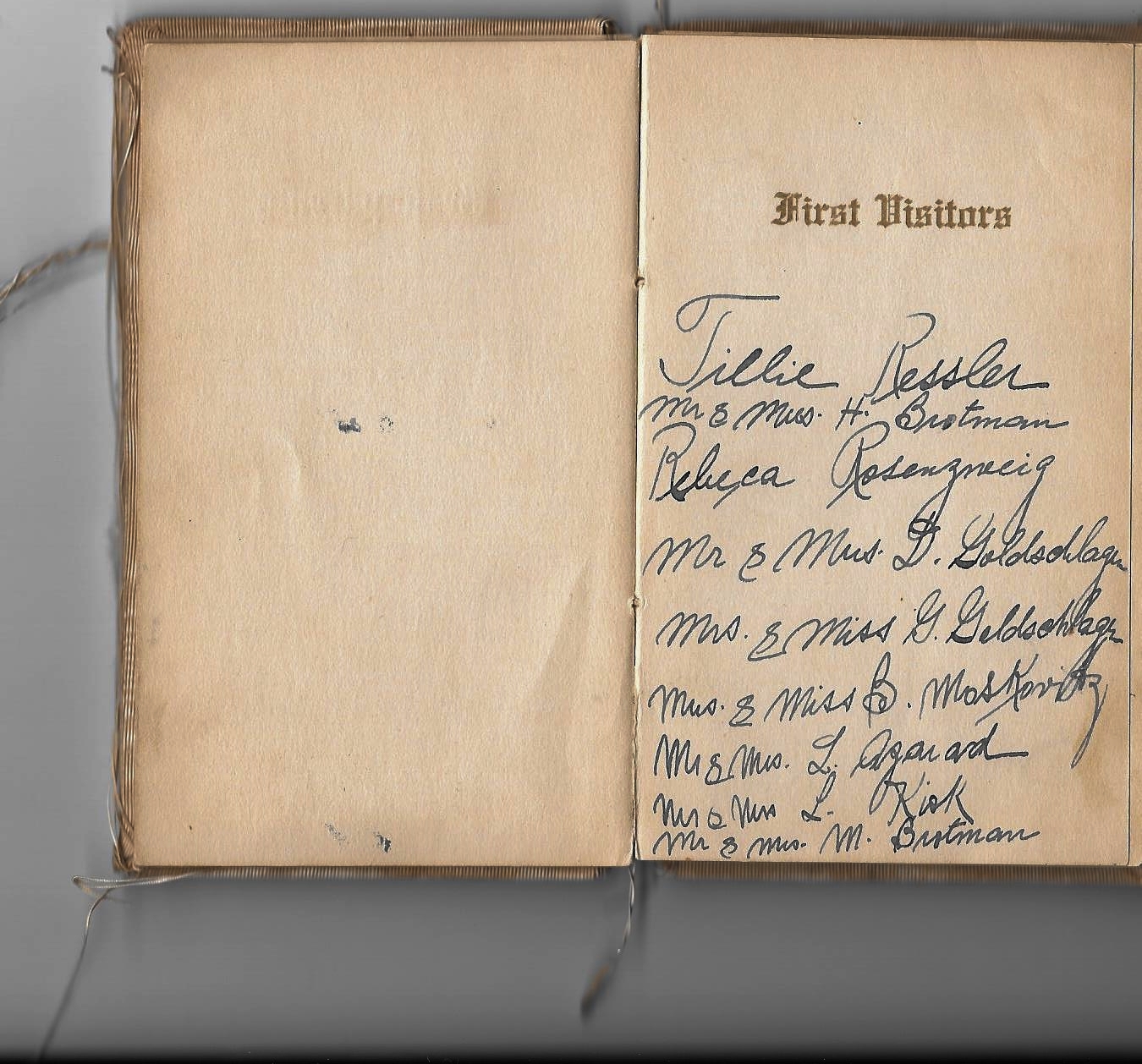
Aunt Elaine baby book 4

Who are these people?

Tillie Ressler—my grandmother’s older sister

Mr. and Mrs. H. Brotman—my grandmother’s brother Hymie and his wife Sophie

Rebecca Rosenzweig—my grandfather’s cousin, daughter of his mother’s brother Gustav Rosenzweig

Mr. and Mrs. D. Goldschlager—my grandfather’s brother David and his wife Rebecca

Mrs. and Miss G. Goldschlager—my great-grandmother Ghitla Rosenzweig Goldschlager and her daughter Betty

Mrs. and Miss B. Moskowitz—my great-grandmother Bessie Brotman Moskowitz and her daughter Frieda

The next two are not familiar, but provide new paths to research.  Can anyone help me decipher the names?

UPDATE: The last two must have been friends.  Mr. and Mrs. Leon and Ray Kiok and her mother Mrs. Frances Azeraad.  I found them all living together in Brooklyn, but not near my grandparents. I am not sure where they would have met.  Leon was born in Poland in 1886, and Ray’s parents were born in Spain.

Finally, Mr. and Mrs. M. Brotman: my grandmother’s half-brother Max Brotman and his wife Sophie

On the following page were more names.

Aunt Elaine baby book 5

Miss E. Shapiro and fiancé—not known yet

Sam Brotman—my grandmother’s younger brother

Mrs. A. Peter and son—I do not know

Mr. and Mrs. A. Brotman—-my grandmother’s half-brother Abraham Brotman and his wife Bessie

Mrs. D. Brotman—Annie nee Salpeter, wife of David Brotman, my grandmother’s half-brother

Mr. and Mrs. Julius Goldfarb—more on them below

The next three are not familiar—Mrs. Louis (?) Yassky, Miss Rose Botomick (?), and Mrs. Tsulie (?) Hecht.  As far as I can tell, these were not relatives, but friends.

I just loved seeing all these names.  Names that I have researched and know are my family, but names I’d not seen in something like this, something that makes it clear that these people were all really connected to my grandparents in a personal way.  I know that sounds odd.  These were the siblings, mothers, and cousins.  But since I grew up without hearing many of these names, it still was wonderful to see them all listed as the first visitors to see my aunt as a newborn in 1917.

I also found the list of gifts fascinating.  My grandparents did not have money for silver and silk, but someone was very generous in giving these items to them for their first-born child.

One final page—the inside of the back cover:

Aunt Elaine baby book 6
A. Rosenzweig—-my grandfather’s cousin, Abraham Rosenzweig, Rebecca’s brother.  I have speculated, based again on a story conveyed by notes from my Aunt Elaine, that it was either Abraham or Rebecca or Sarah who was accompanying my grandfather Isadore on Pacific Street in Brooklyn when he first laid eyes on my grandmother and declared he was going to marry her.

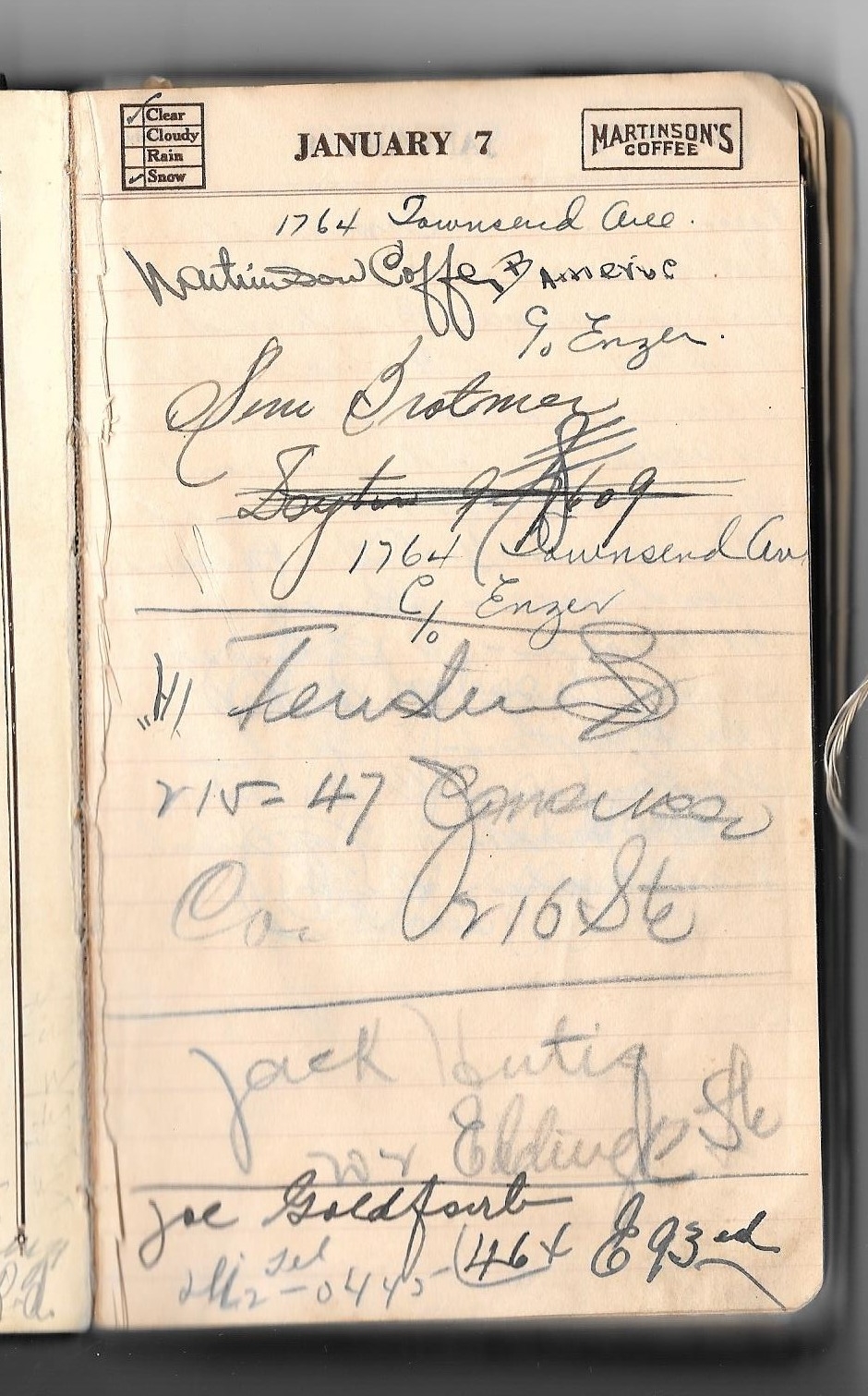
Back to Mr. and Mrs. Julius Goldfarb.  I asked my mother who they were because in a second old item—a notebook my grandfather used for various purposes that was also used by all three of his children at one time or another[1]—the name Joe Goldfarb appeared twice.  Who were these Goldfarbs?

Grandpa Notebook page 1 addresses Joe Goldfarb

Grandpa notebook 13 more addresses Joe Goldfarb

(There’s more great stuff on this page—Sam Brotman is my great-uncle Sam, Feuerstein B. is my great-aunt Betty Goldschlager Feuerstein, Leo Ressler is my mother’s first cousin, her Aunt Tillie’s son; Rae Rosenzweig and Lizzie Horowitz are my grandfather’s first cousins, sisters of Abraham and Rebecca. And there is an S. Goldfarb in addition to Joe.)

My mother said all she could remember was that either Julius or his wife was my grandmother Gussie’s first cousin.  I’d never heard the name Goldfarb before, so what did I do? What all genealogy addicts would do.  I immediately started searching.  And the results of that search will be discussed in a later post once I have filled in more gaps in that story.

But for now, I once again can hear my aunt cheering me on, telling me to keep digging and finding the family stories.

elaine and amy 1953

Aunt Elaine and me 1953


[1] I will share more of that notebook in later posts also.

My Great-grandparents: Thank You

When I started doing genealogy research about four years ago, I only had seen pictures of two of my eight great-grandparents:  Isidore Schoenthal and Hilda Katzenstein, parents of my paternal grandmother Eva Schoenthal Cohen.

Hilda Katzenstein Schoenthal

Hilda Katzenstein Schoenthal

Isidore Schoenthal

Isidore Schoenthal


I had no idea what any of my other six great-grandparents looked like.  Over time I have been very fortunate to find cousins who had pictures of four of those other six.  For example, I now have pictures of Moritz Goldschlager and Ghitla Rosenzweig, parents of my maternal grandfather Isadore Goldschlager.

Ghitla Rosenzweig Goldschlager

Ghitla Rosenzweig Goldschlager

Moritz Goldschlager

Moritz Goldschlager


Another cousin had pictures of my great-grandmother Eva Seligman, but I did not have a photograph of my great-grandfather, Emanuel Cohen.  Until now.  One of the photos in my Aunt Eva’s suitcase was a photograph of Emanuel Cohen. I was so excited to be able to see his face.  It’s amazing how a photograph can bring to life someone you’ve never seen.

So I now have pictures of Eva Seligman and Emanuel Cohen, parents of my paternal grandfather, John N. Cohen, Sr.

Eva Seligman Cohen

Eva Seligman Cohen

Emanuel Cohen

Emanuel Cohen

That leaves me missing only one photograph in the collection of photographs of my great-grandparents.  I am fortunate to have a picture of my great-grandmother, Bessie—the person for whom I named.  But I do not have a picture of Joseph Brotman, my great-grandfather.  The Brotmans remain the most elusive of my ancestral families, and they were the ones who started me on this search and to the blog.  How I would love to know what Joseph looked like, but none of my cousins has a photograph, and somehow it seems very unlikely that any will turn up.  But here is my great-grandmother Bessie Brod/Brot/Brotman, the mother of my maternal grandmother Gussie Brotman Goldschlager.

Bessie Brotman

Bessie Brotman

When I scan through these photographs and think of my eight great-grandparents, I feel somehow comforted and inspired.  It makes me feel good to know that they are remembered and that their stories are being told, at least as well as I can tell them.  Five of the eight were born in Europe and immigrated here to make a better lives for themselves and for their children and those who followed. They came from Sielen, Germany, from Iasi, Romania, and from Tarnobrzeg, Poland.  The other three were the children of immigrants from Gau-Algesheim and Jesberg, Germany and from London, England; they benefited from the risks taken by their parents, my great-great-grandparents, but they each took risks of their own.  In America, my great-grandparents lived in Washington (Pennsylvania), Philadelphia, New York, Denver, and Santa Fe.  Each in his or her own way was a pioneer.  Each one is an inspiration to me.

On this week of Thanksgiving, I am grateful to them for all they did and proud to be their great-granddaughter.


My Aunt Eva’s Magic Suitcases: Another Small World Story

A long time back I mentioned that my father had two suitcases filled with photographs and letters that had belonged to his sister, my aunt, Eva Hilda Cohen.  My aunt had died February 14, 2011, but my father had never gone through the suitcases and wasn’t eager to do so.  Finally this past weekend he agreed to let my brother and me bring the suitcases down from their garage and go through their contents.  I was hoping for some old photographs or letters about my ancestors, and I didn’t find much of that, but there was an amazing small world story that came out of those suitcases. (I will report on the other finds in later posts.)

First, a little bit about my Aunt Eva.  She was born on January 13, 1924, the first child of my paternal grandparents, John Nusbaum Cohen, Sr. and Eva Schoenthal.

Eva Hilda Cohen

Eva Hilda Cohen

My father was born almost three years later.  They were very close as children growing up together.

Eva and John Cohen, Jr.

Eva and John Cohen, Jr.

My father describes his sister as a strong-willed and rebellious child who became a strong-willed and rebellious teenager and adult. She also was a very intelligent woman with many interests. She graduated from Gratz High School in Philadelphia in 1941, where she apparently was known by the nickname “Ave,” and was described as follows in the yearbook: “To Gratz our “Ave” has given services of hours; in almost every field she has displayed her powers.”  From the list of her activities, that inscription seems accurate: drama club, debate club, a cappella choir, and several others.

Aunt Eva yearbook picture

Simon Gratz High School yearbook 1941 Ancestry.com. U.S., School Yearbooks, 1880-2012 [database on-line]. Provo, UT, USA: Ancestry.com Operations, Inc., 2010.

During World War II, she served in the United States Navy. She served from February 10, 1944 until February 10, 1946, and was stationed in Corpus Christi, Texas, for most of her second year of service.  She wrote a letter to her mother in May, 1945, describing her trip by train from Philadelphia to Texas.  I had to chuckle as I read it because it sounded so much like her, describing and naming every person that she met along the way.    She clearly was a hit with the servicemen, frequently being invited to eat and drink and sit with them on that long train.  That ability to befriend new people wherever she went was a skill she maintained throughout her life.

After the war, she completed her education at the University of Colorado at Boulder.  There she also was active socially and academically.

Aunt Eva college yearbook

University of Colorado at Boulder yearbook 1949 Ancestry.com. U.S., School Yearbooks, 1880-2012 [database on-line]. Provo, UT, USA: Ancestry.com Operations, Inc., 2010.

After college she became engaged to be married to a man named Karl, but when she was diagnosed with multiple sclerosis, Karl broke it off, not wanting to care for someone he thought would be an invalid.

Eva and Karl

Eva and Karl

He sorely underestimated her.  She never married, but her inner strength and her independence held in her good stead for the rest of her life even as her physical challenges became greater.  She worked for the city of Philadelphia until retirement age, and she had a large circle of friends who were devoted to her. She traveled all over the world and was interested in many things and well-informed about current events. She remained devoted to my father, and he to her, her whole life.

Her collected photographs and letters reflected those priorities— the many letters she kept that she had received from my father over the years; lots of photographs of our family, extended and immediate; lots of pictures from her numerous trips and cruises.  And many, many pictures of people who were her friends. The photographs were not at all organized by subject matter or date, so as I went through the photographs with my brother, I sorted them into piles—family, travel, friends.  I wasn’t particularly interested in the last two categories, but I still looked at each photo, hoping to find some of my ancestors or distant cousins mixed in.

Then I found this photograph.  It was a Christmas card with a family photograph, an item for the friends’ pile.  But I looked at it more closely and thought one of the faces looked familiar.  Then I looked at the family’s surname, and I got the chills.  The face was in fact familiar.

Scan0014


The little boy in that photograph looked just like the young man who is now engaged to my daughter’s best friend Anna.  I knew that her fiancé Mark was from Philadelphia, and it certainly was possible that my aunt could have known his family.  But nevertheless—what were the odds?  Mark’s parents are at least a generation younger than my aunt.  How in the world would they have known her? It made no sense.  I continued looking through the photographs, and I found five more pictures of Mark’s family, including his parents’ wedding photograph.  Obviously, my aunt knew his family for a long, long time.

I took snapshots of the pictures of Mark’s family with my phone and sent them to Maddy and Anna, asking them if this was Mark’s family. Anna responded that indeed it was his family.  Anna asked Mark what he knew about my aunt, if anything, and he did remember her and said that his father had been a lifeguard at the pool in her building and had met her there.

That made perfect sense to me.  My aunt was an avid swimmer; being in the water gave her the mobility and comfort that she could not find out of the water because of her MS.  As my father wrote in one of his letters to her, she swam in pools and oceans all over the world; she found it liberating.  When she moved into The Philadelphian, one of the large apartment buildings in Philadelphia, one of the great benefits was that there was a pool in the building.  It was there that she made many friends over the years, including Mark’s father and his family.

Scan0016 (2)

I still get the chills thinking about this.  There I was sitting in my parents’ house, sorting through photographs mostly of strangers, and I found a photograph of someone who will now be marrying Anna.  Anna, whom I’ve known since she was born and who has been my daughter Maddy’s best friend since they sat in the sandbox as one year olds at our child care cooperative in 1985.  Anna, who was Maddy’s roommate in Boston for several years—until she met Mark.  Mark, a delightful young man whom we met the first time a few years back when he was helping Maddy and Anna move from one apartment to another and sitting patiently outside the apartment, watching their stuff while they went to rent a truck.  Mark, whose father befriended my aunt years before Mark was even born and who obviously stayed in touch with her over the years as his children grew to adulthood.

I am sure that my aunt would have been thrilled to know that her friend’s son was marrying her great-niece’s best friend.  I am just sorry she is no longer around to hear the story.  It’s the kind of story she would have loved.

Scan0025


I Am Still Here


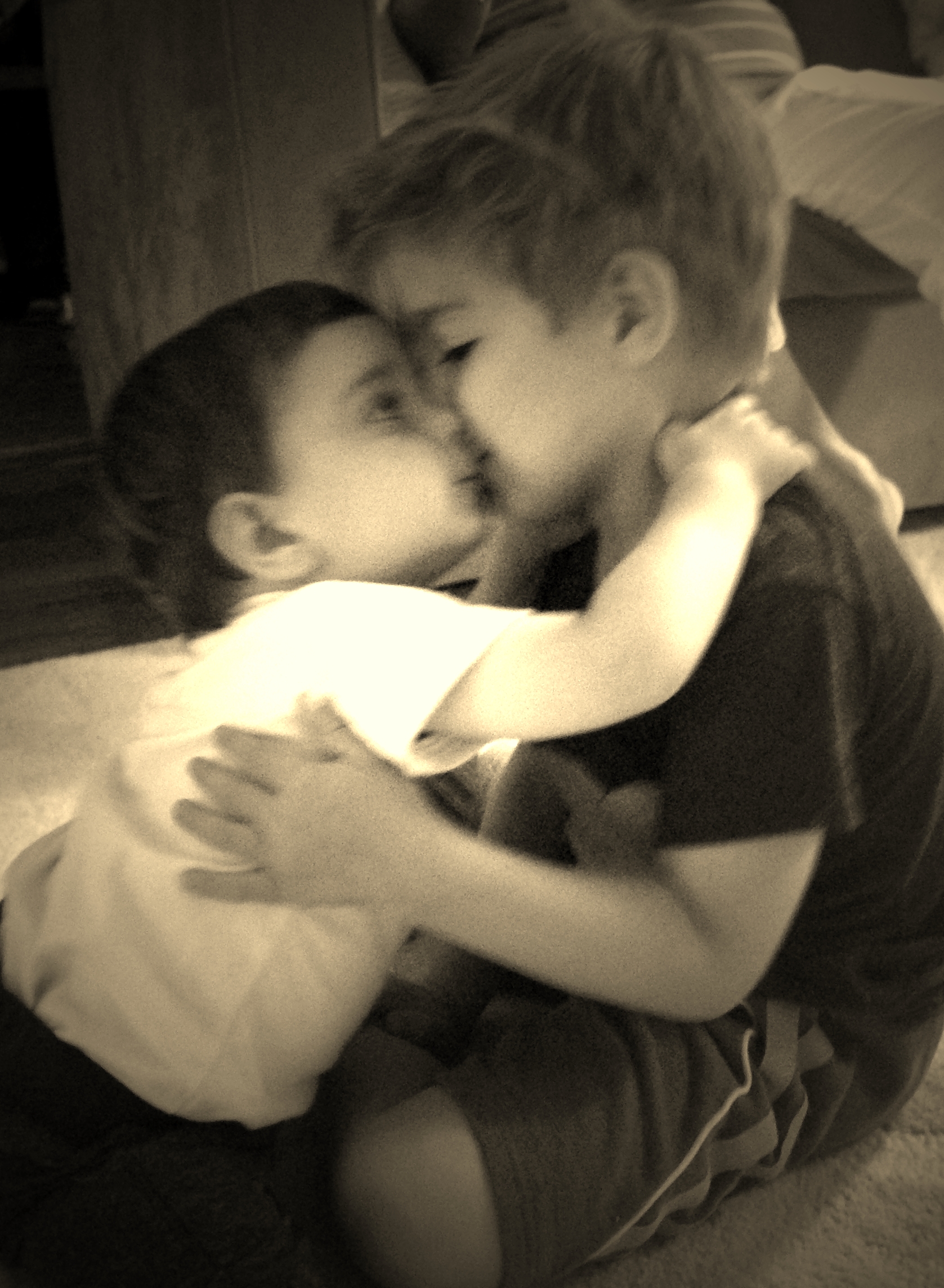
I haven’t disappeared.  As I said in my last post, it’s a hectic time of year, and I have been busy with non-blog-related matters.  Like spending time with these two, the sweetest little boys you will ever meet (and I am not biased):

Sepia Remy and Nate kissing


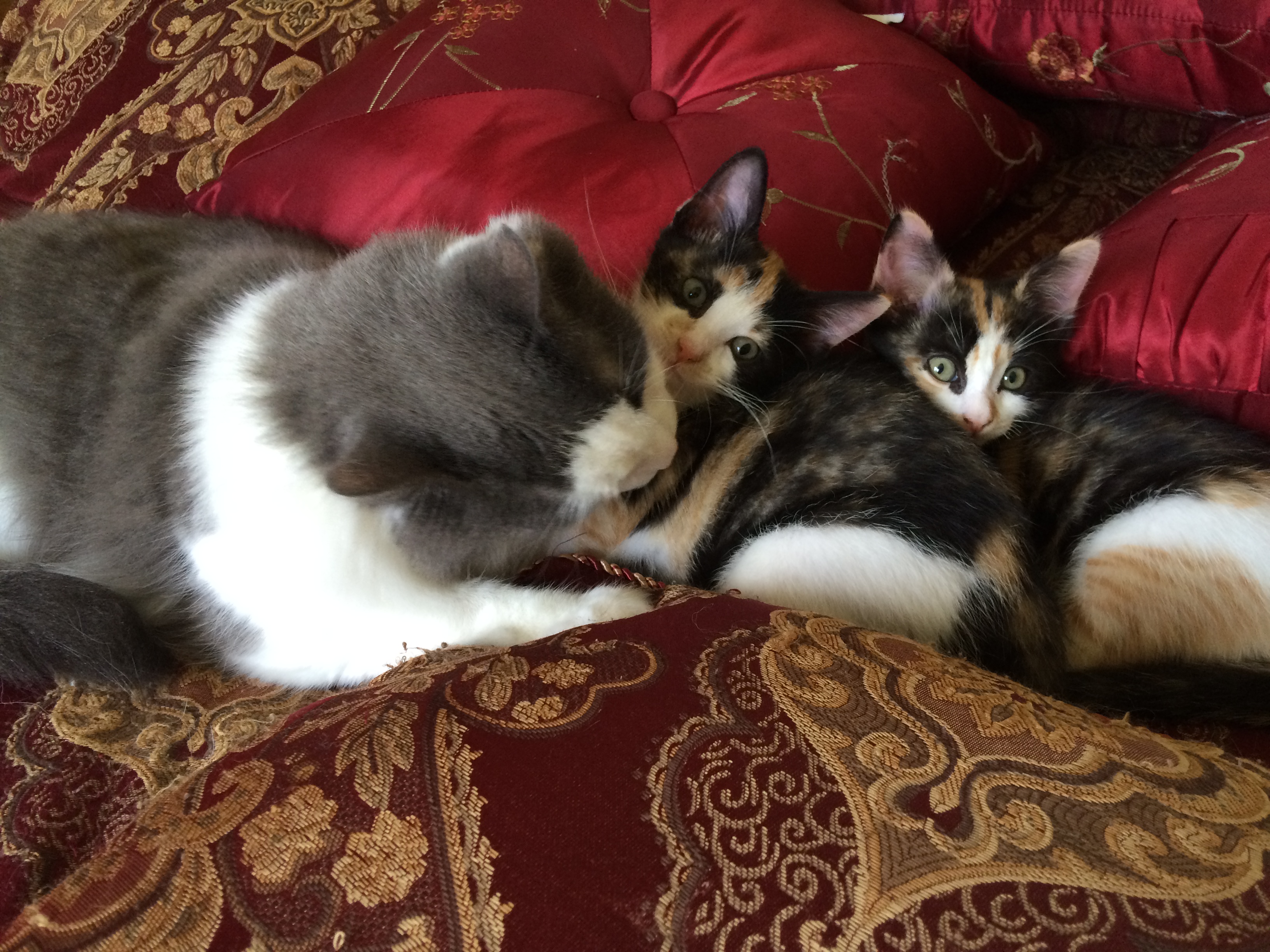
And with these three:

Three cats


And with my two September birthday girls (back in the 1980s):

Rebecca and Maddy


And then there’s the holidays.  Lots of eating and catching up with friends, less contemplation and introspection than expected.  But that’s okay.  Yom Kippur is next week.  There’s still time.

But in between all those activities, I have been hard at work researching my great-grandfather Isidore Schoenthal and his family.  I’ve found an incredible amount of information in a fairly short time (though much of the groundwork had been done much earlier).  Some of that is due to the fact that others had already researched some of the family lines; some is due to the new databases that have become available since I first started doing family history research.  Today I even found online some digitized German records of the births and deaths of some of the Schoenthals.

So I am hoping to start being able to pull together my notes and my thoughts and start blogging about the Schoenthals within the next week.  From what I’ve already learned, I think they will prove to be an interesting group to write about and, I hope, to read about.

Be back soon.

My Cohn Cousins: Journalism, Sports, and, Most Importantly, Family and Love


The first post about my cousin Bob Cohn and his family discussed the lives of his grandparents—both Joseph and Rose (Kornfeld) Cohn, his paternal grandparents, and Minnie and Moses Kremenko, his maternal grandparents.  It also discussed his parents, Harold and Teddi (Kremenko) Cohn and their untimely deaths, which left Bob and his brother Paul as orphans at a young age.  Bob and Paul went to live with their aunt and uncle, Beatrice (Kremenko) and Sol Berman, after their mother’s death in 1945.

Despite these tragic losses, both Bob and Paul went on to enjoy successful careers and full family lives.  Bob wrote:

Seven years later [in 1952] I joined the United States Air Force for four years and served in Texas, Alaska, and Montgomery [Alabama] editing base newspapers.  When I was discharged from Maxwell Air Force Base in Montgomery I used the GI Bill to enroll at the University of Alabama where I met [my wife] June in 1959.

I asked Bob how he became interested in journalism, and he told me he was inspired by his role model and uncle, Barney Kremenko.  Bob had told me that his Uncle Barney was a famous sportswriter, but I had no idea how famous until I read this entry about him at Baseball-Reference.com, one of the best resources for information about baseball.

Barney Kremenko was a sports writer with the New York Journal American; there, he covered Willie Mays’ first – and the Giants’ final – seven seasons and was, reputedly, the one responsible for Mays’ famous nickname, The Say-Hey Kid. 

Upon joining the Journal some years before, Kremenko’s initial assignment had been Madison Square Garden, where he covered hockey, college hoops and track and field. In relatively short order, however, he would find his metier when chosen to succeed outgoing Giants’ beat writer, Pat Lynch.

When the Giants left New York in 1958, Kremenko led the campaign to restore National League baseball to New York. When that call was finally heeded in 1962, he was the logical choice to cover the fledgling Mets. Thus, the eulogy delivered many years later by UPI’s Carl Lundquist: “Barney was with the Giants, the Mets, and now he’s with the Angels.”

By 1966, however, the Journal was absorbed in a three-way merger. Kremenko continued with the short-lived World Journal Tribune, but when that paper went under in 1967, he went to work in a PR capacity for both the NHL’s New York Islanders and the NBA’s New Jersey Nets. At the time of his death in 1990, he was still listed as a communications consultant in the Islanders’ guide.

Throughout those final years, however, Kremenko maintained his membership in the Baseball Writers’ Association of America and continued to edit The Scorebook, the journal presented annually to those attending the BBWAA’s New York chapter dinner. As fate would have it, Kremenko’s death came exactly one day before 1990’s New York dinner.

Paul C. Barton, Barney Klemenko, and Bob Cohn Photo courtesy of Bob Cohn

Paul C. Barton, Barney Klemenko, and Bob Cohn
Photo courtesy of Bob Cohn

After reading this, it was no surprise to me that Bob was inspired to be a journalist.  He was very close to his uncle, who often took him to sporting events as a child, and remained close to him as an adult.  At the University of Alabama, Bob became the editor of the student newspaper and after graduating got a job at the Montgomery Adviser in Montgomery, Alabama, covering the civil rights movement during the 1960s. Bob wrote:

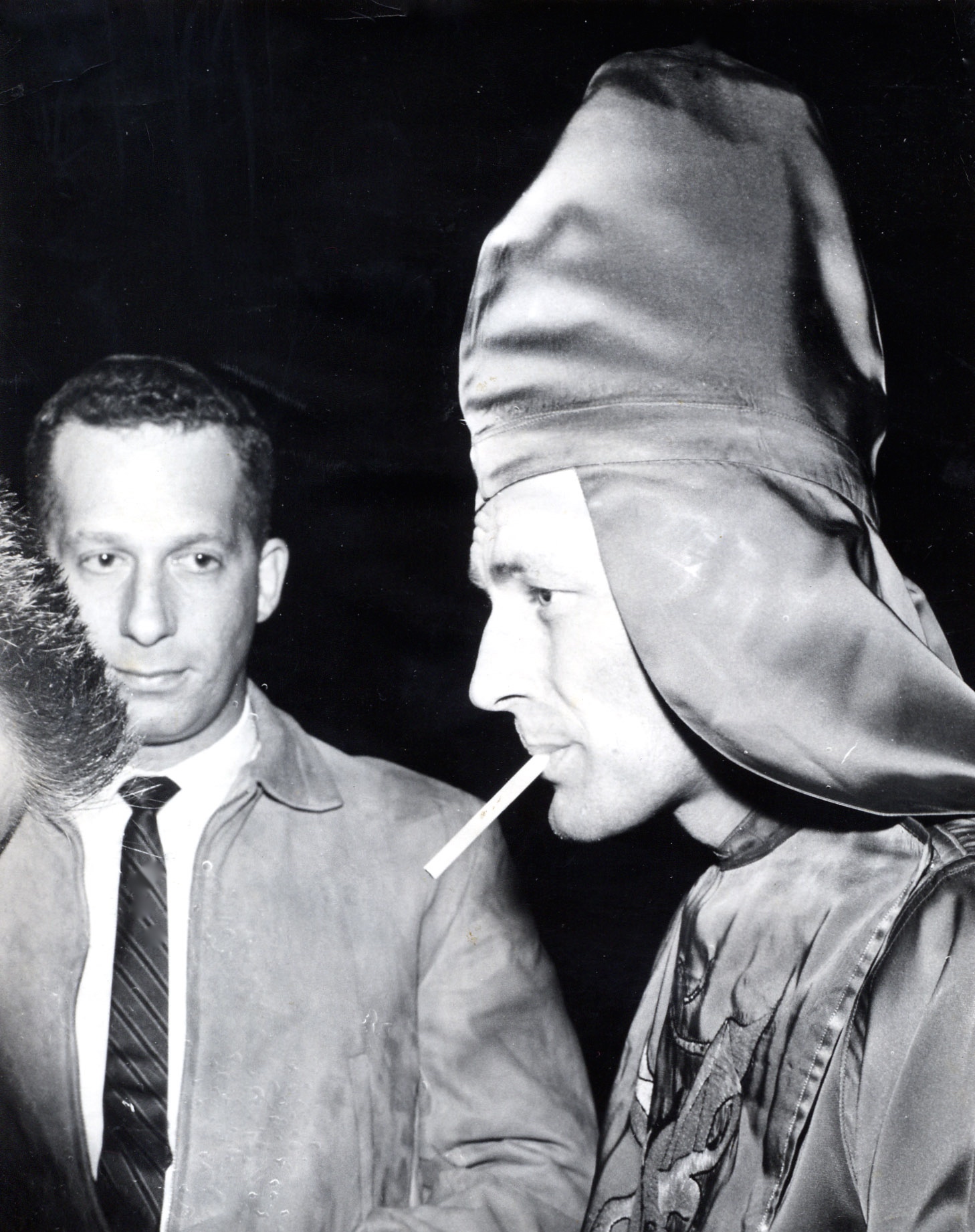
As a Jewish kid from Brooklyn, N.Y., I was improbably assigned to cover the Montgomery Police Department.  I was such an underdog that two brothers who were officers “adopted” me and made certain I got all the breaks on news stories.  Montgomery was the hotbed of racial violence and black protest.  It was there that the Dr. Martin Luther King, Jr., lived and preached.  It was in Montgomery that the “Freedom Riders” were beaten at the Greyhound Bus Station by the Ku Klux Klan while the police were deliberately absent from the scene.  I was there reporting on the violence.

Bob Cohn and Bobby Shelton, Imperial Wizard of the KKK, Montgomery, Alabama

Bob Cohn and Bobby Shelton, Imperial Wizard of the KKK, Montgomery, Alabama

I would love to hear more about Bob’s experiences during that time.

Eventually, Bob became the bureau chief in Atlanta for Morris Publishing, which owned several daily newspapers in the region.  His brother Paul had also settled in Atlanta after graduating from Emory University there.  Paul had changed his name from Paul Barton Cohn to Paul C. Barton after the bombing of the Temple, a Reform synagogue, on October 12, 1958, by white supremacists angry with that synagogue for its support of the civil rights movement.  Concerned about anti-Semitism, Paul decided to change his name to something less obviously Jewish.

Bob's brother Paul

Bob’s brother Paul C. Barton  Courtesy of Bob Cohn

Both Bob and Paul married women they met in college. Paul met his wife Joan Belger at Emory, and they had three children, Harris, Todd, and Jennifer.

Jennifer, Todd and Harris Barton Photo courtesy of Bob Cohn

Jennifer, Todd and Harris Barton
Photo courtesy of Bob Cohn

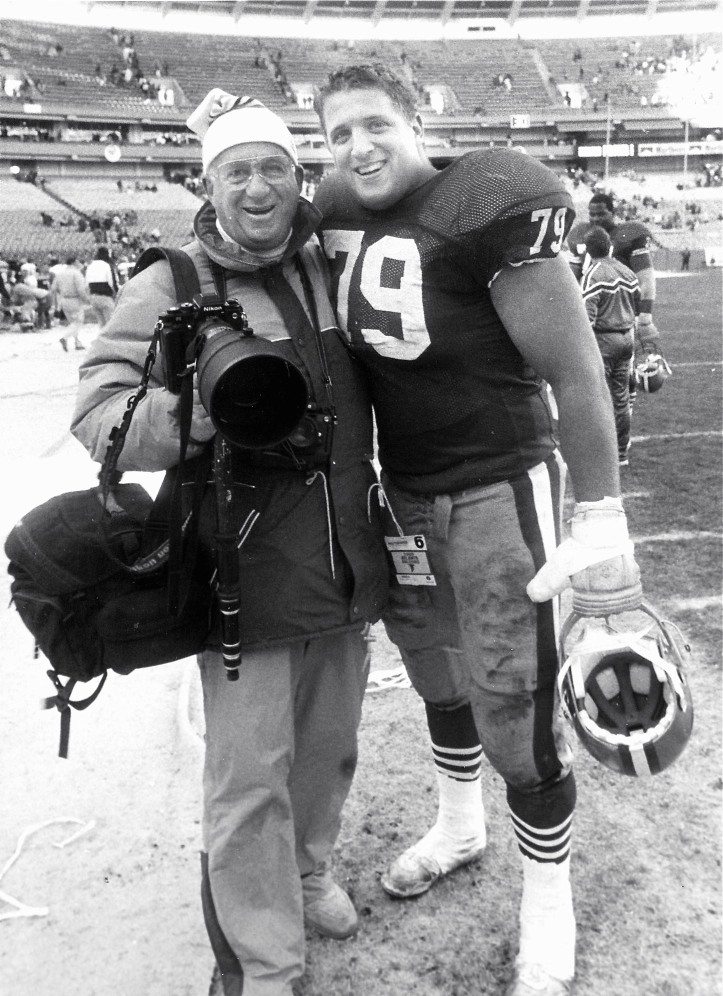
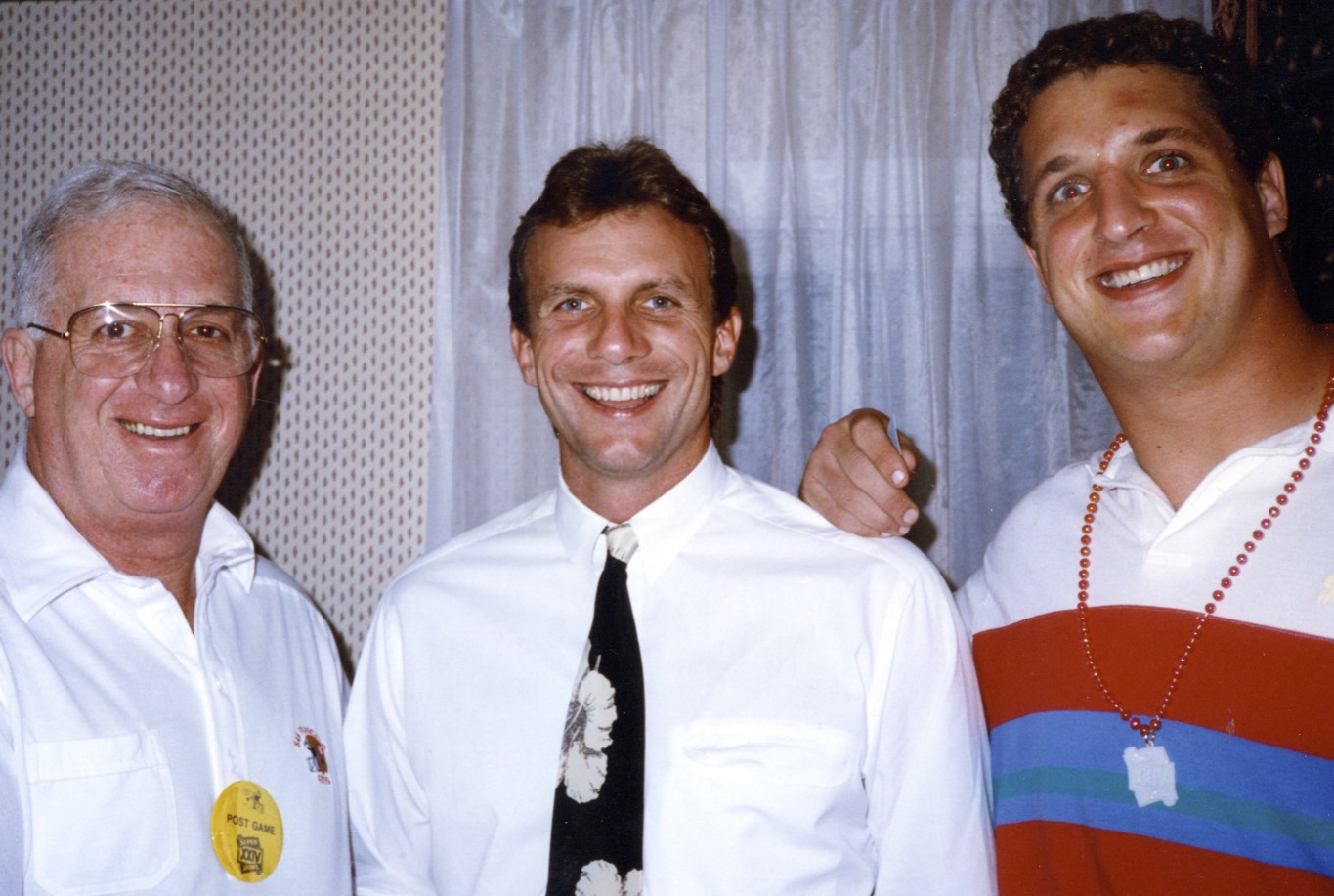
Their son Harris Barton was a star player for the San Francisco 49ers, definitely the first cousin I’ve found who had a career as a professional athlete.  Here is the entry from International Jewish Sports Hall of Fame website:

San Francisco 49ers offensive tackle Harris Barton was a Natiional Football League All-Pro selection four consecutive years: first team in 1991, 1992 and 1993, and 2nd team in 1990. He played in the 1993 Pro Bowl. Barton anchored the storied offensive line for superstar quarterbacks Joe Montana and Steve Young that provided the foundation for three 49er Super Bowl victories–1989, 1990, 1995. During his ten-year pro career, 1987-1996, Barton played 138 career NFL games, including 89 consecutive games. The 1986 University of North Carolina All-America was the 49er’s #1 draft choice in 1987. In his first season with the 49ers, Barton was named to the NFL’s All-Rookie team by the UPI, Pro Football Writers of America, and Pro Football Weekly.

Bob Cohn and Harris Barton after the NFC Championship game in Chicago

Bob Cohn and Harris Barton after the NFC Championship game in Chicago  Photo courtesy of Bob Cohn


Wikipedia also has a detailed entry as does the Pro-Football Reference website.   This article, from the Los Angeles Times and written in 1993 after Harris learned that his father was diagnosed with terminal brain cancer, reveals how important his father was to him.  Titled “The Good Son : 49er Lineman Harris Barton Discovers What Really Matters Is His Father,” the article, dated December 7, 1993,and written by Bill Plaschke, describes how learning of his father’s illness affected Harris and his focus on football.  Although Harris continued to play well, his priorities had shifted.

Barton also believes he is having a good year–as the right tackle, he has done well protecting left-handed Steve Young’s blind side.  But suddenly, preventing sacks is not as important as making sure his father can live the rest of his life in peace and dignity.

“When it comes to my family, football is on the back burner,” Barton said. “If anything comes out of me talking about this, it is that people should appreciate their parents while they still have them. Appreciate them now.”

Paul C. Barton died on May 25, 1994, at the age of 56.  Ten years later his wife Joan died from the same horrible disease, brain cancer.  She was 62.  They are survived today by their three children and seven grandchildren.


Bob Cohn with Joe Montana and Harris Barton Photo courtesy of Bob Cohn

Bob Cohn with Joe Montana and Harris Barton
Photo courtesy of Bob Cohn


 As for Bob, as noted above, he met his wife June at the University of Alabama.  Bob wrote this about June:  “She was a student from a small Alabama town about 17 miles from Tuscaloosa and she was (and is) gorgeous.” They married on June 5, 1960.
Bob and June's wedding

Bob and June’s wedding Photo courtesy of Bob Cohn

Bob and June Cohn in more recent days Photo courtesy of Bob Cohn

Bob and June Cohn in more recent days
Photo courtesy of Bob Cohn

They had three children.  As Bob described it:

Our first child, Terri Paula, was born [in 1961] in Montgomery and delivered by Dr. Robert Lightfoot whom I had met at a train wreck.  I was officially introduced to fatherhood when I held Terri in my lap and she peed on me.  … Susan was born in Augusta and Greg in Atlanta.  June noticed that every time we moved we had another child so she didn’t want to move again.

Terri, Greg, and Susan Cohn

Terri, Greg, and Susan Cohn Photo courtesy of Bob Cohn

With three children to raise and a need to earn more money, Bob left journalism in 1970 and founded his own public relations firm, which later became a partnership named Cohn & Wolfe.  It must have been difficult to leave his chosen field, especially after winning fourteen awards from the Associated Press and United Press.  But Bob’s decision proved to be a wise one as he had incredible success with his new business.  The firm was sold to Young & Rubicam in 1998 and now has 71 offices all over the world and still uses its original name despite the fame and reputation of its parent company.

Bob and June’s children were highly successful students and athletes, as are his grandchildren.  He wrote:

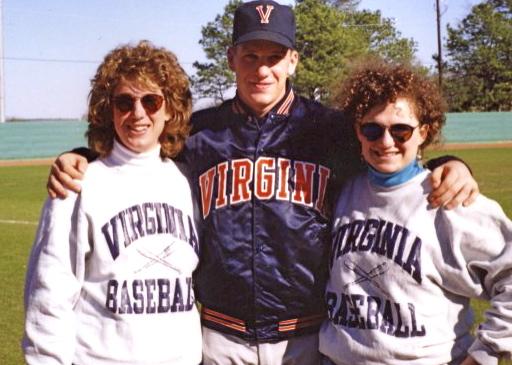
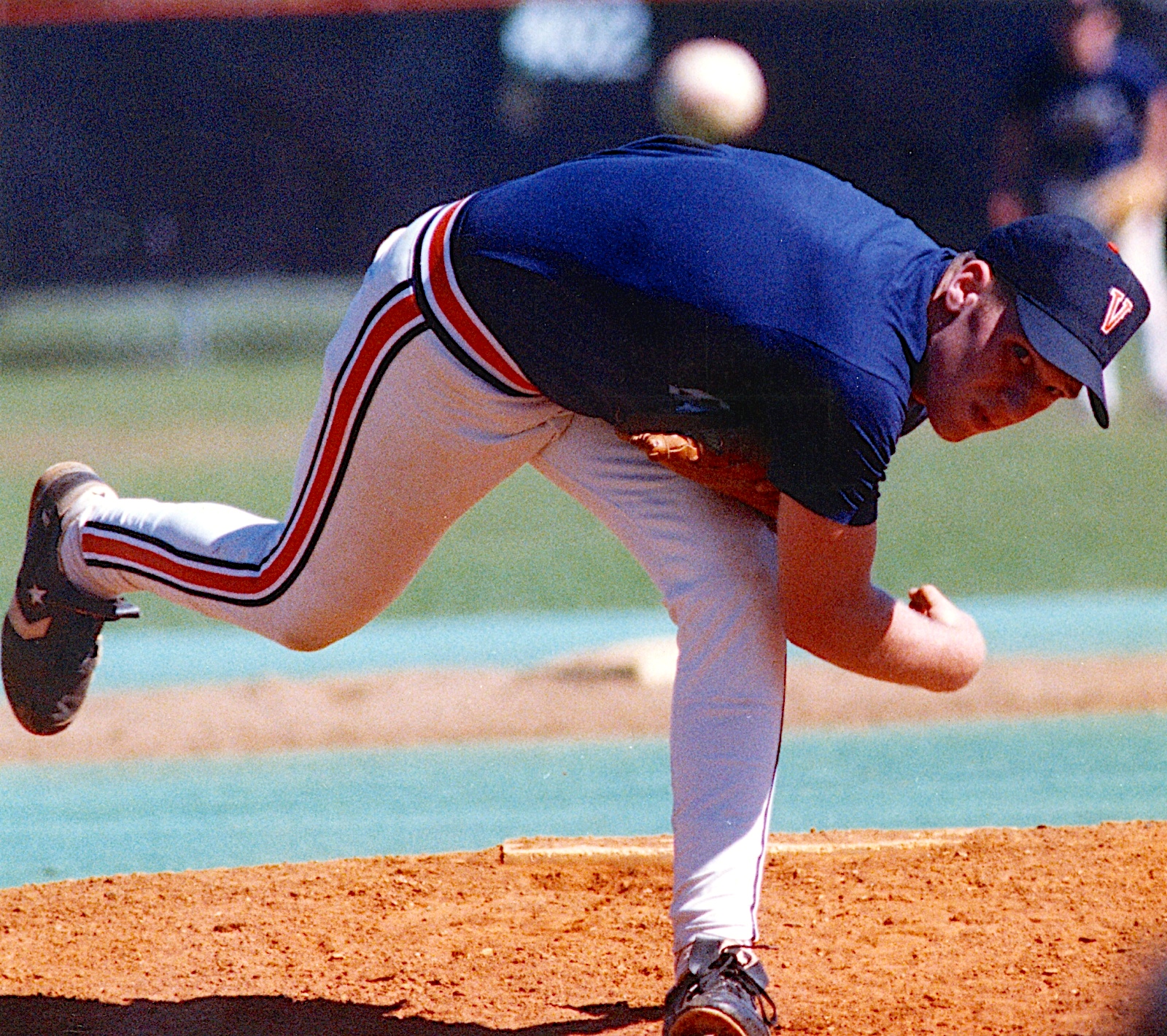
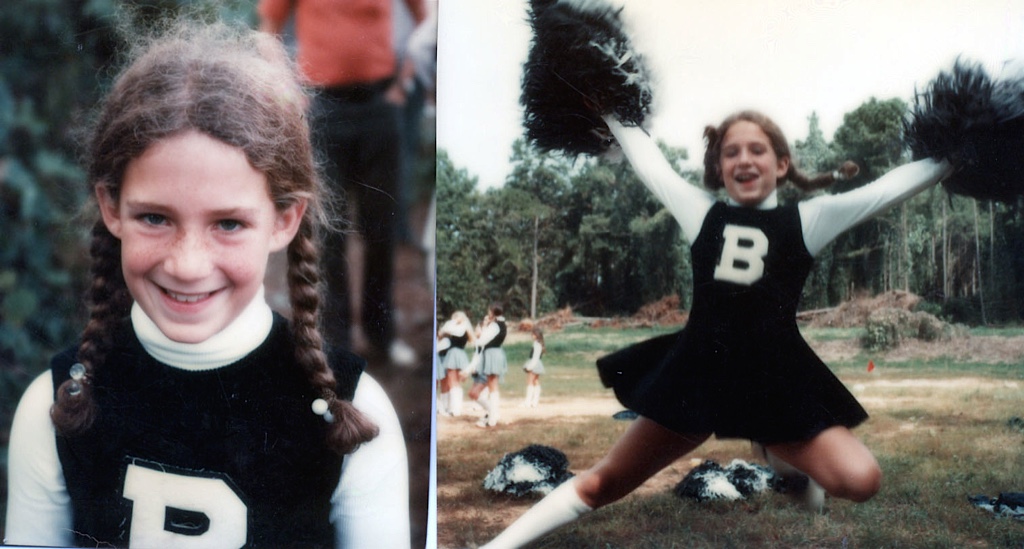
Both of my daughters were captains of their tennis teams at Lakeside High School. Terri was a finalist in the state tennis tournament. My son Greg, a pitcher, went to the University of Virginia on a baseball scholarship. During his runup to that he played on teams that won so many championships… I can’t remember how many. His three children—Grace (high school volleyball), Samantha (soccer, basketball, volleyball  and fast pitch softball) and Owen (football, basketball, an all-star baseball player and now playing lacrosse for the first time. Samantha’s team finished third this summer for the soccer national championships in Tulsa, OK. She and her team travel all over the country—San Fran, San Diego, Chicago, New York, Florida, etc. since she was 9 years old. Teams from Jacksonville and Orlando are in town this coming weekend to play Sam’s Tophat team, No. 1 in the state of Georgia. Samantha was tapped by the Olympic Development Program in soccer and is one of 60 girls in the South so honored, including Texas and Oklahoma.

Greg pitching for the U. of Virginia

Greg pitching for UVa

terri skiing

Terri and her husband David skiing

Suzie Cohn Polay

Susan cheerleading

The photos below are of Bob and June’s grandchildren engaged in various athletic endeavors.

DSC_0078 2 DSC_4134 DSC_5530 (3) copy DSC_5807 DSC_5978 DSC_7575 Scan 5.zzjpeg-2


Tragically, Bob and June’s daughter Susan died at age 46 on May 11, 2011.  She is survived by her husband Robert and their two sons, who continue to live in Atlanta.  Bob and June also continue to live in Atlanta as do their two surviving children, Terri and Greg, their spouses, and their five grandchildren.

Despite losing his parents at such a young age and then losing his brother prematurely and his daughter as well, Bob is a man of incredibly positive energy.  Listening to him talk about his family, his marriage, his children,and his nieces and nephews and all of his grandchildren, you can only hear a man who is filled with love and gratitude for what he has and no bitterness about what he lost.

I will close this post with some photographs of the next generations in the line going backwards from Harold Cohn and Teddi Kremenko to Joseph Cohn and Rose Kornfeld to Mary Seligman and Oscar Kornfeld to Marx Seligmann and Sarah Koppel to Jacob Seligmann and Martha Mayer, my 4x great-grandparents from Gaulsheim, Germany.

The next generation

Photos courtesy of Bob Cohn

next generation 2


Old Friends: Braided Forever

My mother has often spoken about how sad she was when her family decided to move from Brooklyn to the Bronx when she was about twelve years old.  There were many reasons she was upset.  For one, she had to leave her dog Sparky behind.  That broke her heart, and she still can’t talk about it without getting emotional.

Sparky 1934


But also she had to leave her best friend Beatty behind. Beatty lived in the same four-family house at 1010 Rutland Road in Brooklyn; she lived right down the hall from my mother.  They had been close friends all through childhood, and although they tried to stay in touch after my mother moved, back in the 1940s that was not at all easy.  Phone calls were expensive, and the trip from Brooklyn to Parkchester in the Bronx was a long one, especially for two young girls.  So over time, they lost touch.

Beatty and my mother c. 1940

Beatty and my mother c. 1940

Not too long ago my mother asked me if I could find Beatty.  She knew her first and last name from when she’d last seen her over 70 years earlier, but she had no idea where she was living or whom she might have married.  I tried to find her, but with so little information I had no luck.  If Beatty had married, it was after the last year of the publicly available NYC marriage index (1937).  The only information I could find related to her siblings, who had passed away.

So you can imagine how excited I was to receive a message on the blog last week from Beatty herself.  She was looking for my mother after seeing her pictures and childhood name on the blog.  I contacted Beatty, and I called my mother.  And I gave them each other’s contact information, and now they are reconnected after over 70 years.  I get the chills (and a warm feeling) whenever I think about it.

One of the stories my mother shared with me was about Passover at Beatty’s house.  Her father led the seder in a very serious way, and as many of us know, a traditional seder can get quite long and quite boring, especially for young children.  To keep themselves from misbehaving and talking, my mother and Beatty would braid the fringes on the beautiful tablecloth that adorned the seder table.  When my mother shared this memory with Beatty, she said that she also had shared that story with her children.

The tablecloth still exists, and even more remarkable, the braids made by my mother and her best friend Beatty are still there as well.  Here is the photograph to prove it.

Beatty's tablecloth

Beatty’s tablecloth

tablecloth with braids 2

My mother was once my Girl Scout troop leader, and one of the songs we sang had the lyrics, “Make new friends, but keep the old.  One is silver, and the other gold.”  My mother and Beatty certainly know the truth of that message.