
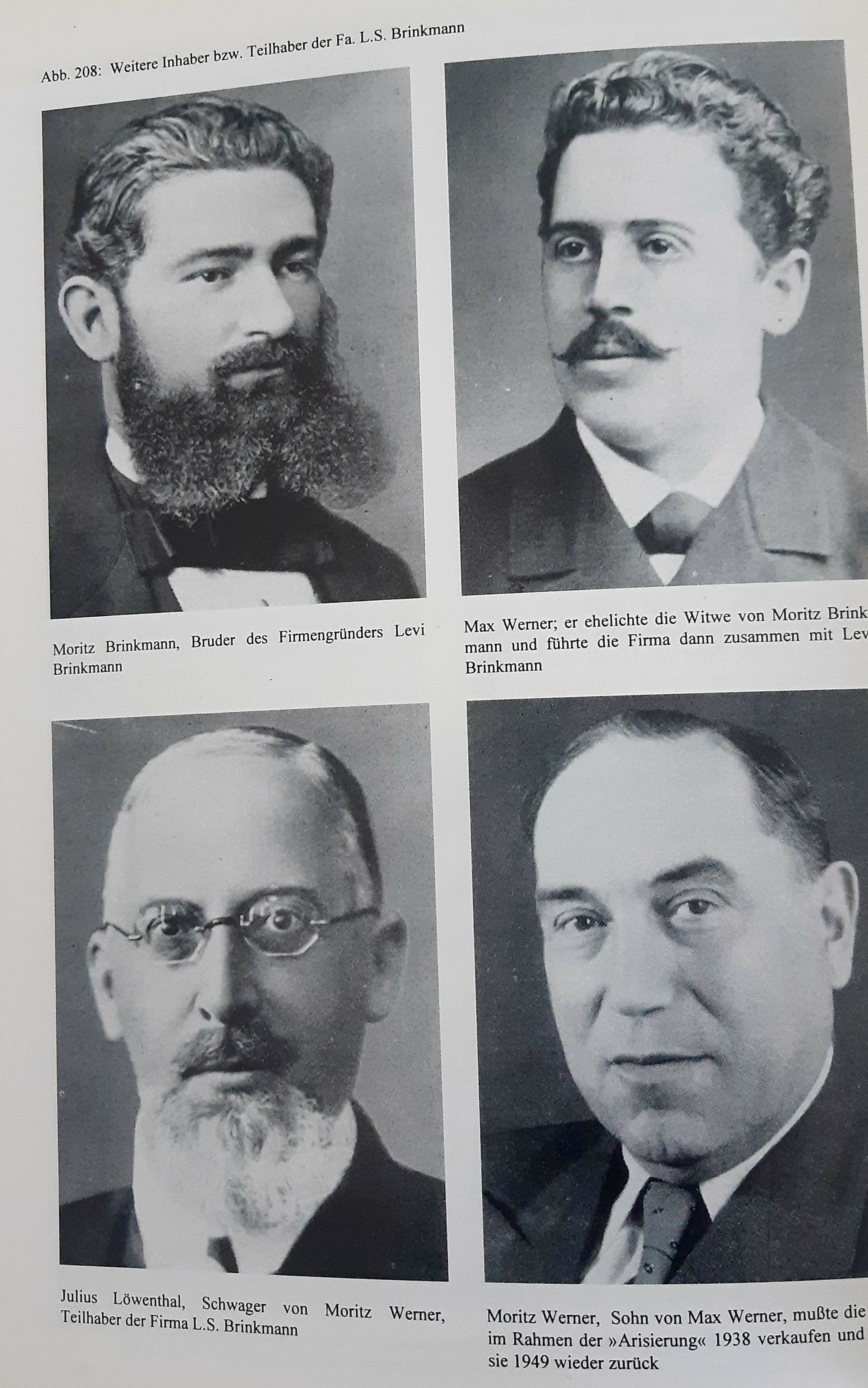
When Max Werner II was born on September 5, 1922, in Eschwege, Germany, to Moritz Werner and Jenny Kahn, his paternal grandparents Max Werner I and Helene Katzenstein had both passed away. His father Moritz was one of the owners of the LS Brinkmann Knitwear Company, and the family was living a very comfortable life.
Max’s daughter Joyce described her father as “an indulged only child from a wealthy local family.” Her sister Judith noted that their father “was an only child, and he was a very solitary child. His main companions were the chauffeur Petach and his dog.”1
Here are some photos of Max as a child including two with the dog, two in the garden of the family’s home in Eschwege, and one with his nurse or nanny.

Max Werner with nurse Courtesy of the family

Max Werner Courtesy of the family

Max Werner in the garden of his family home in Eschwege Courtesy of the family

Max Werner in the garden of his family home in Eschwege Courtesy of the family

Max and his dog Courtesy of the family

Max Werner c. 1934
But everything changed with the rise of the Nazis. Joyce and Judith both shared what they knew about the way life changed for their father and grandparents. Judith wrote, “Things became more and more difficult at school for my father, but he never complained to his parents. Except one day the kids from his school surrounded him with knives, and my father was seen fending them off with his leather satchel by friends of my grandparents.”
Joyce shared additional details about that incident:
Our father, a tall, strong pre-teen, was having terrible trouble at school. Not only did he face taunting and attacks from boys in the Hitler Youth, but teachers also joined in the Jew baiting. I recall that he told me on one occasion that another Jewish boy (small and reedy) had been beaten up by some classmates and the child made the mistake of telling the teacher. The teacher got out his strap and announced to the class, ‘Now I will show you how you should beat a Jew.’ Our father in general held his own well and was known to be strong and aggressive, and classmates generally steered clear of him. However, the incident Judy described was a final straw – especially as during the ensuing fray which took place on the school stairwell after class, he picked up the lead troublemaker and hurled him down a few stairs causing a broken nose. At home, he couldn’t hide the marks of the fight, confessed all and was sent that same night to Zurich to his Aunt Rosa [Werner] Wormser [sister of their grandfather Moritz Werner].
Max spent four or five years living away from his parents in Zurich. Although he was generally happy and became very close to his cousin Julius Wormser during those years, Joyce described the deeper impact these experiences had on Max:
The experience was formative for him. Although he had many good memories of his life in Zurich, he was separated from his home, parents, and his former life. I think the main lesson he learned was ‘fight back’. Sadly (in my opinion) he also learned that, in reality, ‘might is right’. I believe it was this which affected his personality. Used to getting his own way as an adored (and unexpected) child, seeing the brutality of life in Germany and the fact that bullies get what they want and the weak suffer, he made a decision there and then. It shaped him as a person who was determined and uncompromising. He was logical and intelligent, but when he was crossed or disagreed with someone, he could be very aggressive – both verbally and physically.
Meanwhile, Max’s parents Moritz and Jenny were still in Eschwege, Germany. Judith wrote that:
My grandfather was generous with everybody and was always ready to help those in need whether Jewish or not. He and my grandmother for many years helped to support and educate a young boy whose father had died and whose mother needed assistance. In the 1930s, my grandfather … was helping members of the family and others leave Germany but he himself did not believe that Nazism would survive in Germany. My grandmother, on the other hand, was ready in 1933 and packed. But they did put a lot of money into antiques and Old Master pictures. They were aware that they were not allowed to take much money but were allowed to take personal possessions.
Joyce also described the way their grandparents differed in their reactions to the rise of Hitler:
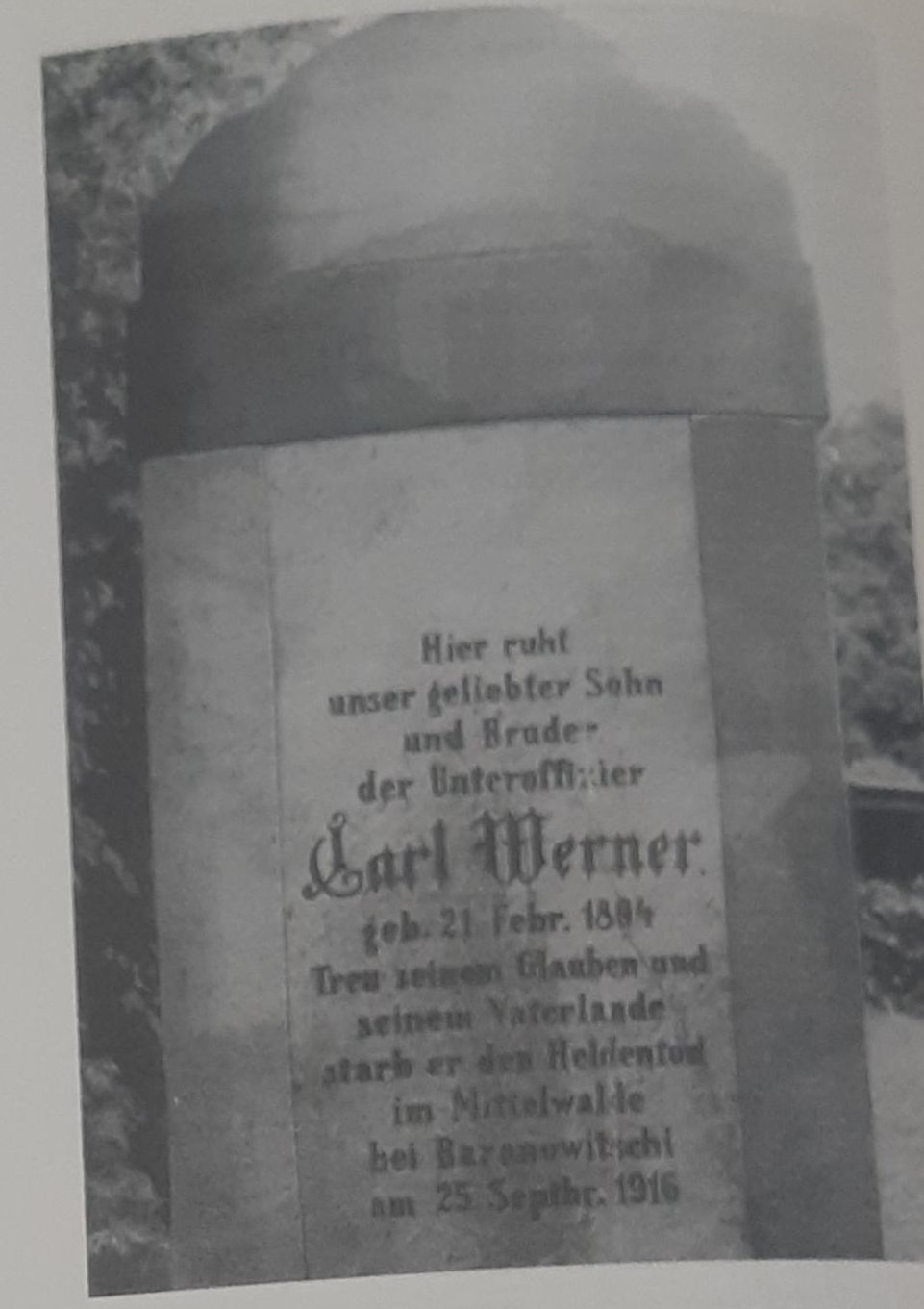
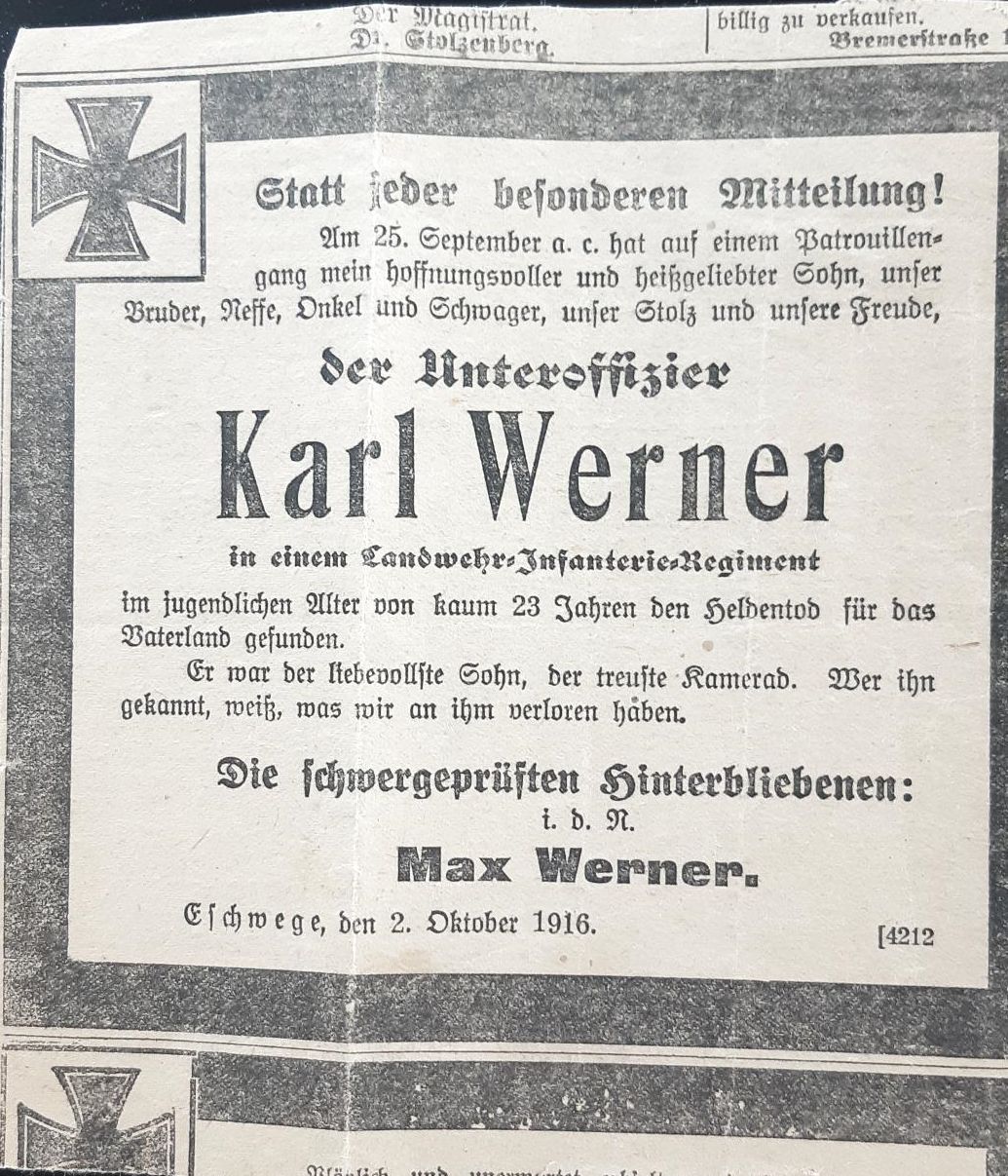
Our grandmother Jenny was alert to the danger Hitler posed from the very start. She believed his rhetoric and said that if he came to power, he would enact every threat against the Jews he had scapegoated for Germany’s ills. Our grandfather Moritz, like so many, believed such things would never happen in the ‘fatherland’ for which he had fought at great personal cost and for which his brother had given his life. Consequently, she quietly prepared for emigration by investing in ‘movable assets’ e.g. art and antiques.
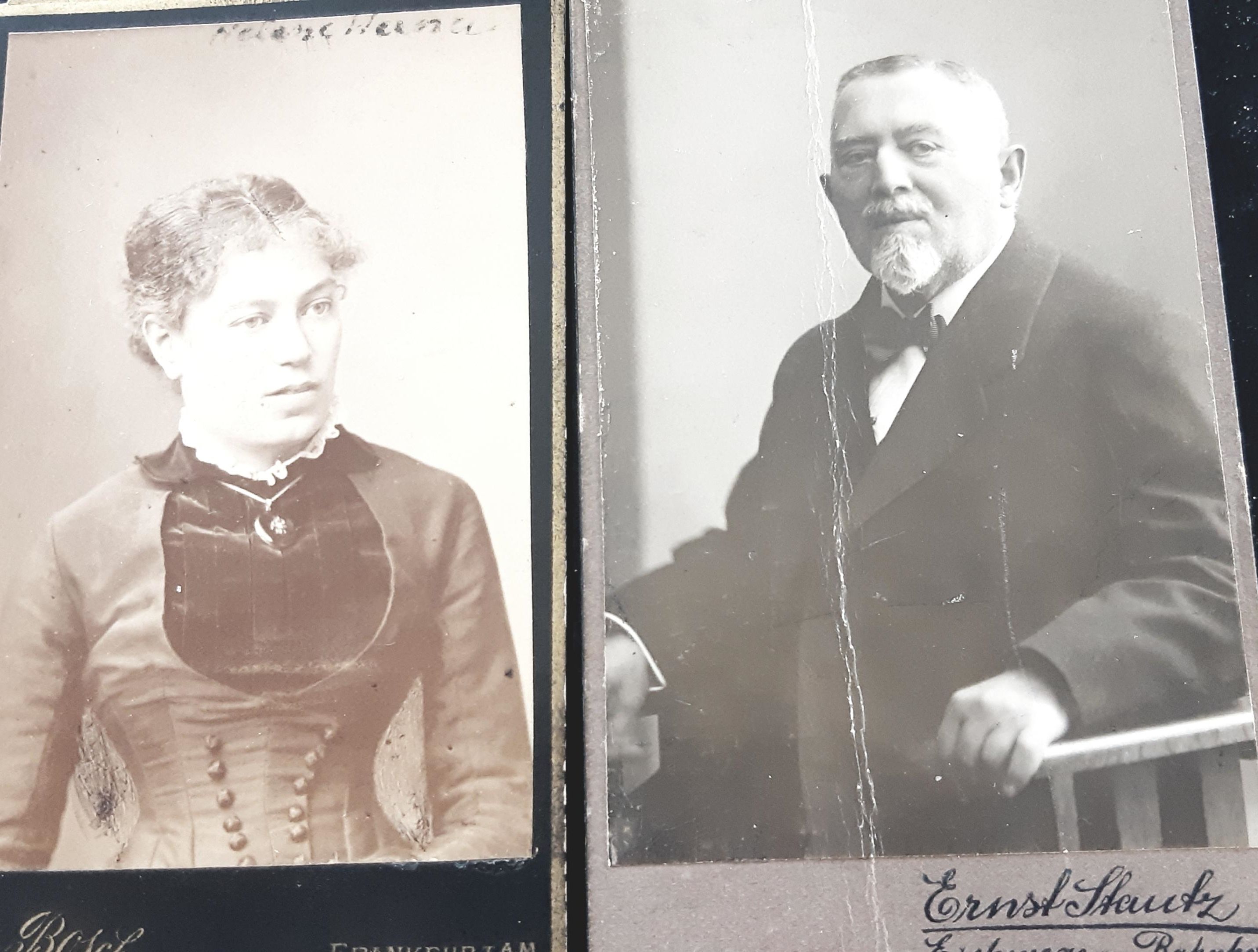
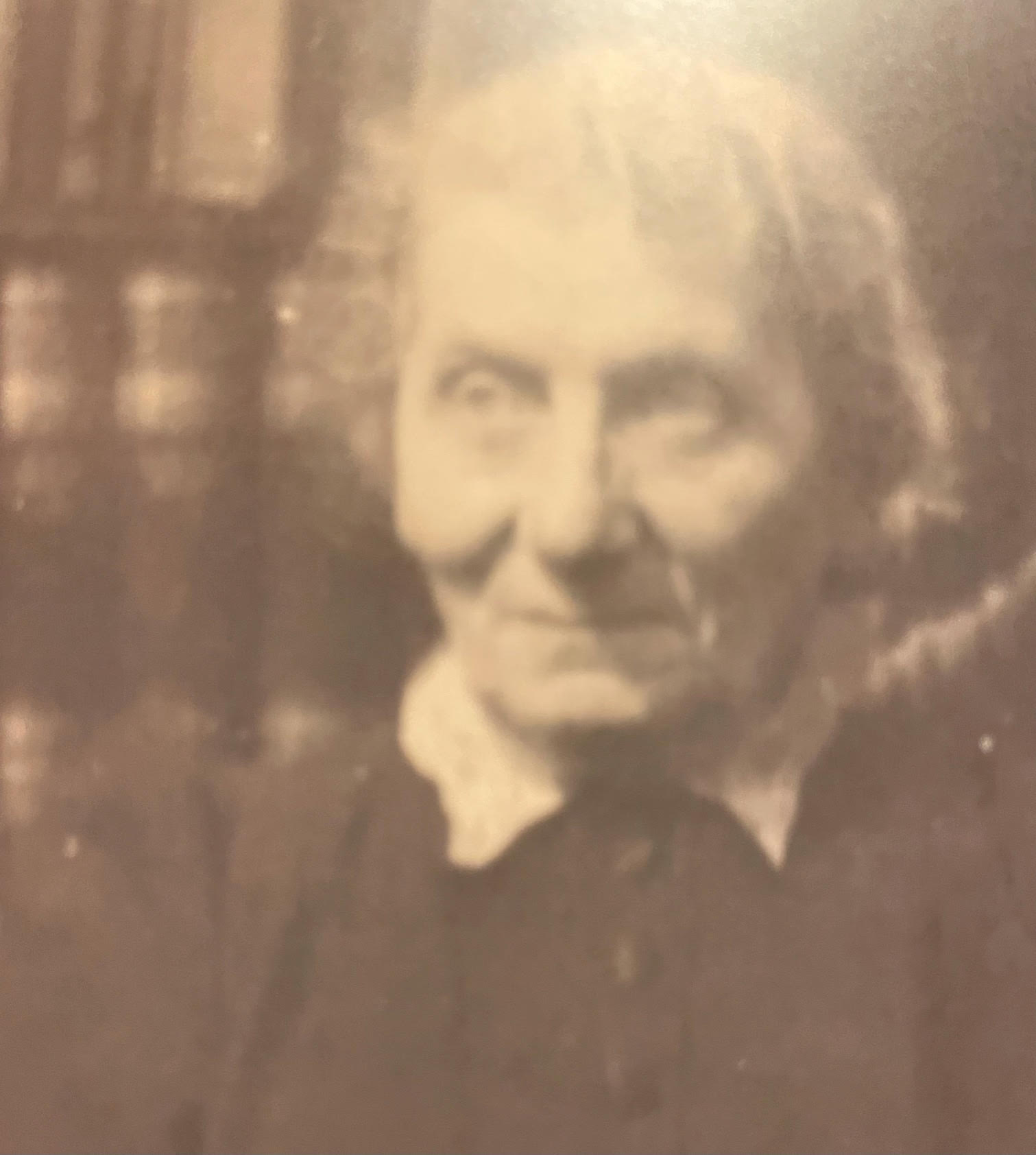
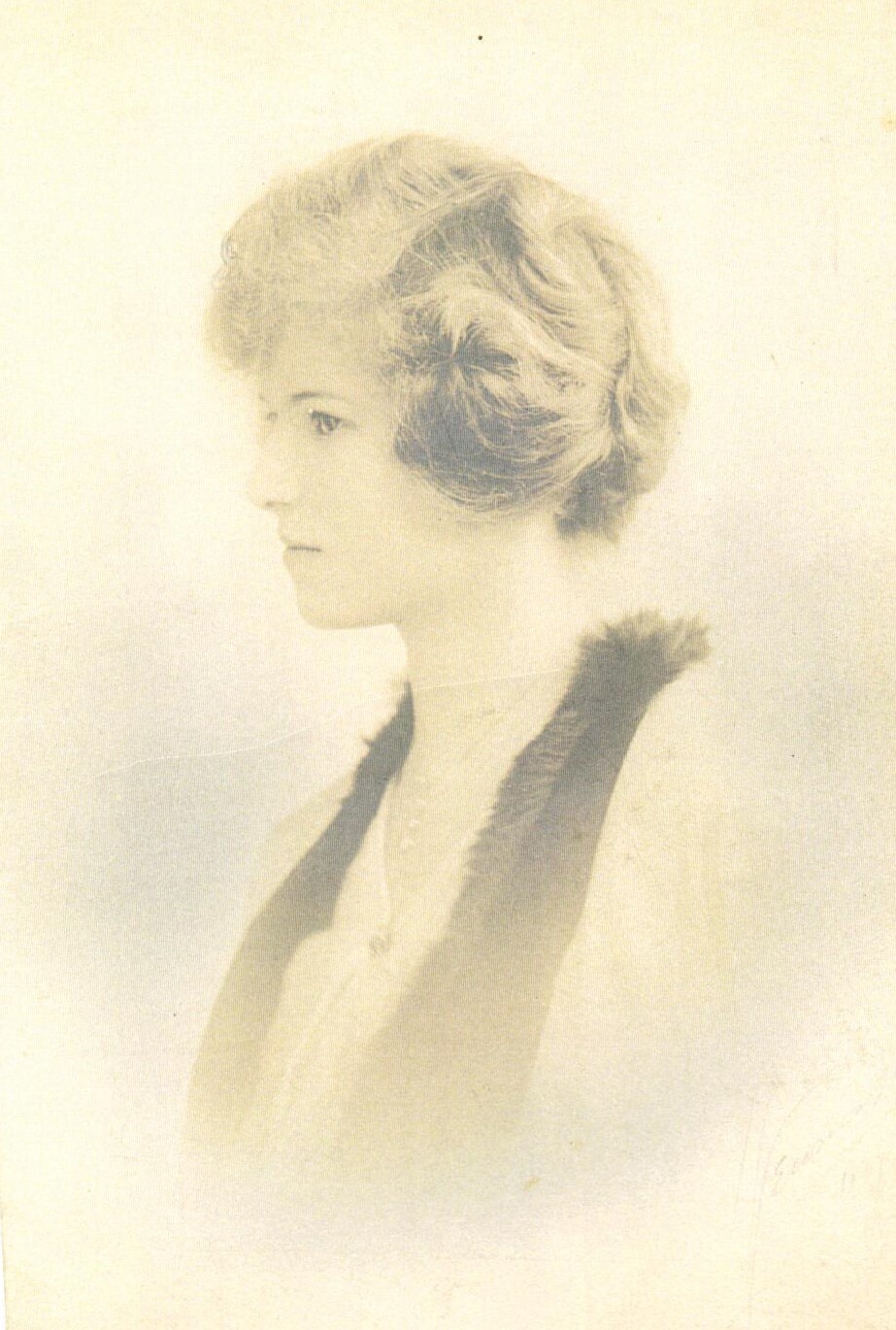
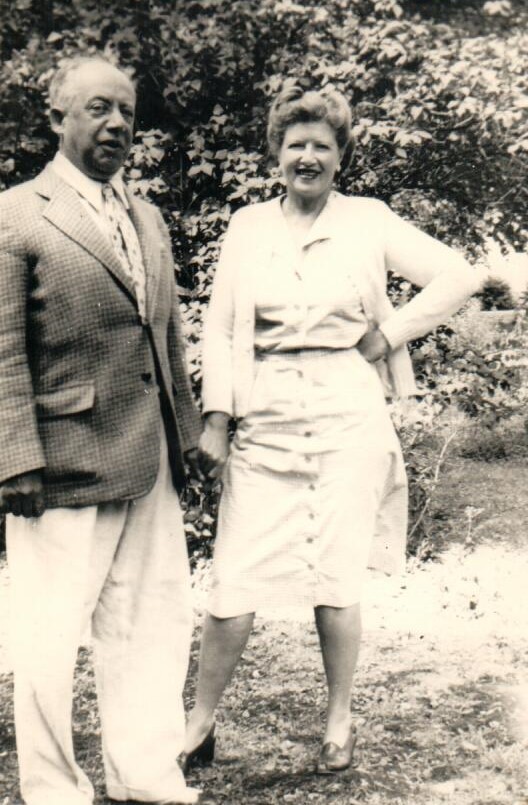
Here’s a photo of their grandmother, Jenny:

Under Hitler’s Aryanization program, Moritz was forced to sell LS Brinkmann in 1938, as I wrote about here. According to Judith, shortly before World War II started in September 1939,
The Bishop of the area came to my grandpa and told him it was time for him to leave. That it was too dangerous for him to stay. … So after that my grandfather went to the area comandante in Kassel in order to get a pass to exit the country. This person happened to be somebody who had served in the first World War under my grandfather in the cavalry. So this gentleman gave my grandfather a bit of a problem, and my grandfather, who had the use of a stick, banged it on the man’s desk and gave him a thorough dressing down. He got his pass. Then my grandparents took the chauffeur driven car up to either Hamburg or Bremen and took a ship to England.
Max soon thereafter joined his parents in England and attended school and then Leeds University, where he studied engineering. Moritz and Jenny were able to sell some of the art and antiques they took with them from Germany not only to support themselves, but to invest in a new company in England. Joyce wrote:
My grandfather – with extraordinary energy and determination in my opinion – found a couple of partners and started a new company ‘Benlows’ selling cigarette lighters. It became so successful that after the war it became a public company floated on the Stock Exchange.
Thus, Moritz, Jenny, and Max were able to escape from Nazi Germany and survive the Holocaust. But not without enduring a forced sale of their successful business, harassment and violence, displacement from their home in Eschwege, and a long separation of Max from his parents. As Joyce wrote, this had a lasting impact on Max and presumably also on Moritz and Jenny.
In the next post, Joyce and Judith will share the story of what happened to the family after World War II ended in 1945.
- Again as in the last post, the quotes, photos, stories, and information from Joyce and Judith came from a series of emails we all exchanged during May and June, 2022. I am so grateful for all their help and generosity. ↩






































 Brotmanblog: A Family Journey