Happy 4th of July!

English: Statue of Liberty Gaeilge: Dealbh na ...

English: Statue of Liberty Gaeilge: Dealbh na Saoirse (Photo credit: Wikipedia)

Happy 4th to all of you who live in the US!

I know my country isn’t perfect. I have never been blind to the mistakes our country has made nor am I blind to our continuing problems with racism, sexism, homophobia, poverty, and violence. And I know, especially after traveling this summer, that people all over the world love their countries and are proud of their history, their culture, and their heritage despite the mistakes and problems of  those countries.

But this is my home, and I am deeply grateful to my brave ancestors who had the courage to come here to seek a better life and freedom from oppression and prejudice and violence.  I am so grateful to my immigrant ancestors: Hart Levy Cohen, Jacob Cohen and Rachel Jacobs, Bernard Seligman, John Nusbaum and Jeanette Dreyfuss, Gerson Katzenstein and Eva Goldschmidt, Isadore Schoenthal, Joseph and Bessie Brotman, and my grandfather Isadore Goldschlager, who came by himself as a teenage boy and walked across Romania to get to this country, leaving his parents and siblings behind.  How can I ever take that for granted?

So today I say happy birthday to the United States of America and thank you for giving my ancestors a place of refuge and opportunity and a home for their children, their grandchildren, and all their descendants.

English: Fireworks on the Fourth of July

English: Fireworks on the Fourth of July (Photo credit: Wikipedia)


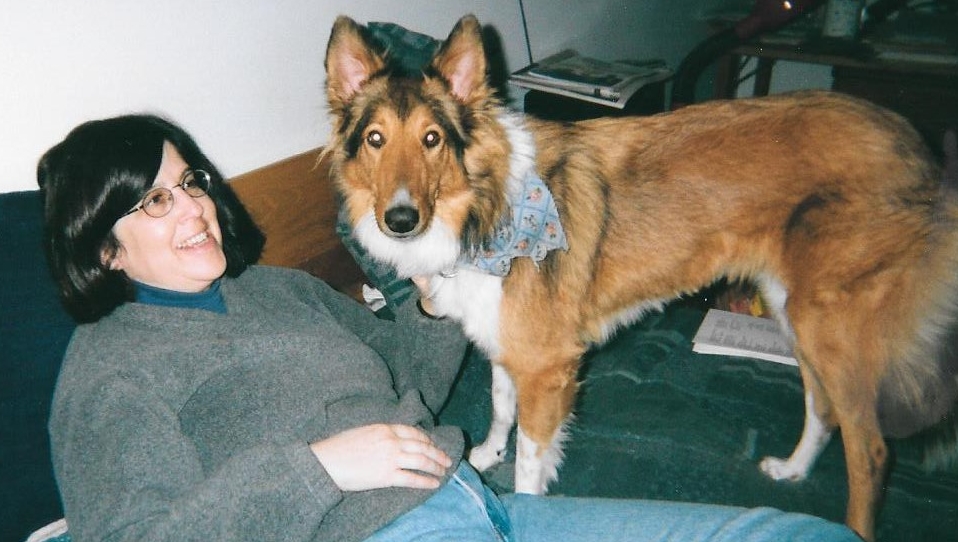
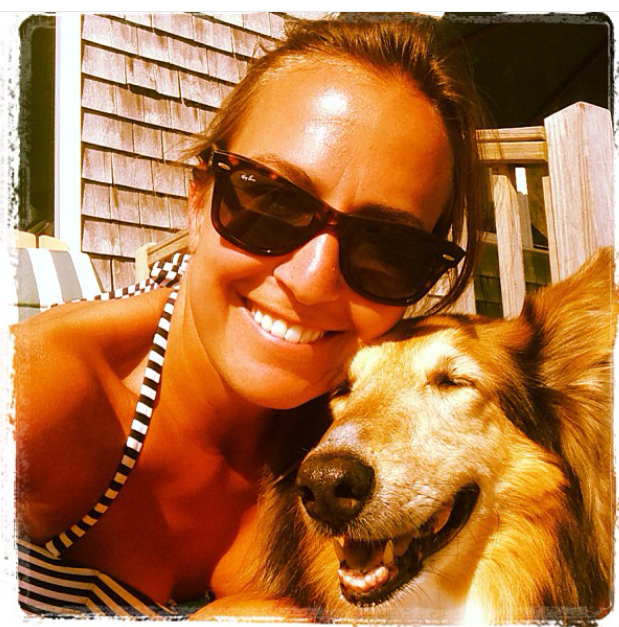
Cassie  July 2000-June 2015


Cassie

Cassie

We said goodbye to our wonderful dog Cassie this week.  It was a terribly hard and upsetting decision, but she was failing, and her quality of life had deteriorated to the point where we knew we had to make the right decision for her.  We are at peace. She lived a good and  long life for a dog.  But we are also incredibly sad.

Cassie was a pound puppy.  We got her at the Thomas J. O’Connor animal shelter in Springfield, Massachusetts, in the summer of 2001.  The police had picked her up after finding her tied to a tree in a trailer park in Chicopee, and no one would claim her as theirs.  She had been in the pound for only a few days when I saw her on Petfinders.com and suggested we go take a look.

She was skinny, dirty, and overly excited.  Harvey and Maddy were skeptical, but I was in love, and I knew right away that she was sweet and gentle and loving.  And I was right.  Cassie never once growled at a person or a cat, and she only growled at dogs if they invaded her space, which wasn’t very often.  She never, ever hurt anyone.  She loved everyone.  When we told family and close friends that she was gone this week, everyone described her as loving and sweet and gentle.

August 2001

August 2001

Our vet estimated that she was about a year old when we adopted her at the end of July, 2001, so we assigned her a birth date of July 31, 2000.  She took almost no time to adapt to living with us.  She was clean and playful and smart.  She could run like the most graceful of animals.  The first time we took her to the beach, she ran all the way up a high dune.  We raced after her, fearful we’d never see her again, but there she was waiting for us at the top.  It took a long time before she was ever let off the leash again.

Cassie was with us during that dreadful fall of 2001 in the aftermath of 9/11.  She was such a positive distraction.  When my family, all shaken still by the events of that September, gathered for Thanksgiving, it was Cassie who made us laugh.  She was still new and puppy-like, and she’d run from one member of the family to another, excited and happy.

My dog and me November 2001

My dog and me November 2001

November 2001

November 2001

Once she settled in, she became calm and unflappable.  No matter where we took her—to the Cape, to a new house, to a temporary apartment before our new house was ready, to our cottage—she adapted almost instantly.  We even once dragged her all the way to Geneva, New York, so she could visit Maddy at college.  She was great in the car, great with children, and great with us.  I often felt badly that she was growing up in a home with no small children since she would get so excited any time she saw a young child.  And children loved her.  She would kiss them, and they would hug her.

So gentle with Nate as a five month old

So gentle with Nate when he was a five month old

SONY DSC

And with Nate when he was three

About the only thing she didn’t like were elevators.  Can’t say that I blame her.  She liked going to the groomer, she liked going to the vet.  She liked strangers, she liked anyone.  She didn’t bark at people at the door or those who entered our home. She never jumped on people or pushed them around, despite the collie herding instinct.  She was definitely not a watchdog.  She was a love dog.

Cassie and Maddy

100_0336

And our cats Smokey and Luna adored her.  From when they were little kittens, they would curl up on her, and to the very end of her long life, Smokey still treated her like his mother, kneading his (clawless) front paws into her belly and nuzzling his nose into her fur.  The only thing that seemed to light up Cassie’s eyes as she declined was Smokey.  She would even chase after him a bit to play.

100_1054

Look how gently she handled Smokey as a kitten

100_1053

IMG_0579


100_1111


Cassie and Smokey


Cassie was an incredible companion—on long walks in the neighborhood or the woods or the beach (even though she didn’t love the beach much) and just being with us in our home.  She was always right there with us wherever we went.  I can’t tell you how much we will miss her and how much we agonized over her decline and our final decision to give her peace.  But she had been there for us, and we had to be there for her.

So we are at peace.  She is no longer distressed and confused, and we can look back with deep love and gratitude for the fourteen years we had her with us.  Goodbye, Cassie.  You will always be our dog, and we will always keep you in our hearts.

100_1326

Happy Fathers Day!

Today I want to pay tribute to all the fathers in my family tree, in particular my own father, who is always a source of inspiration for me.  He is passionate about many things—most of all his family, but also art, music, politics and human rights, the environment, cats and dogs, food and drink, and, of course, architecture.  His passion for all of these things is matched by his knowledge about them and his continuing curiosity about everything, except maybe computers.

Happy Fathers Day also to my husband, Harvey, with whom I also celebrated our 39th anniversary this weekend.  I could not have asked for a better father for my own children.  He’s been my parenting partner from the beginning—a totally engaged, loving, caring, and attentive father.  My daughters are sweet and kind and compassionate because they have him as their father.

Happy Fathers Day also to my son-in-law Brian.  He is a wonderfully devoted father whose face lights up with joy whenever he is with his sons.

And Happy Fathers Day to all the other fathers out there as well.

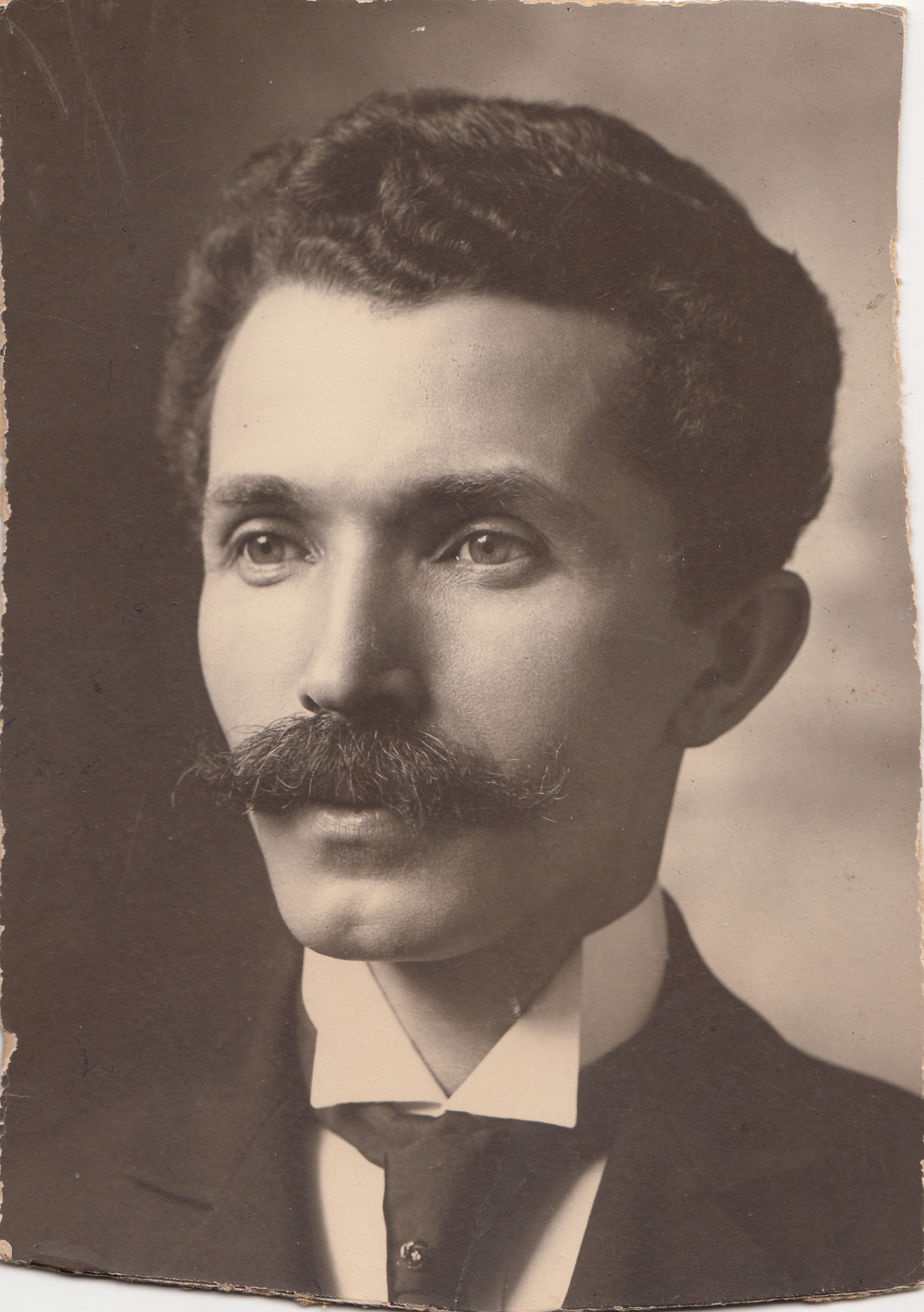
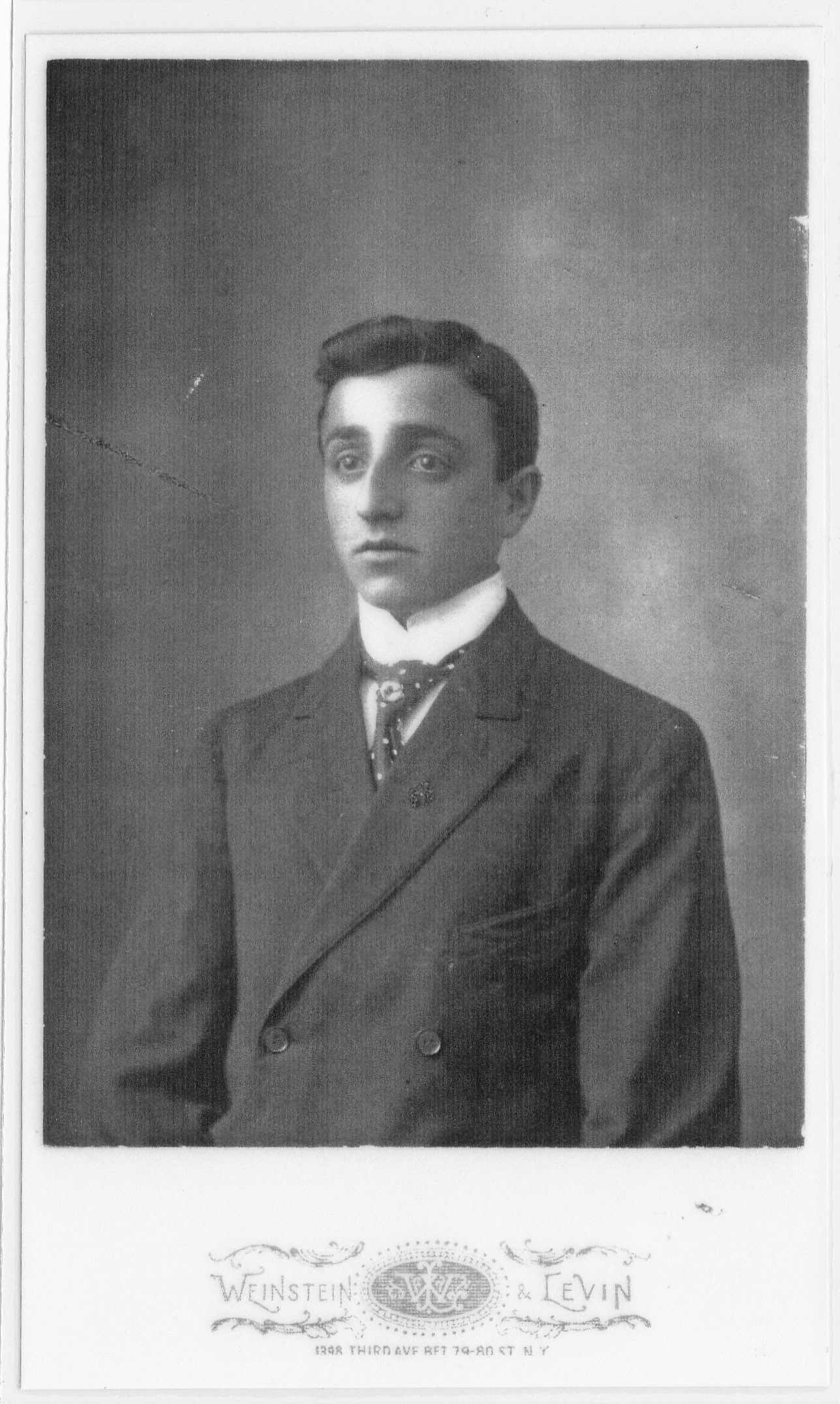
What follows are photographs of all the fathers in my direct lines for whom I have a photograph or at least a photograph of their headstone.

amy and john 1954 abt

My father and me

Eva Schoenthal and John Cohen, Jr. 1923

Eva Schoenthal and John Cohen, Sr. 1923  My paternal grandparents

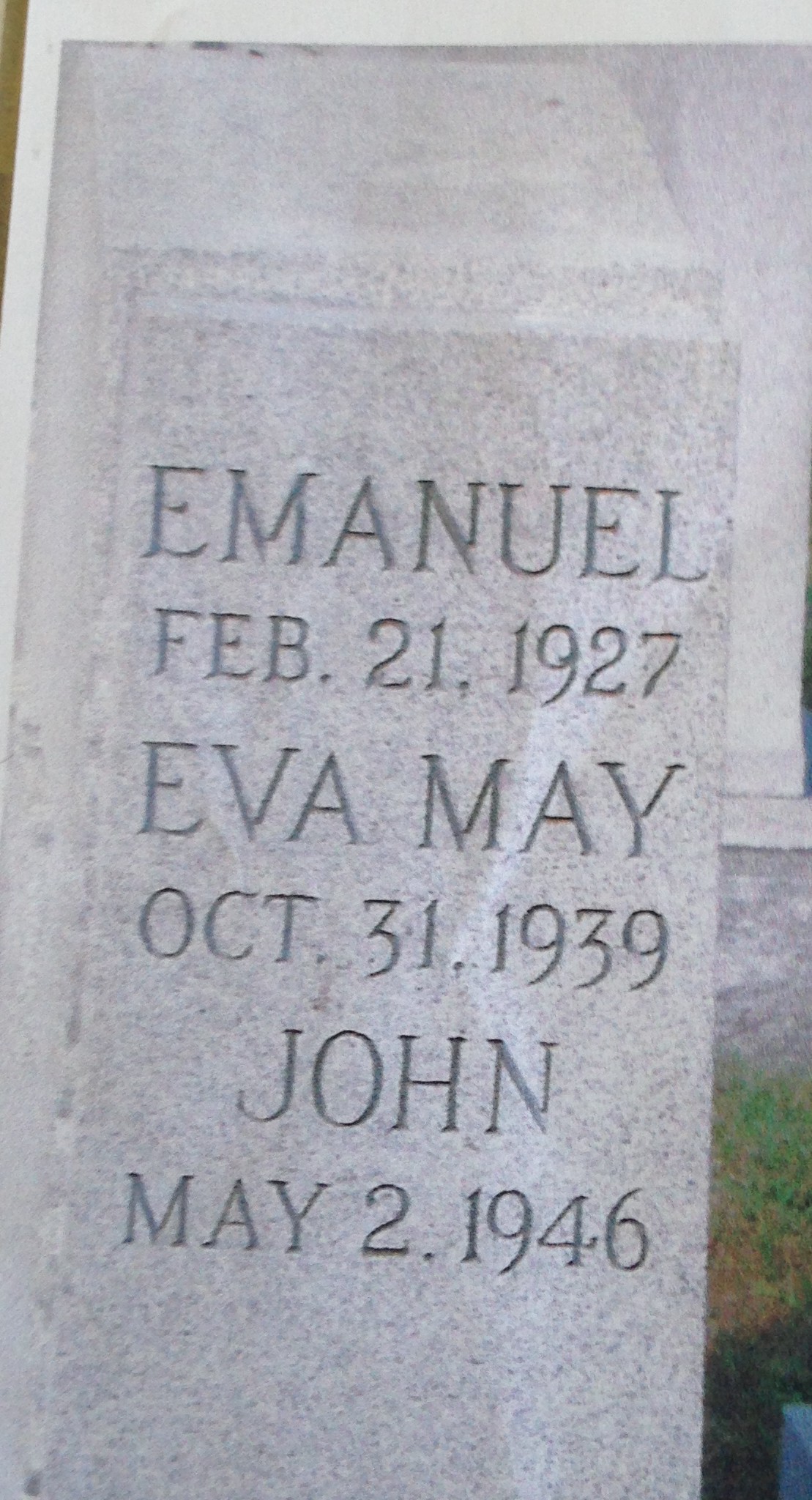
headstone for emanuel, eva and john n cohen

My great-grandfather Emanuel Cohen’s headstone, as well as that of my great-grandmother Eva Seligmann Cohen and their son, my grandfather, John.

Jacob Cohen headstone by Todd

Jacob Cohen, my great-great-grandfather

Bernard Seligman

Bernard Seligman, my great-great-grandfather

Courtesy of the Family of Fred and Ilse Michel

Moritz Seligmann, my 3x great-grandfather

Isadore Schoenthal, my great-grandfather

Isadore Schoenthal, my great-grandfather

Isadore Goldschlager

Isadore Goldschlager, my grandfather

Moritz Goldschlager

Moritz Goldschlager, my great-grandfather

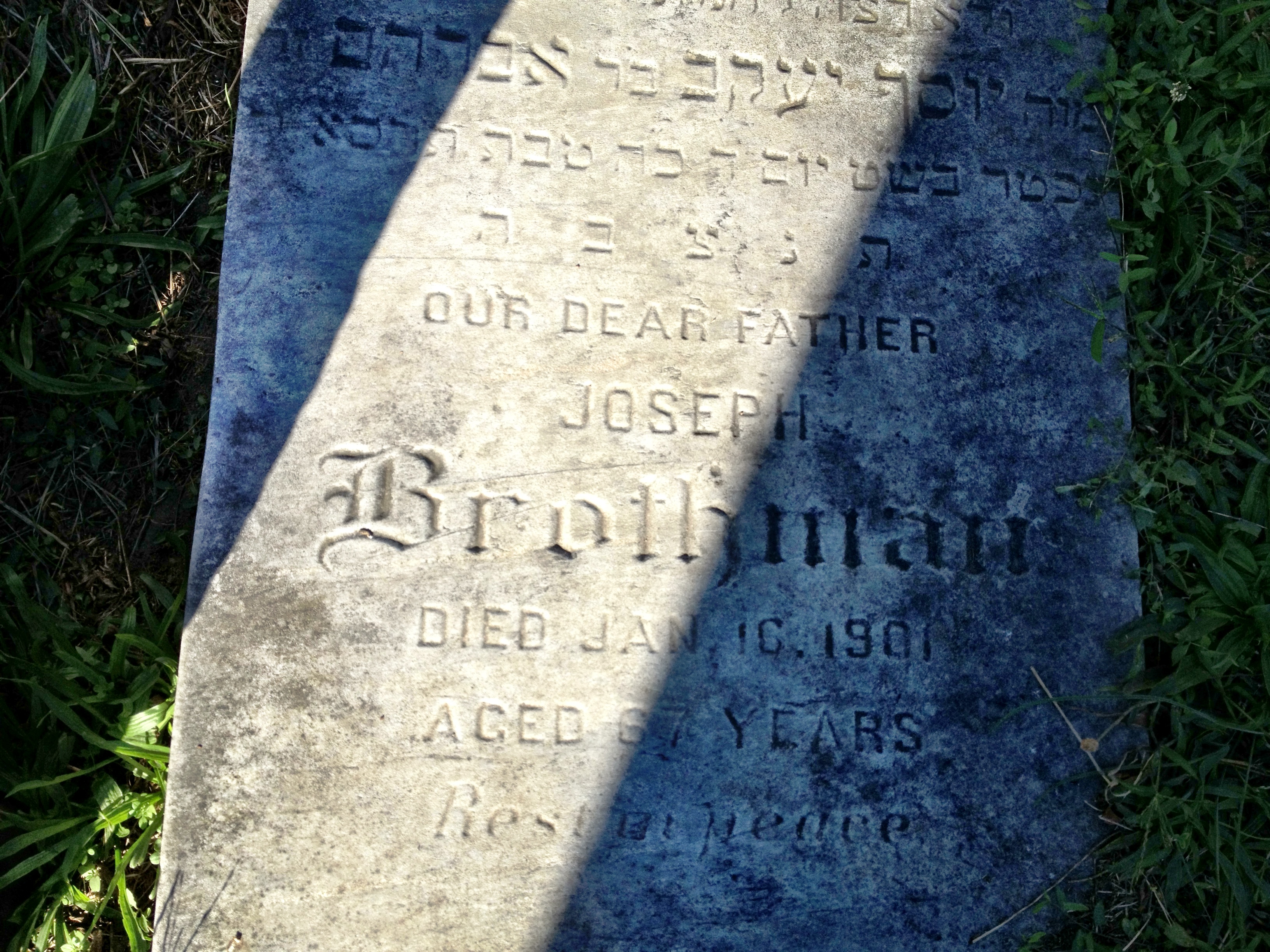
Joseph headstone ABC

Joseph Brotman, my great-grandfather


Home Sweet Home

We are back from our trip, and I have so much to say that I don’t even know where or how to start.  Traveling to a different place can change your whole view of the world, of your place in the world, and of yourself.  This trip did that in so many different ways.  I have hundreds of photographs to sort and label, a lot of notes to transcribe and ponder, and so many thoughts and memories floating through my head that I need to write them all down before I forget them.  So I can’t just start blogging in detail about the trip right away.  I will certainly report about the parts of the trip that related directly to my own family—the trip to Poland in particular—once I have it all digested.

For now I have these overall thoughts and a few photographs to share.  First, standing in the former Jewish quarters in Prague, Krakow, Budapest, and Vienna, some of which still have several synagogues (a few even still in operation), is a chilling and horrifying experience.  For me, these places that once bustled with Jewish grandparents, mothers, fathers, and children, going to work and going to school and going to shul, were a graphic and vivid reminder of what the world lost in the Holocaust.  Had it not been for the Nazis, these Jewish communities could and likely would still exist, adding to the culture and economy of these places and of the world just as they did for hundreds of years before their Jewish citizens were murdered.

A street in the former Jewish Quarter of Krakow

A street in the former Jewish Quarter of Krakow

Nothing made this more painfully vivid for me than standing in Tarnobrzeg, the town where my Brotman great-grandparents lived, a town that was once 75% Jewish and where not one Jew lives today.  The only signs that there were once Jews there were a small plaque on the library, a building that had once been the synagogue, and a Star of David near the gate to the neglected Jewish cemetery, where only a handful of headstones remain.

gravestone on the ground in the Jewish cemetery in Tarnobrzeg

gravestone on the ground in the Jewish cemetery in Tarnobrzeg

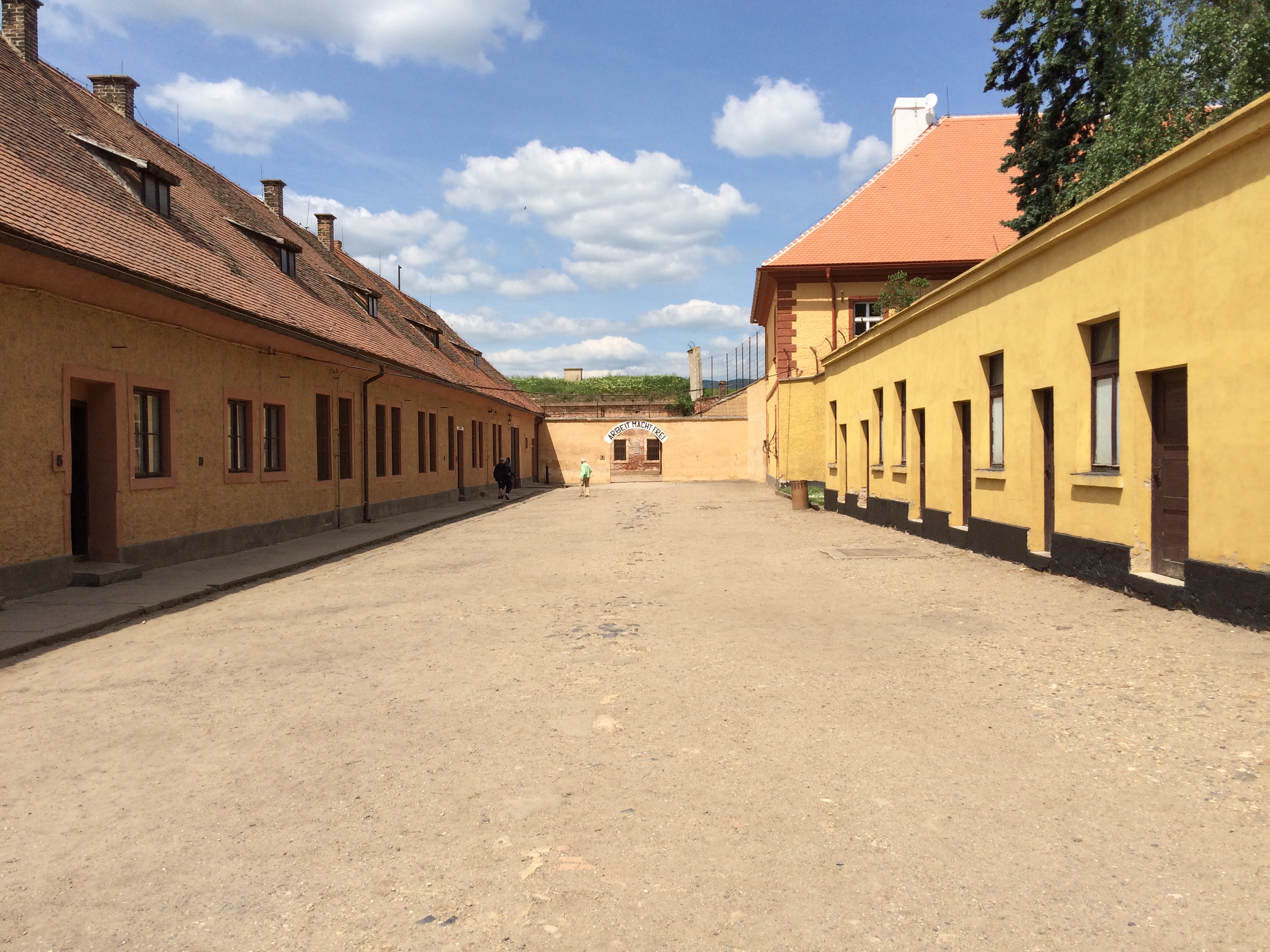
Second, every person, Jewish or not, should visit Terezin and Auschwitz.  I cannot say more.  The places say it all.  You cannot go to these places and not be changed.  No matter what you may have read or seen or heard about the Holocaust, you cannot be prepared for what you experience walking in those places of terror and death.  I have only two photographs of Terezin and no photographs of Auschwitz.  I could not bear to think about taking a photograph while standing where so many were slaughtered.

Terezin

Terezin

Third, I had little idea what life was like under Soviet domination in the Czech Republic, Poland, and Hungary until we met several people who had lived during that era.  We were lucky to have guides in Prague, Poland, and Budapest who had witnessed the changes and were able to describe to us how different life was before and after the Soviets left in the late 1980s, early 1990s.  Today all these places are clearly capitalist, for better in many ways, for worse in others.  Seeing Starbucks and McDonalds and KFC everywhere amidst the old buildings in these gorgeous cities is jolting, but much better than seeing empty store windows and children forced to march at rallies to support the “state.”

Despite all the sadness that we felt as we learned about the past in these places, overall we experienced these cities as places of joyfulness, liveliness, and overall comfort.  Yes, there were beggars and homeless people, especially in Budapest, and I am sure that outside the areas where tourists congregate there is plenty of poverty and misery.  But each of the cities we visited were beautiful places filled with incredible and fascinating architecture, a huge number of cafes and restaurants and bars, museums teeming with people, cobblestone streets crowded with tourists and tour groups, and the sounds of happy, excited people.  There was music everywhere—in the streets, in the churches, and in the concert halls.

Dohany Synagogue in Budapest

Dohany Synagogue in Budapest

We had an incredible time.  Our tears and sadness were well-balanced with times of pure joy—climbing the tower to see all of Prague, clapping to Klezmer music in Krakow, walking along the river in Budapest, and eating unbelievable pastries in Vienna.  We heard music in every city, we stood in awe in Gothic cathedrals, we watched people laughing and drinking and eating in the cafes, and we walked and walked and walked until our feet were numb.  We had an incredible time.

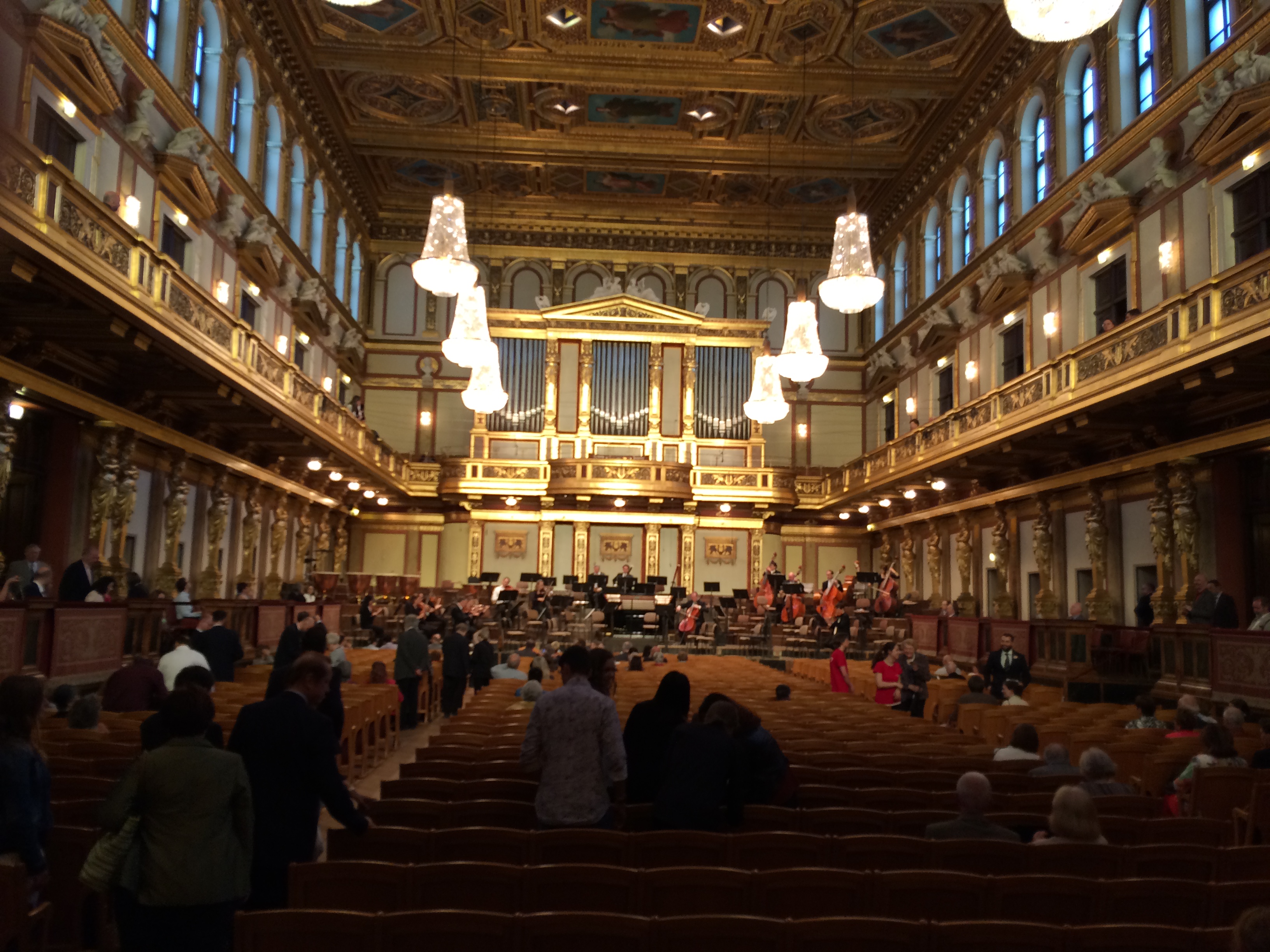
Musikverein in Vienna

Musikverein in Vienna


Some Perspective on my Nusbaum and Dreyfuss Ancestors

Right now I am pretty absorbed in following up on the Seligmann trail in Germany and the US and in preparing for my trip, both in terms of travel details and in terms of trying to find as much information as I can about the Brotmans.  I’ve been spending time going back over the Brotmanville Brotmans, hoping to find some clues I missed before the DNA results corroborated the family story that Joseph and Moses Brotman were brothers.

But before too much time goes by, I want to reflect a bit on my Dreyfuss and Nusbaum ancestors.  In many ways they typify the German Jewish immigrants who arrived in America in the 1840s and 1850s.  They started as peddlers, they eventually became the owners of small dry goods stores in small towns, and for many of them, they remained dry goods or clothing merchants.  Unlike my Cohen relatives, who were pawnbrokers for the most part, or my Seligman relatives, who started as merchants, but became active in politics and civic and military matters in Santa Fe and elsewhere, my Dreyfuss and Nusbaum ancestors began and stayed Pennsylvania merchants, even into the 20th century.

Harrisburg Market Square with Leo Nusbaum store

Harrisburg Market Square with Leo Nusbaum store

In addition, the Dreyfuss and Nusbaum families almost all stayed in Pennsylvania where they started.  There were some who went to Peoria, though most returned to Pennsylvania, and a few who went to Baltimore, but overall the Dreyfuss and Nusbaum families started in small towns in Pennsylvania and in Harrisburg and eventually moved to Philadelphia.  As far as I’ve been able to find them, many if not most of their descendants also stayed in the Philadelphia area.

But beneath what might appear to be a very consistent and predictable pattern of living was a lot of turmoil.  These were families who endured terrible tragedies—many children who died young from disease or from accidents, and many children who lost a parent at a very young age.  Tuberculosis ravaged the family, as did heart disease and kidney disease.  One member of the family died in the Great Fire of San Francisco.  There were also a tragic number of family members who took their own lives.

In addition, this was a family that went from poverty to comfort and then suffered financially when the 1870 Depression struck, causing many of the stores to close and forcing family members into bankruptcy.  Yet the family in general rebounded, started over, and once again became merchants with successful businesses in most cases.

The other pattern I’ve noticed in the Nusbaum and Dreyfuss lines is assimilation.  Although there were certainly examples of intermarriage and conversion among the Cohen and certainly the New Mexican Seligman lines, that tendency to assimilate and move away from Judaism seemed even more widespread among the Dreyfuss and Nusbaum descendants.  There were fewer people buried at places like Mt Sinai in Philadelphia, fewer indications of synagogue membership or other participation in the Jewish community.  Perhaps those early years in the small towns where they were likely the only Jews in town took a toll on the role that Judaism would play in their lives and their identities.

Overall, these two lines were very hard to research and write about.  Not because they were hard to locate, although the Fanny Wiler mystery kept me going for quite a long time.  But because there was just so much unhappiness, so much suffering.  When I think back to their roots, coming from two small towns in Germany, Schopfloch and Hechingen, I wonder whether those early immigrants ever questioned their decision to leave Germany.  I assume they left for economic opportunities and freedom from the discrimination they faced as Jews in Germany.  Presumably they believed they had found both when they arrived and as they settled into life in Pennsylvania.  And in many ways they had.  They were free to worship, or not worship, as they saw fit.  They were able to make a living, own property, even own businesses.  They survived.

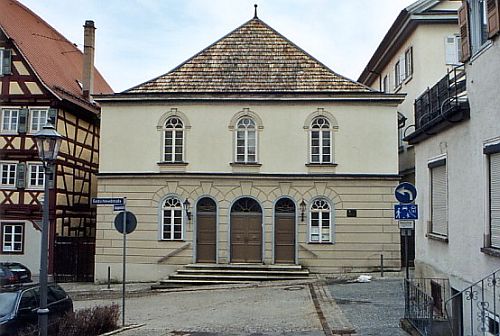
Schopfloch

Schopfloch

But all the tragedy and loss they endured had to wear on them in many ways.  Many of the family lines ended without any descendants.  I have had more trouble finding current descendants than I’ve had with the other lines I’ve researched.  I don’t have one relative with the name Nusbaum, aside from my father, whose middle name is Nusbaum.   The family seems to have disappeared, blended into other names, other families, other traditions.

For that reason, as hard as it was, I am happy that I was able to document and tell their story: where it began in Germany, how it continued in Pennsylvania, and what happened between their arrival in the 1840s and in the century that followed.

Yom Hashoah


http://www.gettyimages.com/detail/121859610

In honor of Yom Hashoah, Holocaust Memorial Day, I am posting the links to six of my blog posts in which I discussed the members of my own family who perished in the Holocaust. Six to represent the six million Jews who were slaughtered by the Nazis during World War II.

These are all members of the Seligmann/Schoenfeld family.  I did not even know about them a year ago. And I know that there must have been members of my other family lines who were also murdered during the war.  I just haven’t found them yet.  So in memory of all those who were killed, those we know about and all those we do not yet know about, please read these posts if you have not done so already.  Or even if you have.  We must never forget.

One

Two

Three

Four

Five

Six


English: A lit Yahrtzeit candle, a candle that...

English: A lit Yahrtzeit candle, a candle that is lit on the Hebrew anniversary of a loved one’s death. (Photo credit: Wikipedia)

Passover 2015: The American Jewish Story

Handmade shmura matzo used at the Passover Sed...

Handmade shmura matzo used at the Passover Seder especially for the mitzvot of eating matzo and afikoman. (Photo credit: Wikipedia)

A year ago I was feeling disconnected from Passover until I heard my grandson tell us the story of Passover in a way that made it feel new and exciting and different all over again.  This year his little brother will experience his first seder, though at only ten months, that experience will likely be short and quite unfocused.  Just a lot of really noisy people sitting around a table eating food that he neither can nor would want to eat.  But it’s a new reminder that every generation and every child experiences Passover as a new experience, allowing all of us who are jaded and detached to be able to relive our own early experiences with this special holiday.

Last year I entered into Passover thinking about my mother’s ancestors, the Brotmans, the Goldschlagers, and the Rosenzweigs.  I focused on their exodus from the oppression and poverty and anti-Semitism of Galicia and Romania and their courage and the desire for freedom that led them to leave all they knew to cross the continent and then the ocean and come to New York City, where they again lived in poverty but with greater hopes for a life of freedom and economic opportunity.  And they attained their goals if not in that first generation, certainly by the third and fourth generations.

Poor Jews taking home free matzohs, New York

Poor Jews taking home free matzohs, New York (Photo credit: Wikipedia)

For the last year now, I have been researching, studying and writing about my father’s paternal relatives.  It has taken just about a full year to cover the Cohens, the Jacobs (with whom I actually need to do more work), the Seligmans, the Schoenfelds, the Nusbaums, and the Dreyfusses.  Soon I will start my father’s maternal relatives—the Schoenthals and Katzensteins and whatever other surnames pop up along the way.  Researching my father’s families has been so different from my mother’s, and I can go so much further back.  I can’t get back much before 1840 with my mother’s family and have absolutely no records before 1885 or so for any of them.  Although I have a number of Romanian records for my Rosenzweig and Goldschlager relatives, I have no records at all from Europe for my great-grandparents Joseph and Bessie Brotman, despite hours and hours of searching and even DNA testing.

In contrast, my father’s ancestors have provided me with a rich opportunity to learn about Jews in Amsterdam, London, and especially the towns of Gau-Algesheim, Erbes-Budesheim, Bingen, and Schopfloch, Germany.  I have been able to find records all the way back to 1800 or so for almost every line.  I’ve had amazing help along the way on both sides of the Atlantic, and I’ve even learned a little German to boot.  My father’s families were pawnbrokers and peddlers and clothing merchants; they were pioneers and politicians and war heroes.


http://www.gettyimages.com/detail/182866324
Harrisburg Market Square with Leo Nusbaum store

Harrisburg Market Square with Leo Nusbaum store

They came to the United States in the 1840s and 1850s, and most of them suffered terrible heartbreaks, economic struggles, and early deaths.  Most of them settled in Philadelphia and other parts of Pennsylvania and New Jersey, but there were those who went to places that I’d never think a Jewish immigrant would go: Iowa, Texas, Illinois, Michigan, California, and, of course, New Mexico.  Many married outside the Jewish community and assimilated into American culture far more so than my mother’s relatives.  Ultimately, the Cohens/Jacobs and Seligmans/Schoenfelds and Nusbaums/Dreyfusses were successful; they found the American dream, and they embraced it.

But there is a very sad underside to this story of American success.  It’s the story of those who did not leave Europe.  For the first time in my life I confronted the reality that the Holocaust did not just happen to other families, to other Jews.  Not that I have not been deeply affected by the Holocaust all my life; ever since I read Anne Frank’s diary as a child, I’ve identified with and cried for all those who were murdered by the Nazis.  But I never knew that I had relatives left behind in Germany who were part of that slaughter.  I am still finding more, and I will write about them soon.  The list of names of my cousins who died in the Holocaust grows longer and longer, and I realize more than ever how grateful I should be to Bernard Seligman, John and Jeanette (Dreyfuss) Nusbaum, and Jacob and Sarah (Jacobs) Cohen for leaving Europe and taking a chance on the new country across the ocean.

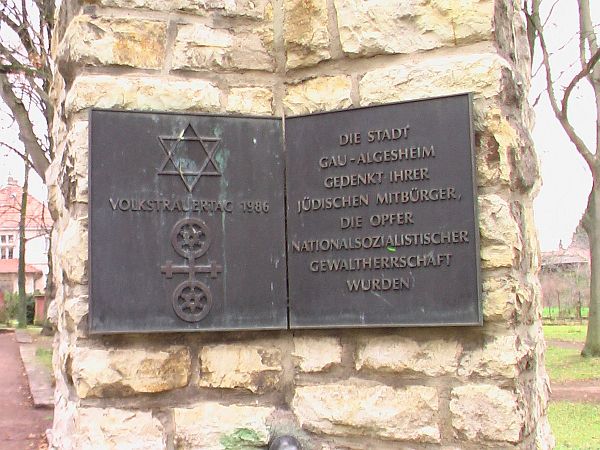
memorial plaque gau aldesheim

So this year for Passover I will be thinking about that first major migration of Jews from Europe to America.  I will be feeling thankful for the risks my ancestors took, and I will be feeling the loss of not only all those who were killed in the Holocaust, but the loss of all the children and grandchildren who would have been born but for those deaths.

And overall I will be celebrating family, freedom, and faith—faith that the world can be a better place and that human beings can be their best selves and live good and meaningful lives.  May all of you have a wonderful weekend—be it Passover or Easter or perhaps just another weekend in April for you.   Celebrate all the good things in life in whatever way you can.


Embed from Getty Images

Does Anybody Really Care about a Fifth Cousin?  Are Collateral Lines Relevant?

y Sg647112c (Own work) [CC BY-SA 3.0 (http://creativecommons.org/licenses/by-sa/3.0)], via Wikimedia Commons

y Sg647112c (Own work) [CC BY-SA 3.0 (http://creativecommons.org/licenses/by-sa/3.0)%5D, via Wikimedia Commons

I have been spending many hours recently researching the children, grandchildren and other descendants of the siblings of my three-times great-grandparents.  Sometimes I find myself thinking, “Why am I researching these people?  They are my third cousins twice removed or my fifth cousins or my second cousins four times removed…or whatever.”  Although I’ve had moments of wondering this before, it’s been especially true for the Nusbaum clan, who for the most part flew under the radar and did not have lots of juicy or interesting stories to tell—they were mostly law abiding merchants; they lived their lives quietly and out of the public eye.  They were not politicians or inventors or criminals or performers.  They did not change history.  Sometimes when I learn that a particular relative had no children, I am relieved.  One more line has been completed.

So why do this?  Does anybody really care about such distant relatives? Do I even care? Is it just my general compulsive need for a sense of completion? For being thorough? Or is there something pushing me forward, person by person, line by line?

Some of it is definitely my neurotic need to finish things.  Until recently I would finish any book I started even if I hated it.  Then finally I realized, “Hey, I hate this book.  I do not need to finish it.”  It was tough, but I started realizing no one was grading me if I put the book away.  And it is not just books.  When we moved into our new home five years ago, I stayed up past 3 am just to put away every last dish, fork, pot, and coffee mug in the kitchen.  Craziness.

But I do think that something else impels me to keep researching and writing about all these distant cousins.  First, it gives me the big picture about the lives of my ancestors.  I start to see trends and patterns.  For example, I would not have seen how important the liquor trade became in the family and the country if I had not followed all those Simon and Nusbaum relatives who started selling liquor in the 1870s.  I would not have understood how important the peddler trade was to early German Jewish immigrants if I did not study all the Nusbaum siblings. I would not have sensed the broad impact of the 1870s depression by studying just my direct ancestors.   And as I move into the 20th century, I would perhaps not have seen how suddenly education became a much bigger factor in the lives of these families as both sons and daughters started getting a college education.

So in order to appreciate the larger society in which our ancestors lived, it is important to research not just your direct line but those collateral to it.  But there is more there.  Because I could do all that research and not blog about these people.  I am no fool; I know that it doesn’t make for sexy reading to follow the life of someone who was born, grew up, sold hats, got married, had children, and died.  So why even bother posting on the blog about that ordinary person? Partly because we all live ordinary lives.  Most people are never in the paper for anything “interesting.” Most of us are not politicians or entertainers or criminals.  Most of us are born, grow up, go to work, have families, and die.  Don’t we matter? Won’t our grandchildren want to be able to tell their grandchildren something about their ancestors?  I hope so.

By Citynoise (Own work) [CC BY-SA 4.0 (http://creativecommons.org/licenses/by-sa/4.0)], via Wikimedia Commons

By Citynoise (Own work) [CC BY-SA 4.0 (http://creativecommons.org/licenses/by-sa/4.0)%5D, via Wikimedia Commons

And then there is this other thing.  It hasn’t happened a lot, but it’s happened to me enough that I know it can happen.  Someone googles their great-grandfather’s name, say Simon Nusbaum, for example.  They land on my blog, and they learn something about their great-grandfather that they never knew—for example, that he was Jewish or that he was the son of a once successful merchant in Philadelphia. And they leave a comment on the blog, and I now have a new cousin with whom I share a family history and some smidgeon of DNA.

Isn’t that worth it?  Right now I am searching for the living descendants of my three-times great-grandparents and their many siblings, and I have found a number of them.  They are mostly my fifth cousins with a few fourth cousins mixed in.  Some I have already emailed, others I will today.  I have not heard back from those I emailed, as is often the case.  Maybe they think I am a crazy person.  Maybe they have no interest today.  But maybe in a month or a year they will wonder about their ancestors and find my blog or find me.

And even if just one of them responds to me, it is worth it.  Maybe they will have a picture of John Nusbaum and Jeanette Dreyfuss or one of their children.  Even if they don’t, I will have helped them learn about their family’s history, and that will make all of this worthwhile.


2014 in review: Thanks and Happy New Year!

As 2014 draws to a close, I look back with gratitude for all the wonderful things I have experienced this year.

First and foremost, on June 5, 2014, my grandson Remy Brandon Fischer was born.  He is now almost seven months old, sitting up, playing with toys, and enchanting all of us with his calm nature and sweet disposition.  Remy and Nate continue to be constant sources of joy in my life.

nate and remy blocks

My family has grown in other ways as well.  Not only have there been new babies across my family lines, I have found more and more new cousins.  This was a year when in April, we had an amazing reunion of the Brotman cousins in New York City.  I got to meet several of my second cousins for the first time as well as their significant others and some of their children.  It was definitely a major highlight of 2014 for me.  I am hoping we can do it again soon, and I am also beginning to think about a reunion for the Rosenzweig/Goldschlager cousins also.

Ten of Joseph and Bessie's great-grandchildren on the Lower East Side

Ten of the great-grandchildren of Joseph and Bessie Brotman having lunch on the Lower East Side

On the Rosenzweig/Goldschlager side, I had a great time having lunch with my cousin Linda and her husband Harvey in Boston.

I have also been blessed with many other new cousins whom I have yet to meet in person, but with whom I have skyped, talked on the phone, or emailed.  My cousin Pete has been a wonderful friend and colleague as we shared the adventures of learning about our Seligman ancestors.  Gracias, mi primo, for it all. Talking to my cousin Marjorie was a special treat, as was skyping with my cousin Richard in Australia, talking to my cousin Jean in Georgia, my cousin Barry in Florida, my cousin Lois and her brother Paul, my Selinger cousins,my Kohl cousins, my Cole cousins, my Bacharach cousins, and my Cohen cousins!  Thanks also to Lou for the wonderful photos of my Cohen relatives. All of these conversations and email exchanges have made this year meaningful and interesting.

In addition, I have been blessed by the help and friendship of so many genealogy researchers this year.  I cannot list them all, but special thanks to my fellow bloggers Wendy, Su, Leslie (Pancho), Luanne, Alex, Stephen, Jana, Mary Anne, Charles, and all the other bloggers who have read and commented on the blog and also provided me with useful tips and research insights.  And thanks to all those who have helped through JewishGen or ancestry or Facebook like Dorothee, Beate, Walter, Ralph, Ned, Renee, Matthias, and many, many others who have helped me in my search.  I apologize for any names I haven’t mentioned, but the list is so long that my aging brain cells cannot retain all the names.

Thanks to all my followers and readers, whether you comment or not, whether you read once a year or every post.  Although I like to think I am writing for posterity—for the future generations who cannot even read yet, it means a lot and makes doing this more fulfilling knowing that there are people out there who are reading what I write.  Special thanks to my brother Ira aka my medical consultant and to Laurel aka my consultant on matters of crime and mystery and to my cousin Jody, who found my aunt’s notes on the Brotman family trees and sent me all the old family photographs from her basement.

Family Tree drawn by Elaine Goldschlager Lehbraum

Family Tree drawn by Elaine Goldschlager Lehbraum

And extra special thanks to my parents, who read every post, answer every question, listen to every boring detail, and support everything I do as they always have.

My daughters may not read every post, or even most posts, but I continue to hope that someday in the future they will be interested in knowing more about their family history and will have this resource to turn to for answers.  My daughters are in my head and in my heart with every word I write, every document I find, and every photo I share.  This is ultimately for them whether they know it or not.


And finally, for Harvey.  Thank you for putting up with my obsession, for supporting it, for listening and hearing, for sharing in the journey, and for taking joy in knowing that this is something that gives me great joy and satisfaction.  As with everything in our lives, I could not do this without your love and support.

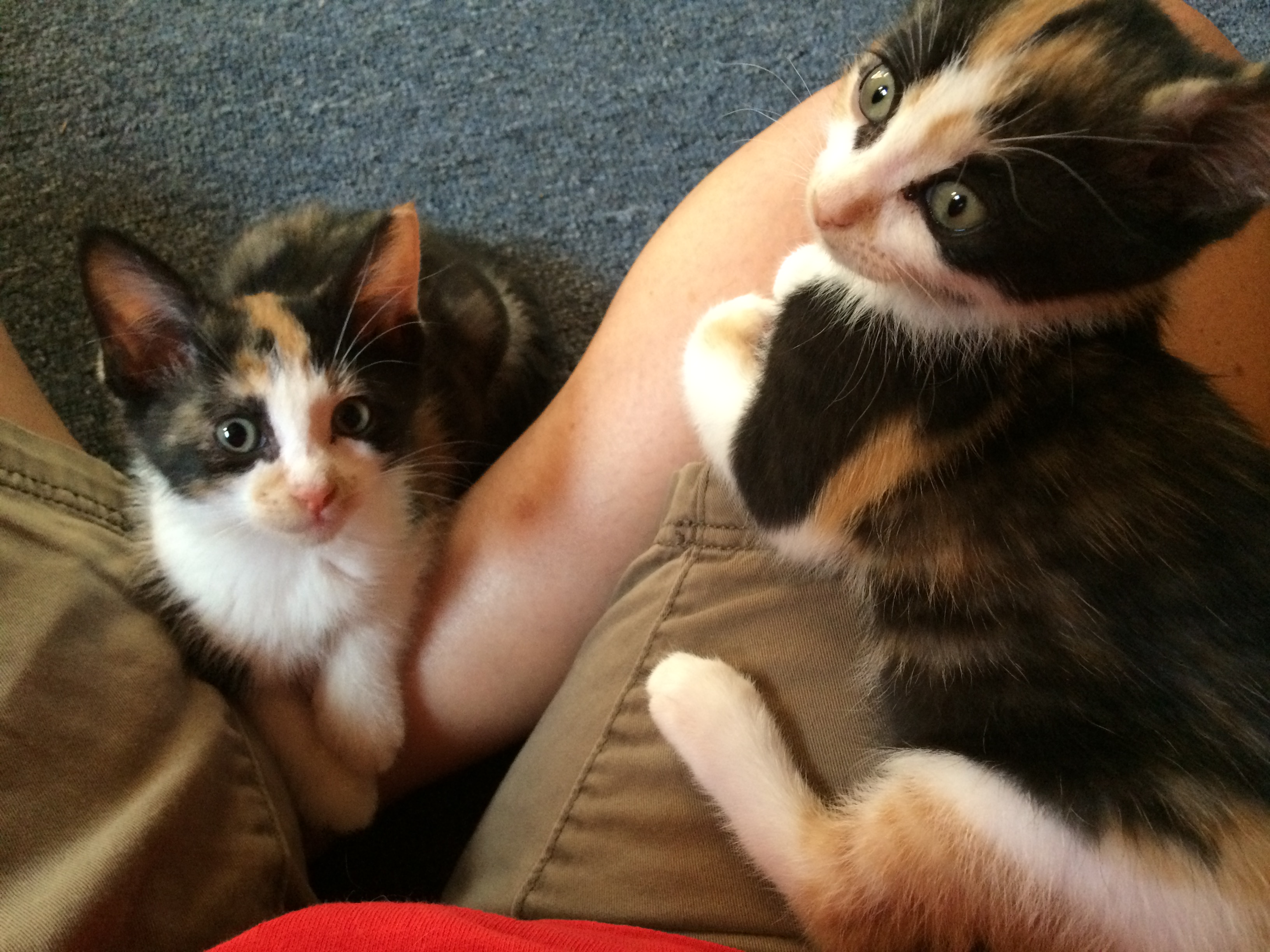
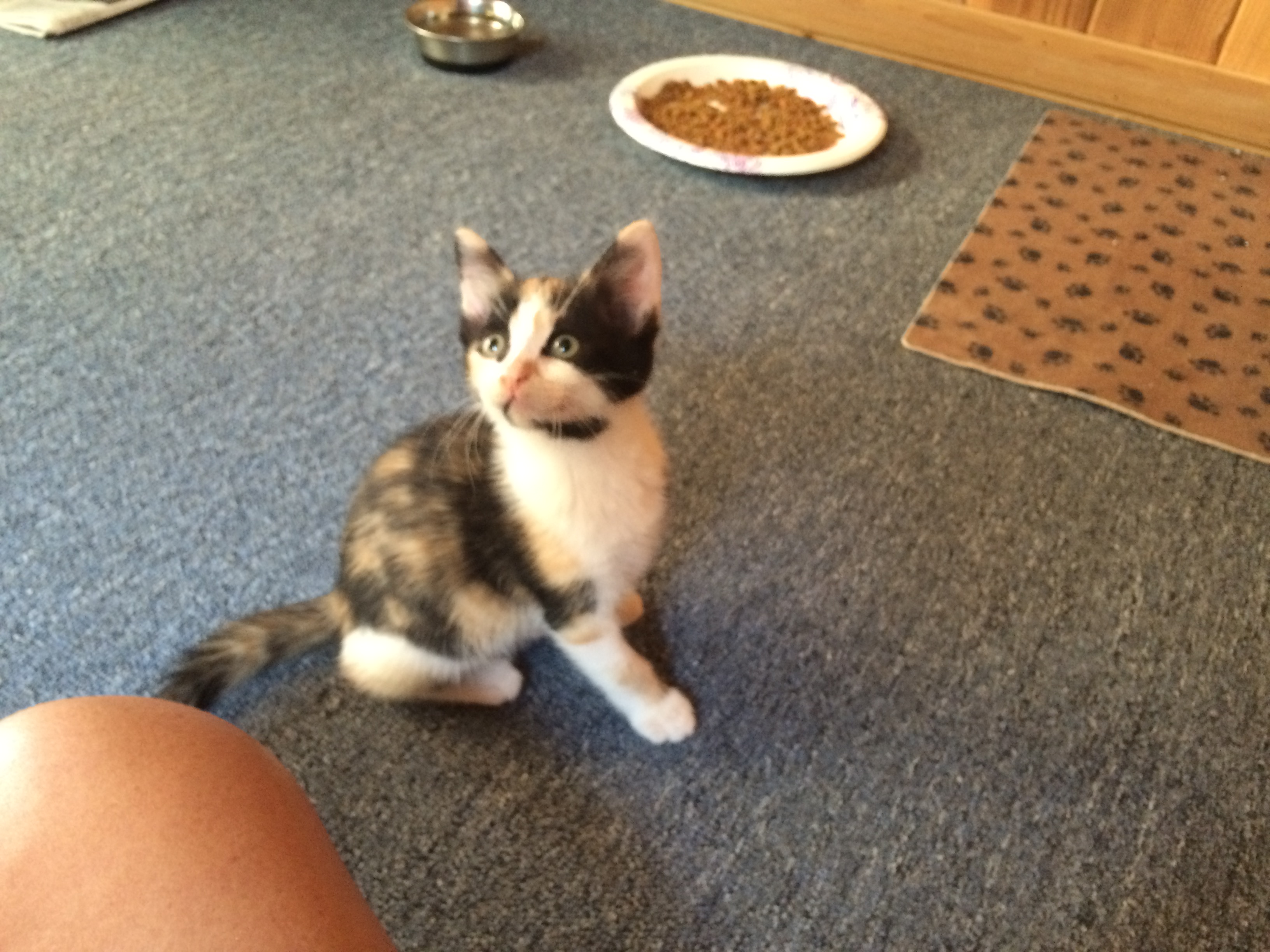
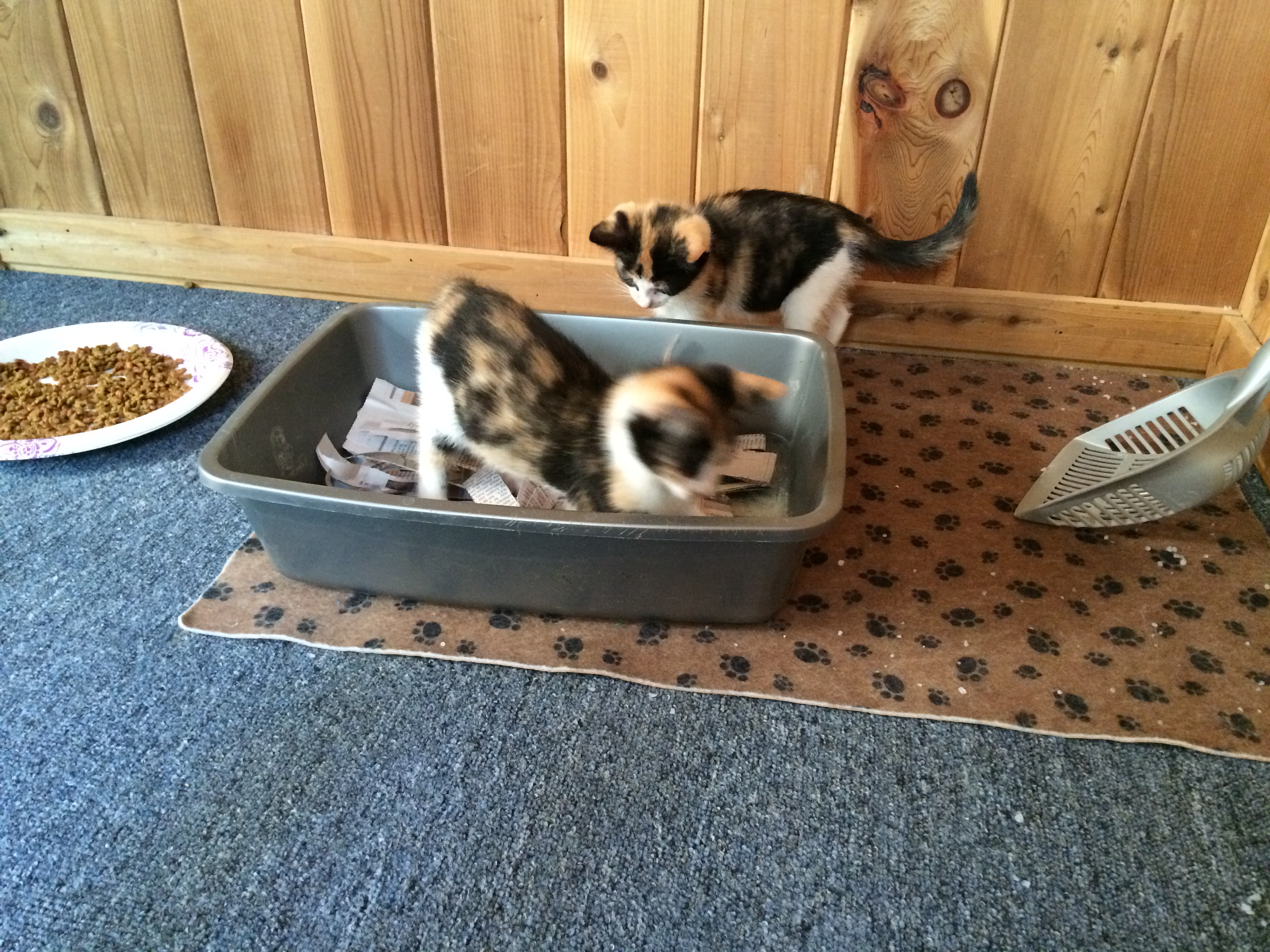
Luna

Luna

The year did, of course, have its sad moments.  For me, the loss of my beloved cat Luna still makes my heart ache, but those sad moments just make me that much more grateful for all the happy times that far outweigh the sad times.  In addition to my genealogy adventures, I got to go to the Florida Keys twice this year and spent a great summer on the Cape.  I retired from a job I loved with no regrets, and I am now able to spend my days choosing what to do and when to do it.  I’ve found some meaningful volunteer activities and more time, of course, to research and blog.  I’ve even started writing a novel, something I’ve always dreamed of doing.

So it’s been an amazing year in many ways, and I look forward to another productive and fascinating year ahead in 2015. Coming soon—a big breakthrough on my Brotman line! And more about the Nusbaums, and then on to my father’s maternal lines.

I close with this annual report prepared by the WordPress.com people.  Thank you one and all, and happy New Year! May this be a year of happiness, health, fulfillment, and love for you all.

Here’s an excerpt:

The concert hall at the Sydney Opera House holds 2,700 people. This blog was viewed about 22,000 times in 2014. If it were a concert at Sydney Opera House, it would take about 8 sold-out performances for that many people to see it.

Click here to see the complete report.

Lightness in the Dark

snowmen 2

It’s that time of year again.  It’s so cold out, and the roads can be slippery, sometimes with hard-to-see black ice.  I tend to stay safely inside, enjoying the warmth and comforts of my home.  But the dark and cold can be oppressive, and so I am glad that there are occasions to bring light and joy into our lives during this time of year.  It doesn’t help that my last three posts have been rather depressing, no pun intended.  Reading and writing about the travails of the Nusbaum clan in the 1870s has not been uplifting, to say the least, though it has been interesting.

So I am grateful that Hanukah is starting tonight and that we get to light candles and bring more light into our homes.   The candles kindle memories of my children lighting the menorah over the years, and now they enhance the images of my grandsons’ faces as we light the candles.  The songs, the dreidels, the latkes—all signify joyfulness to me on a personal level and also triumph over all kinds of darkness on a historical and universal level.


Embed from Getty Images


And I am grateful also for the Christmas lights.  Yes, the Christmas lights.  It may not be my holiday, but the lights and trees and wreaths and music are uplifting as well.  They also brighten these cold and dark days.  I may not have Santa Claus coming to my house, but I can still share the excitement that so many children (and their parents) feel about his upcoming visit down their chimneys.

English: Christmas lights Nederlands: Kerstver...

English: Christmas lights Nederlands: Kerstverlichting (Photo credit: Wikipedia)


I am also grateful that I will be getting a break from the ice and cold (though not the darkness) when we head out of town later this week.  The thought of a break from scarves, gloves, hats, and heavy coats is indeed enough to make me smile.

So the blog may be quiet for a bit as I enjoy a short escape from the New England winter.  I have one more post about the 1870s that I will finish before the end of the week, and perhaps I will have a few thoughts to post while away, but the research will have to wait.

Let me take this chance then to wish you all a wonderful holiday season—whether you celebrate Hanukah, Christmas, Kwanzaa, something else, or no holiday at all.  Enjoy any and all of the lights that diminish the darkness of these short winter days.  And may 2015 bring us all good health, happiness, and peace.  I still believe that peace is possible, despite all the darkness of all kinds that surrounds us all.


Empire State Building exhibiting decorative li...

Empire State Building exhibiting decorative lights for both Chanukah and Christmas. (Photo credit: Wikipedia)